
Featured CNC Precision Rubber Roller Systems
Deploying state-of-the-art automation ensures uniform rubber roller characteristics across critical processing stages.
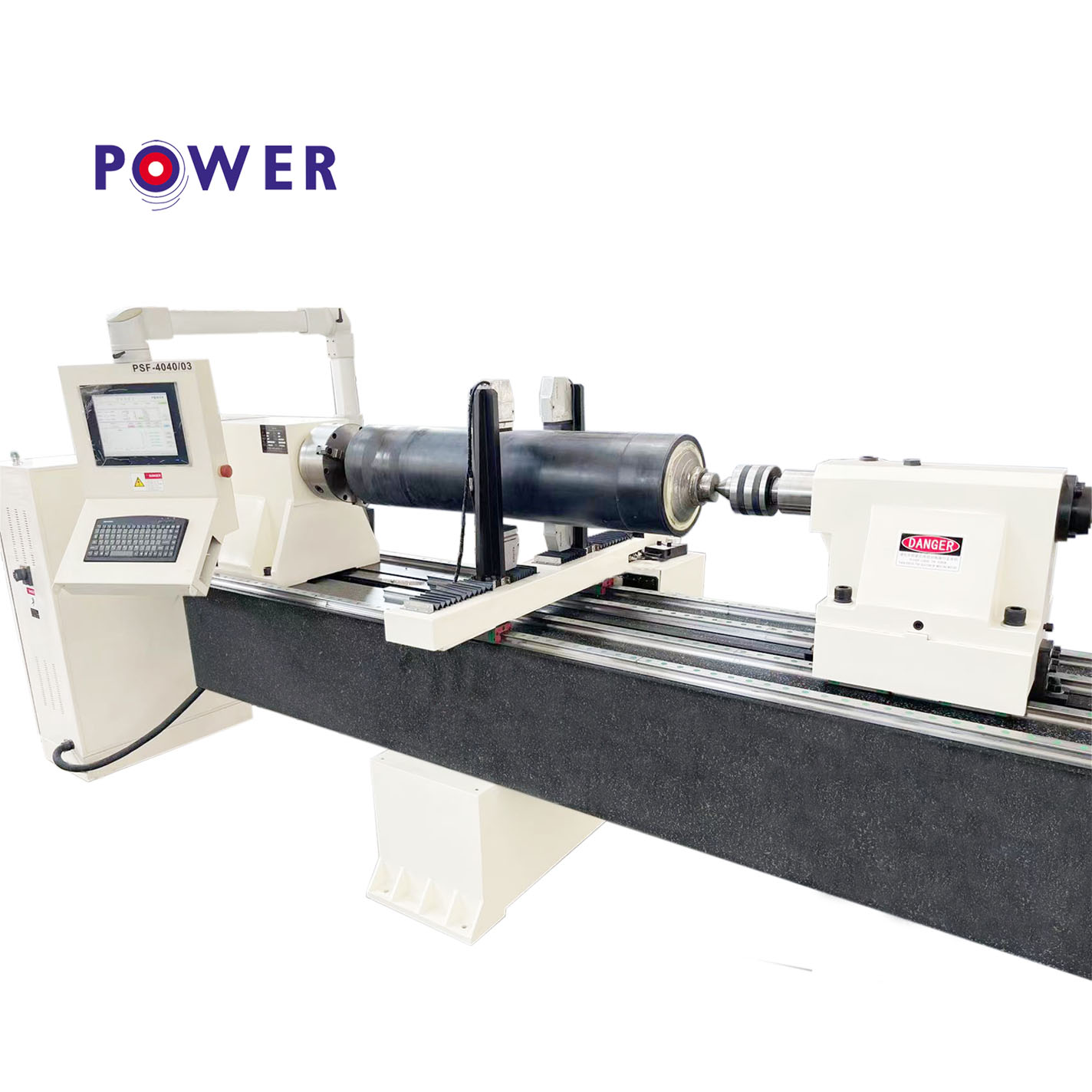
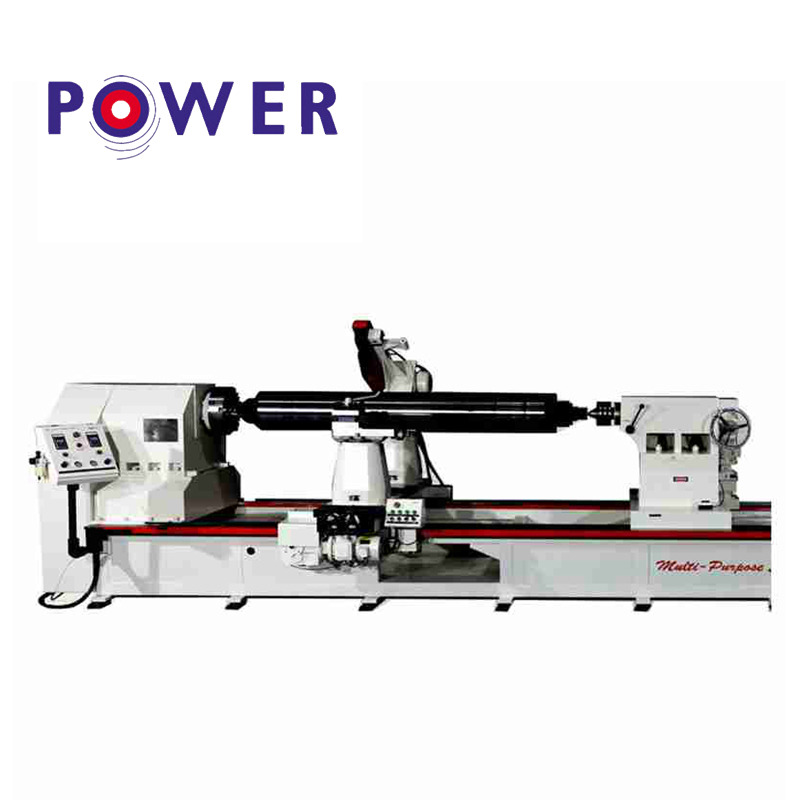
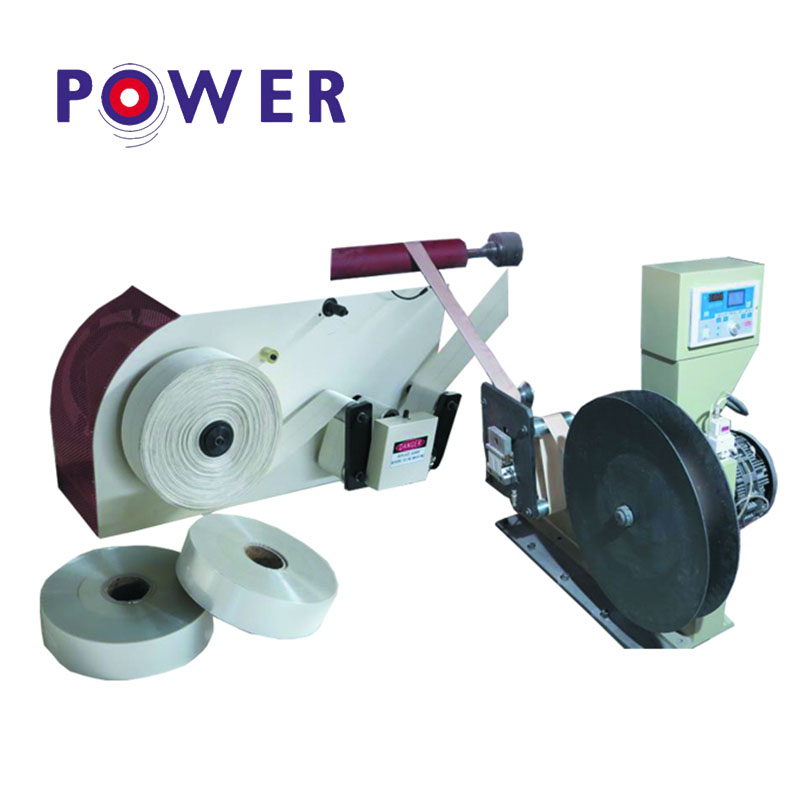
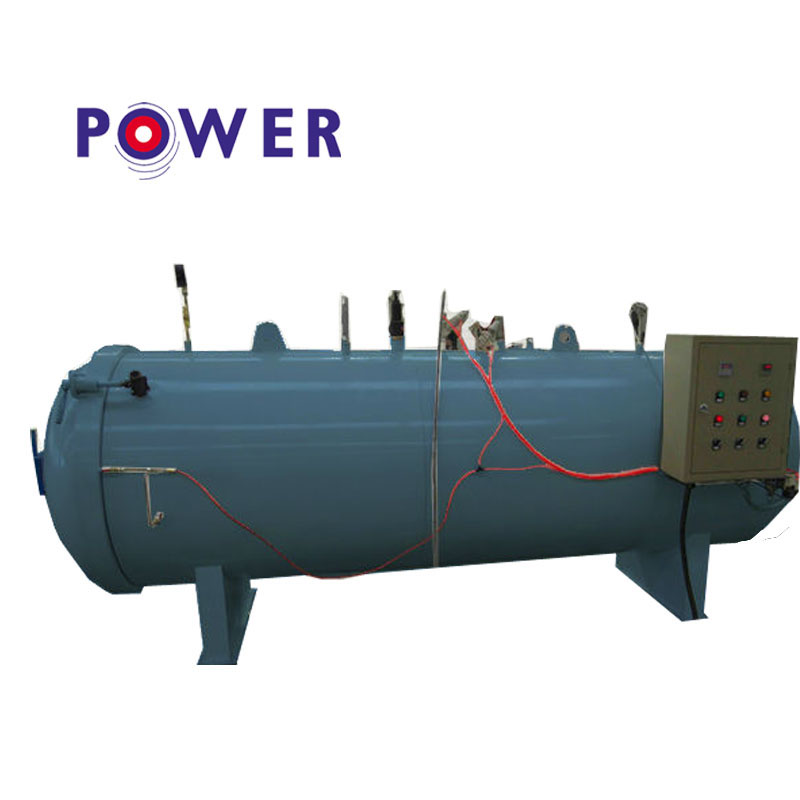
Industrial Status & Evolution of Textile Rubber Rollers in CNC Machining
The global textile sector is undergoing a profound technological shift. High-speed loom operations, advanced synthetic fiber processing, and complex digital fabric printing lines demand components that can survive harsh chemical environments, high dynamic loads, and continuous thermal fluctuations. Among these critical components, the **textile rubber roller** plays a pivotal role in guiding, squeezing, tensioning, and applying finishes to delicate materials. Historically, rubber roller manufacturing relied heavily on manual lathe turnings and standard abrasive tools. However, modern textile tolerances leave zero margin for error. A variance of a few microns in roller concentricity can lead to uneven tension distribution, fabric wrinkling, dye streaks, and costly production line shutdowns.
This is where **CNC precision machining** becomes indispensable. By utilizing CNC cylindrical grinders, automated grooving machinery, and integrated measuring instruments, manufacturers can produce rubber rollers with sub-micron accuracy. The commercial landscape shows a clear trend: textile machinery manufacturers (OEMs) and high-volume textile processing plants are phasing out legacy roll-grinding tools in favor of dedicated CNC grinding, covering, and stripping systems. CNC integration ensures that the rubber surface profile (whether cylindrical, crowned, or grooved) perfectly matches the mathematical models designed for optimal fabric contact. Consequently, investing in high-precision CNC rubber roller processing machinery has transitioned from a competitive advantage to an absolute industry standard.
Technological Demands for CNC Precision Machined Rollers
To survive the mechanical stress of modern textile machinery, rubber rollers must meet stringent engineering metrics during the CNC grinding process.


Deep Application Scenarios of CNC Machined Textile Rubber Rollers
High-precision rubber rollers are the backbone of diverse textile processing environments, each requiring distinct mechanical characteristics.
1. High-Speed Yarn Spinning & Drafting Systems
In ring spinning and roving machines, rubber cots and rollers are used to draft fiber bundles. The pressure applied must be completely uniform to avoid yarn thickness variations (neps and thin places). CNC precision-ground rollers prevent slippage and static buildup, ensuring that fibers are drawn smoothly under high speed.
2. Fabric Dyeing, Bleaching & Finishing
During wet processing, textile rollers are continuously exposed to acids, alkalis, and high temperatures. Squeezing rollers must maintain a perfectly linear nip pressure across their entire width to prevent uneven moisture extraction, which otherwise causes shade variation in dyed fabrics. CNC crowning processes counteract the natural bending deflection of the roller steel core.
3. Non-Woven Fabric Calendering & Bonding
Non-woven production lines process materials through heat and pressure. CNC machined porous drilling and micro-structured patterns on rubber surfaces allow precise thermal transfer and structural embossing, providing non-woven products with consistent density, strength, and tactile properties.
4. Digital Textile Printing & Web Guiding
The growth of digital printing demands high-speed, intermittent feeding without even a millimeter of drift. High-friction, CNC-ground rubber feed rollers ensure zero-slip web tracking, keeping the fabric aligned precisely beneath industrial inkjet printheads to maintain print pattern resolution.
High-Precision CNC Rubber Roller Processing Systems
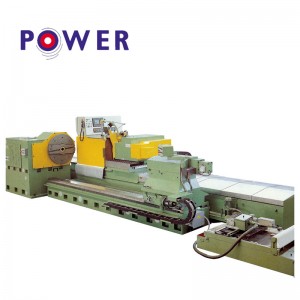
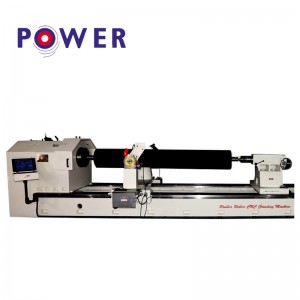
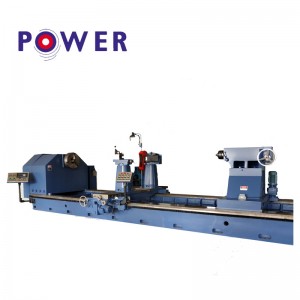
Our comprehensive portfolio of rubber roller machinery covers every stage of production, from stripping and covering to high-precision CNC grinding.





Company Profile
Jinan Power Roller Equipment Co., Ltd. is a pioneer in the development of modern rubber roller manufacturing machinery.
Jinan Power Roller Equipment Co., Ltd.
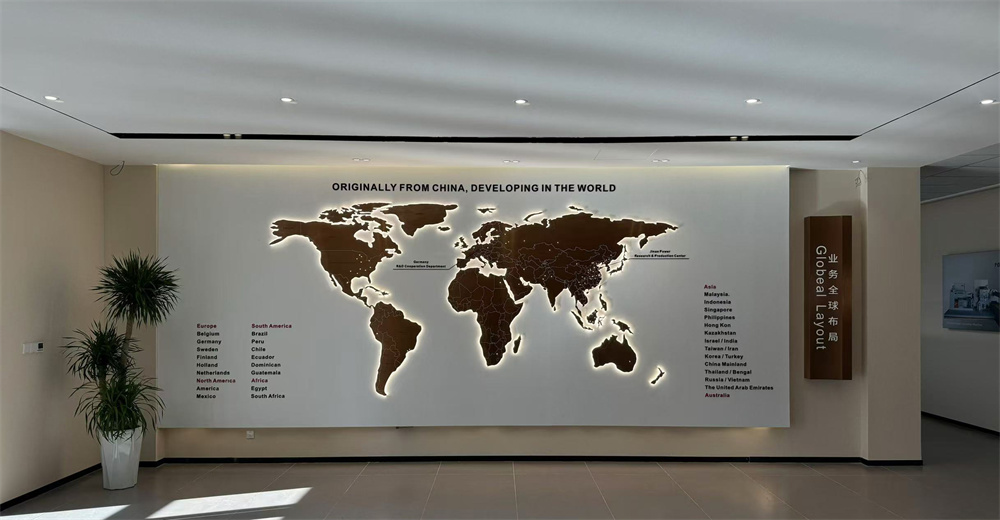
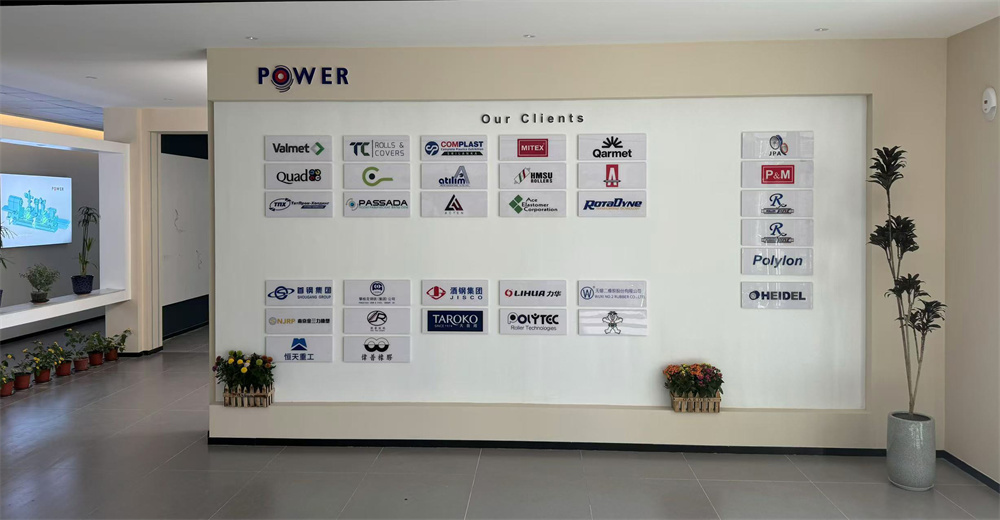
Jinan Power Roller Equipment Co., Ltd. is a professional manufacturer of modern rubber roller equipment integrating scientific research and production. Founded in 1998, the company is the main base for the production of special equipment of rubber rollers in China. Over the past 20 years, the company has not only devoted all its energy to the R&D and manufacturing of equipment, but also constantly researching more perfect production technology.
In recent years, our company are also making contribution to intelligent manufacturing in the rubber roller industry. The Industry 4.0 mode will be applied in our rubber roller production in the near future. Our new generation of rubber roller equipment provides a good platform for intelligent manufacturing. The interconnection between production managers and field operators, data sharing, recording and inspection can be achieved through the operation platform of the equipment, creating good conditions for various control in production.
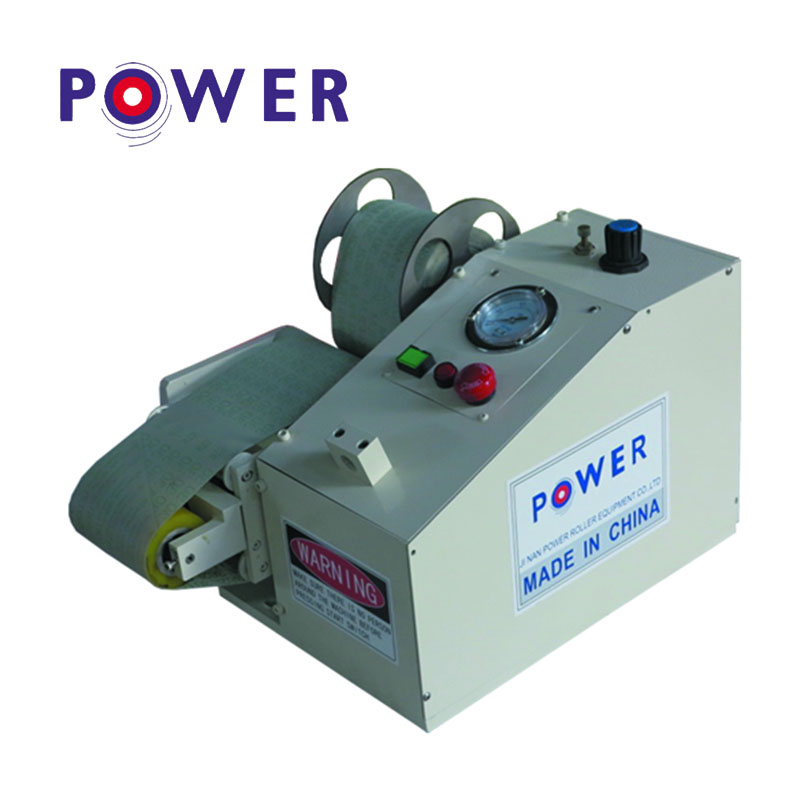
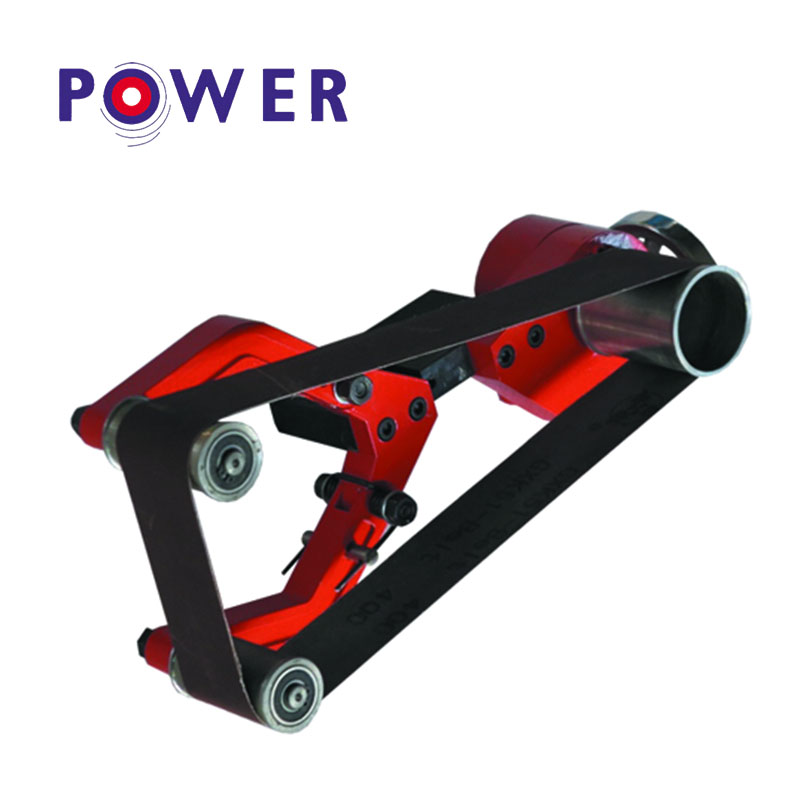
Our company is supplying rubber roller manufacturers with highly accurate, durable and productive equipment. Our main products including: Rubber Roller Stripping Machine, CNC Grinding/Grooving Machine, CNC Cylindrical Grinder, Rubber Roller Covering Machine, Rubber Roller Polishing Machine, Professional Measuring Instrument, Etc.
In 2000, our products passed the inspection by CCIB Quality Certification Center in accordance with ISO 9001 standards. By using our equipment, you will increase processing efficiency, and raise product quality. Also it can bring much economical benefit.

Future Trends: Industry 4.0 and Smart Rubber Roller Production
As the digital economy penetrates heavy industries, the concept of "Smart Factories" is reshaping rubber roller manufacturing. Future systems will go beyond mere automated grinding; they will feature cyber-physical integration where the roller itself communicates its status to the host machine. By embedding RFID chips or micro-sensors near the steel core, operators can monitor temperature, pressure distribution, and compound wear in real time. This data feeds directly into predictive maintenance software, scheduling a regrinding cycle on a CNC cylindrical grinder before any failure occurs.
At Jinan Power Roller Equipment Co., Ltd., we are actively developing CNC platforms that support cloud-based diagnostic sharing. Our machinery is designed to adapt automatically to variable rubber formulations, dynamically altering grinding feed rates and wheel speeds to prevent surface cracking or thermal degradation of elastomers. With smart software integration, customized shapes like parabolic crowns, sinusoidal groovings, and complex spiral profiles can be generated with a few clicks on the operator interface. This level of smart automation lowers operator skill requirements while raising product quality to unprecedented levels.
Explore Our Complete Equipment Portfolio
From initial stripping to micro-fine polishing, our machines guarantee optimal performance at every stage of the rubber roller lifecycle.
-

WeChat
WeChat

-

Watsapp
Watsapp

-

TEL
-

E-mail