
Featured Anti-Static Processing Equipment
Explore our specialized machinery designed to support the manufacturing, vulcanization, and finishing of anti-static rubber rollers used in high-safety material transfer applications.
Industrial Demands for Anti-Static Material Transfer
In modern industrial manufacturing, electrostatic discharge (ESD) represents a critical challenge. During high-speed material handling, converting, packaging, and electronic component transfer, friction between moving webs and roller surfaces generates significant static electricity. Without proper mitigation, electrostatic accumulation can cause catastrophic fires in volatile environments, damage sensitive microelectronic components, attract airborne contaminants, and cause material cling that disrupts continuous production lines.
"The integration of conductive and dissipative rubber rollers manufactured via specialized cold-feed extruders has become the global standard for managing electrostatic buildup in high-speed web handling systems."
The Critical Role of Rubber Roller Extruders
A dedicated rubber roller extruder is the cornerstone of producing high-quality anti-static rollers. The extrusion process involves applying specialized rubber compounds—infused with conductive additives like carbon black, carbon nanotubes (CNTs), or metallic fibers—directly onto a metal core. Achieving uniform electrical conductivity across the entire surface of the roller requires precise control over compound temperature, pressure, and flow rate during the extrusion process to prevent molecular degradation of the anti-static agents.
Unlike conventional extrusion, processing anti-static compounds demands strict thermal management. Excessive shear heat generated inside the extruder barrel can break down the conductive pathways within the rubber matrix, rendering the final roller ineffective at dissipating charge. Advanced CNC-controlled rubber roller extruders feature multi-zone temperature control and specialized screw profiles designed to process high-viscosity conductive compounds without compromising their electrical properties.
Deep-Dive Application Scenarios
Anti-static rubber rollers produced by state-of-the-art extrusion machinery are deployed across several high-tech industries, each requiring specific electrical and physical characteristics:
1. Semiconductor & Electronics Packaging
In cleanroom environments where microchips, printed circuit boards (PCBs), and sensitive sensors are manufactured and packaged, static charges as low as 100V can ruin components. Extruded anti-static rollers are utilized in conveyor systems to safely ground static charges, preventing electrostatic discharge from damaging delicate silicon wafers and electronic assemblies.
2. High-Speed Printing & Converting
Modern printing presses and converting lines run at speeds exceeding 1000 meters per minute. High-speed contact and separation of plastic films, paper, and foils generate massive static charges. Anti-static rollers dissipate this charge continuously, eliminating the risk of electrical shocks to operators and preventing sparks that could ignite solvent-based inks or coatings.
3. Hazardous Chemical & Powder Handling
In environments containing flammable vapors, gases, or combustible dusts (such as chemical processing plants or pharmaceutical facilities), static electricity is a severe ignition hazard. Conductive rubber rollers are crucial for transferring materials safely, maintaining electrical continuity to the ground and conforming to strict ATEX and OSHA safety regulations.
4. Lithium-Ion Battery Manufacturing
The production of lithium-ion battery electrodes involves coating active materials onto copper and aluminum foils. Any static discharge during the winding and calendering processes can create micro-defects in the coating or ignite organic electrolytes. Extruded anti-static rollers ensure smooth, charge-free web transport throughout the critical assembly stages.
Commercial Status & Industry 4.0 Trends
The global market for anti-static material transfer solutions is experiencing robust growth, driven by the rapid expansion of the electronics, packaging, and e-mobility sectors. Industrial manufacturers are no longer looking for standalone machinery; they demand integrated production platforms that align with Industry 4.0 principles.
Key Market Trends:
- Smart Extrusion Controls: Real-time monitoring of extrusion parameters, including screw speed, melt temperature, and pressure profiles, to ensure consistent compound density and distribution.
- Integration of IoT and Data Analytics: Cloud-connected platforms allow production managers to track extrusion efficiency, predict maintenance requirements, and ensure complete traceability of roller batches.
- Advanced Material Blends: Development of non-marking conductive compounds that provide excellent anti-static performance without leaving carbon residue on transferred materials.
- Eco-Friendly Manufacturing: Energy-efficient extrusion systems that minimize waste material through precise strip application and optimized heating cycles.
Company Profile
Jinan Power Roller Equipment Co., Ltd.
Jinan Power Roller Equipment Co., Ltd. is a professional manufacturer of modern rubber roller equipment integrating scientific research and production. Founded in 1998, the company is the main base for the production of special equipment of rubber rollers in China. Over the past 20 years, the company has not only devoted all its energy to the R&D and manufacturing of equipment, but also constantly researching more perfect production technology.
In recent years, our company are also making contribution to intelligent manufacturing in the rubber roller industry. The Industry 4.0 mode will be applied in our rubber roller production in the near future.
Our new generation of rubber roller equipment provides a good platform for intelligent manufacturing. The interconnection between production managers and field operators, data sharing, recording and inspection can be achieved through the operation platform of the equipment, creating good conditions for various control in production.


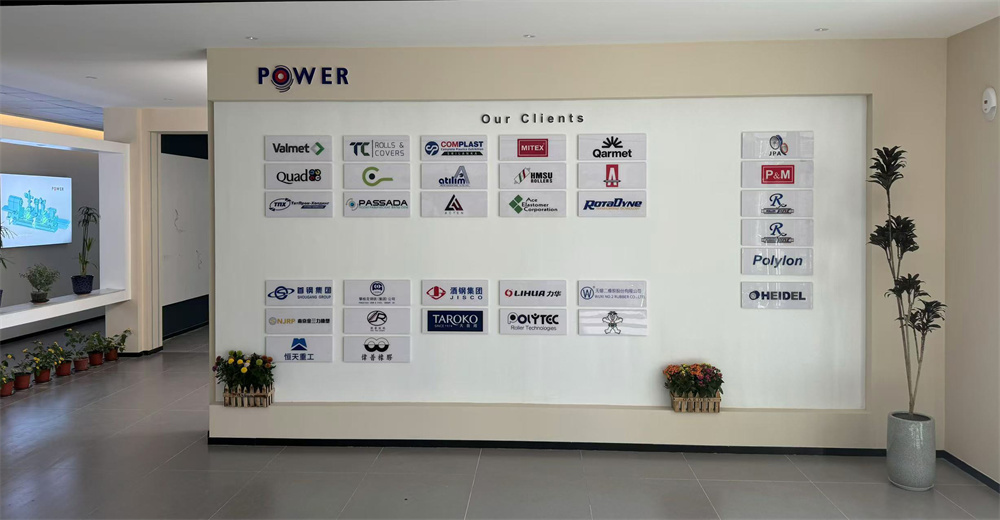
Customized Solution
Different industries, specifications, and production needs require different equipment to meet your technics, so customized solutions are crucial. Let's do it for you.


In 2000, our products passed the inspection by CCIB Quality Certification Center in accordance with ISO 9001 standards. By using our equipment, you will increase processing efficiency, and raise product quality. Also it can bring much economical benefit.
Our Comprehensive Rubber Roller Machinery
We supply rubber roller manufacturers worldwide with highly accurate, durable, and productive equipment. Discover our complete product catalog below:

Rubber Roller CNC High Precision Cylindrical Grinding Machine
Learn More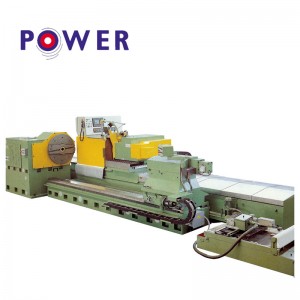
Rubber Roller CNC Large Cylindrical Grinding Machine
Learn More
Multi-functional Roll Grinder
Learn More
PDM-CNC Porous Drilling Machine
Learn More
Multifunctional PCM-CNC
Learn More
Rubber Roller Multi-purpose Stripping Machine
Learn More
Rubber Roller Covering Machine
Learn More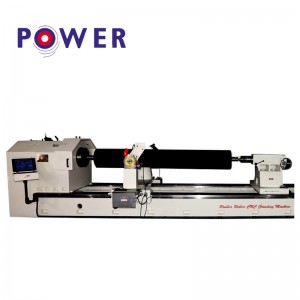
Rubber Roller CNC Grinding Machine
Learn More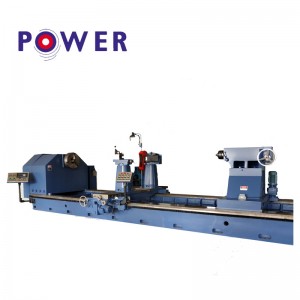
Rubber Roller General Grinding Machine
Learn More
Multi-functional Cylindrical Grinder
Learn More
Rubber Roller Polishing Machine
Learn More
Rubber Roller Measuring Machine
Learn MoreEngineering Excellence: Optimizing the Extrusion Process for Anti-Static Materials
Manufacturing rollers capable of consistent charge dissipation requires a complete understanding of polymer physics and extrusion dynamics. The primary objective is to maintain a homogenous dispersion of conductive agents throughout the elastomeric matrix without degrading the polymer chains. This section details the key engineering requirements for successful anti-static roller extrusion.
Optimizing Screw Design and Shear Control
Anti-static rubber compounds are highly sensitive to mechanical shear. The screw of the extruder must be designed to achieve complete homogenization of the compound at minimal shear rates. High shear forces generate localized heat, which can destroy the delicate conductive networks (percolation pathways) formed by carbon black or carbon nanotubes. If these pathways are broken, the electrical resistance of the rubber increases, causing the roller to fail quality standards. Jinan Power Roller Equipment utilizes specialized low-shear screw configurations that ensure gentle material handling while maintaining high output rates.
Thermal Management and Cooling Systems
Precise temperature control across all zones of the extruder barrel is critical. Conductive compounds typically exhibit higher viscosity than standard rubber compounds, leading to increased friction inside the barrel. To counteract this, our extruders are equipped with advanced multi-zone liquid cooling systems. By maintaining the barrel temperature within a narrow window (typically ±1°C), we prevent premature vulcanization (scorch) and ensure stable output pressure at the die head.
The Vulcanization Process: Steam Autoclaves
Once the anti-static rubber compound is extruded onto the roller core, it must undergo vulcanization to crosslink the polymer chains and lock in its physical properties. The vulcanization must be uniform to prevent variations in electrical conductivity across the roller surface. Our steam-heated vulcanizing autoclaves provide precise pressure and temperature control profiles, ensuring that the vulcanization process is completed without creating internal voids or porous areas that could act as electrical insulators.
Precision Grinding, Grooving, and Surface Finishing
To achieve the strict dimensional tolerances required for high-speed material transfer, the vulcanized roller must be precision-ground. Our CNC Cylindrical Grinders and Multi-functional Roll Grinders are capable of finishing roller surfaces with sub-micron accuracy. Depending on the material being transferred, rollers may also require specific grooving patterns (such as spiral, herringbone, or diamond) to prevent air entrapment and improve web traction. The grinding process must be carefully monitored to avoid local overheating, which could alter the surface conductivity of the anti-static rubber.
Quality Assurance and Electrical Testing
Every anti-static roller must undergo rigorous testing to verify its electrical resistance. Testing is typically performed in accordance with international standards such as ISO 284 or ASTM D257. The surface-to-ground resistance must fall within the dissipative range (typically 10^6 to 10^9 Ohms) or conductive range (under 10^6 Ohms), depending on the application. Using our professional measuring instruments, manufacturers can verify and record the electrical and physical profile of each roller, ensuring complete compliance with customer specifications.
Essential Machinery and Accessories
Explore our complete range of processing machinery and auxiliary devices essential for the manufacturing, maintenance, and quality control of high-performance anti-static rollers.
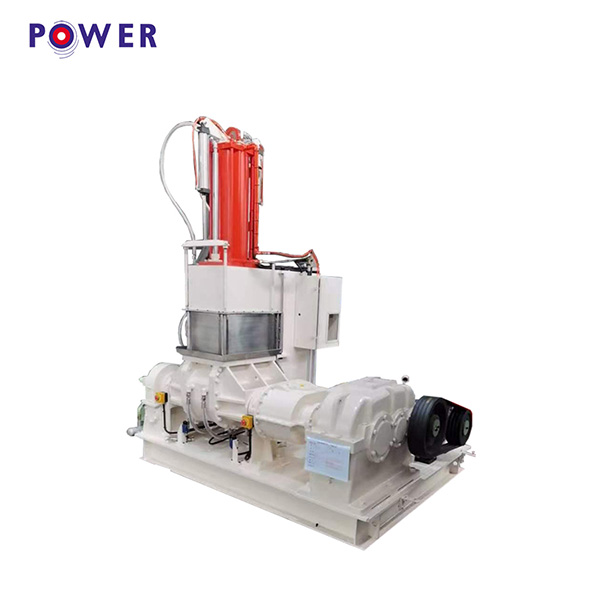
Dispersion Kneader Mixer
View ProductFixed Competitive Price Rubber Roller Strips Cleaning Machine - Rubber Roller General Grinding Machine - Power
View Product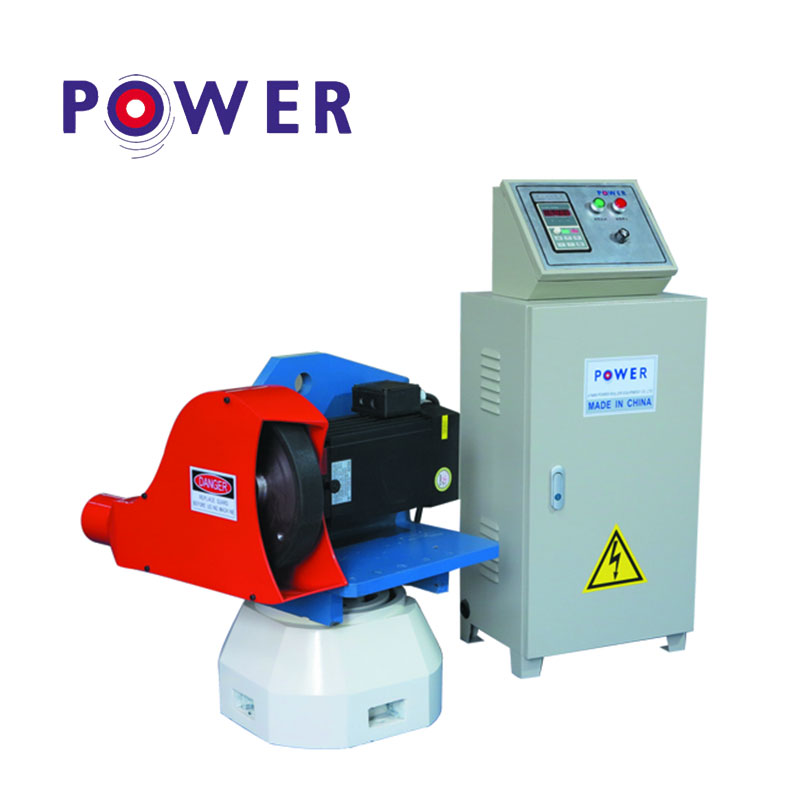
Rubber Roller Alloy Grinding Head Device
View Product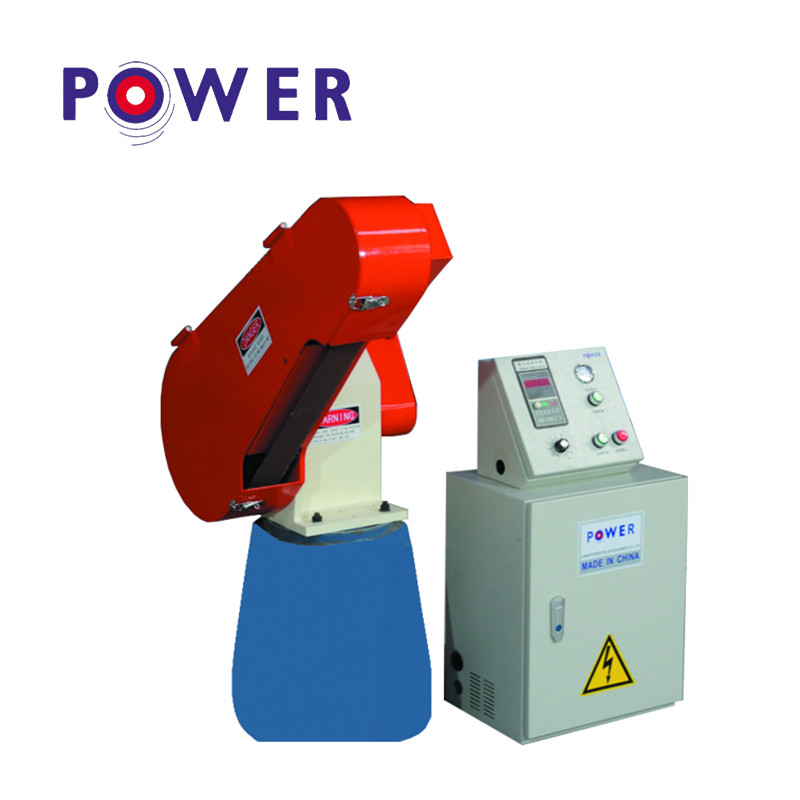
Rubber Roller Core Surface Sanding & Coarsening Head Device
View ProductGood Quality Vulcanizer - Autoclave- Steam Heating Type - Power
View Product
Multi-functional Roll Grinder
View Product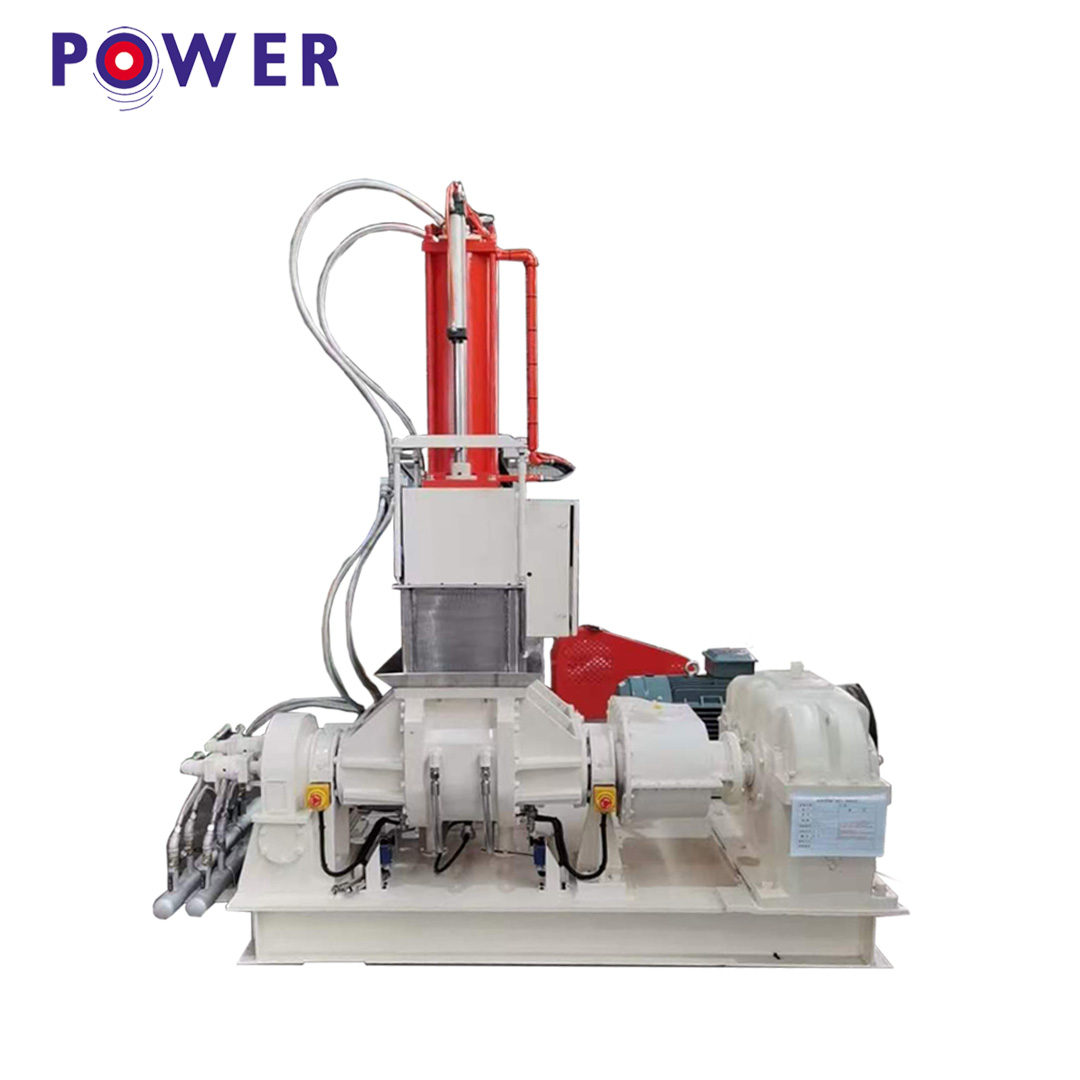
Lab-use Kneader Mixer
View Product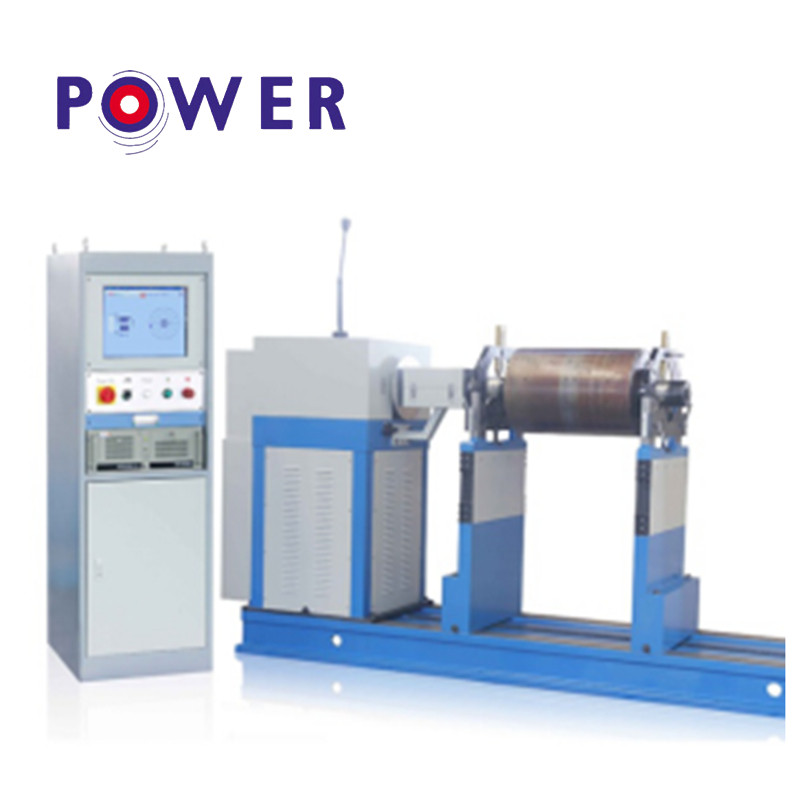
Balance Machine
View Product-

WeChat
WeChat

-

Watsapp
Watsapp

-

TEL
-

E-mail