
Key Processing Equipment for Anti-Static Rollers

The Critical Role of Anti-Static Rubber Roller Compounds in Industrial Material Transfer
In modern high-speed industrial manufacturing, electrostatic charge buildup is a persistent threat. During the continuous contact, separation, and friction involved in material web handling—such as in plastic film extrusion, printing, paper manufacturing, and electronic packaging—static electricity is generated via triboelectric charging. Without proper mitigation, this static buildup can lead to severe operational issues: electrostatic discharge (ESD) damaging sensitive electronic components, dust and particulate attraction contaminating pristine surfaces, and in worst-case scenarios, sparks igniting volatile organic solvents used in printing and coating lines.
To combat these challenges, specialized rubber roller compounds for anti-static material transfer have become the cornerstone of modern web-handling and conveying systems. By engineering the electrical resistivity of the rubber matrix, manufacturers can safely guide static charges away from the material web to the grounded metal core of the roller, ensuring smooth, safe, and defect-free production runs.
Commercial and Industrial Status of Anti-Static Roller Technology
The global market for anti-static rubber rollers is experiencing robust growth, driven by the rapid expansion of the semiconductor, lithium-ion battery, flexible packaging, and optoelectronics industries. Historically, simple carbon black-filled rubber compounds were sufficient to provide basic conductivity. However, today's industrial landscape demands rollers that not only control static but also maintain strict physical properties under extreme mechanical stresses.
Currently, the market is shifting toward high-performance elastomers such as Nitrile Butadiene Rubber (NBR), Ethylene Propylene Diene Monomer (EPDM), Polyurethane (PU), and Silicone. These materials are compounded with advanced conductive agents—ranging from traditional carbon black to cutting-edge carbon nanotubes (CNTs) and inherently dissipative polymers (IDPs). The primary commercial challenge lies in achieving the target electrical resistance (typically between 105 to 109 ohms for dissipative applications) without compromising the elastomer's physical integrity, wear resistance, or thermal stability.


Company Profile & Manufacturing Prowess
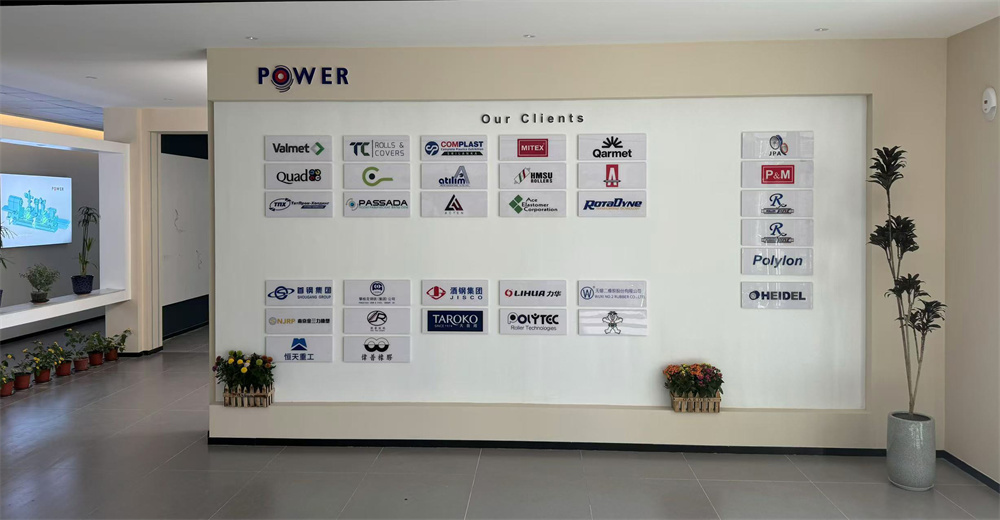
Jinan Power Roller Equipment Co., Ltd. is a professional manufacturer of modern rubber roller equipment integrating scientific research and production. Founded in 1998, the company is the main base for the production of special equipment of rubber rollers in China. Over the past 20 years, the company has not only devoted all its energy to the R&D and manufacturing of equipment, but also constantly researching more perfect production technology.
In recent years, our company is also making contributions to intelligent manufacturing in the rubber roller industry. The Industry 4.0 mode will be applied in our rubber roller production in the near future. Our new generation of rubber roller equipment provides a good platform for intelligent manufacturing. The interconnection between production managers and field operators, data sharing, recording and inspection can be achieved through the operation platform of the equipment, creating good conditions for various control in production.
Our company is supplying rubber roller manufacturers with highly accurate, durable and productive equipment. In 2000, our products passed the inspection by CCIB Quality Certification Center in accordance with ISO 9001 standards. By using our equipment, you will increase processing efficiency, and raise product quality. Also it can bring much economical benefit.


Deep Application Scenarios of Anti-Static Rubber Rollers
To appreciate the necessity of advanced compounding, it is essential to examine the specific environments where these anti-static rollers operate:
1. Semiconductor and Electronic Components Assembly
In cleanrooms where microchips, printed circuit boards (PCBs), and sensory displays are manufactured, even a minor static discharge of 100 volts can destroy delicate silicon pathways. Rubber rollers used to laminate protective films or transport PCBs must feature extremely consistent electrical properties. Here, non-marking, anti-static silicone or polyurethane rollers are preferred to prevent chemical contamination and ensure that no static buildup occurs during high-speed contact and release cycles.
2. High-Speed Flexible Packaging and Film Converting
Plastic films (such as BOPP, PET, and PE) are excellent insulators that quickly generate high electrostatic charges when run over standard rollers. In packaging plants operating at web speeds exceeding 500 meters per minute, uncontrolled static can cause the film to cling, misalign, or attract airborne dust. Furthermore, if solvent-based inks or adhesives are present, static discharge can trigger catastrophic fires. Conductive NBR rollers are deployed here to continuously ground the web, ensuring both processing speed and operator safety.
3. Lithium-Ion Battery Electrode Coating
The transition to green energy has created a massive demand for precision anti-static rollers in lithium-ion battery manufacturing. During the coating and calendering of anode and cathode active materials onto copper and aluminum foils, maintaining precise tension and zero static contamination is vital. Any static discharge could ignite solvent vapors or create microscopic defects in the active material layer, reducing battery efficiency and increasing safety risks.
Material Science: Compounding for Electrostatic Dissipation
Developing the ideal rubber compound requires balancing three primary electrical states: conductive, dissipative, and insulative. For anti-static material transfer, the target is generally the electrostatic dissipative range (surface resistivity of 106 to 109 ohms/sq). If a roller is too conductive (under 104 ohms), it may cause a rapid discharge that damages the material. If it is too insulative (above 1011 ohms), the static charge will not bleed off quickly enough.
Achieving this precise range requires careful selection of polymers and fillers:
- Elastomer Base: NBR is widely used due to its excellent oil and solvent resistance. EPDM is selected for ozone and high-temperature applications. Silicone is favored for cleanrooms and heat-sealing applications due to its high purity and thermal resilience.
- Conductive Fillers: Carbon black remains the industry standard, but it can cause marking and is limited in color options. For color-coded or non-marking cleanroom rollers, metallic oxides, conductive silica, or carbon nanotubes are utilized to create a percolation network within the rubber matrix.
- Plasticizers and Processing Aids: These must be carefully selected to prevent migration to the roller surface, which could contaminate the transferred materials or alter the electrical resistance over time.
Advanced Roller Machining & Testing Equipment



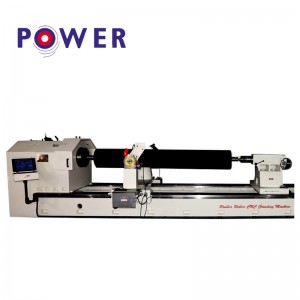
Manufacturing Process and Quality Control of Anti-Static Rollers
The production of high-performance anti-static rollers is highly complex. It requires precise control at every stage, from compound mixing to curing and final surface finishing. This is where Jinan Power Roller Equipment Co., Ltd. plays a critical role, providing the machinery required to meet these exacting standards.
1. High-Shear Mixing and Compounding
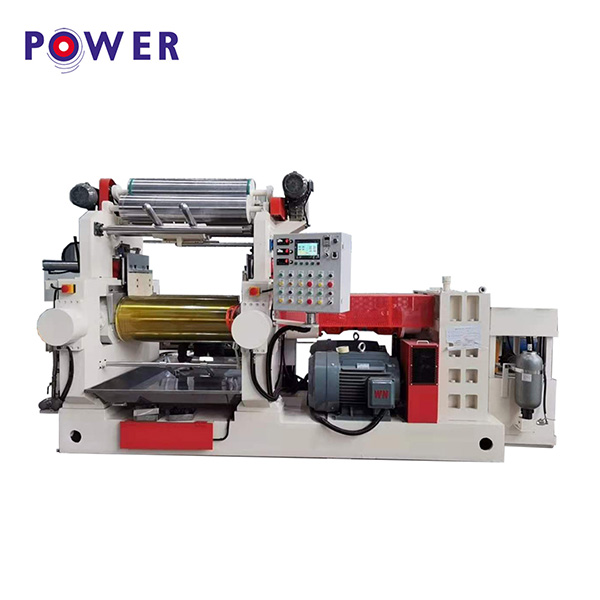
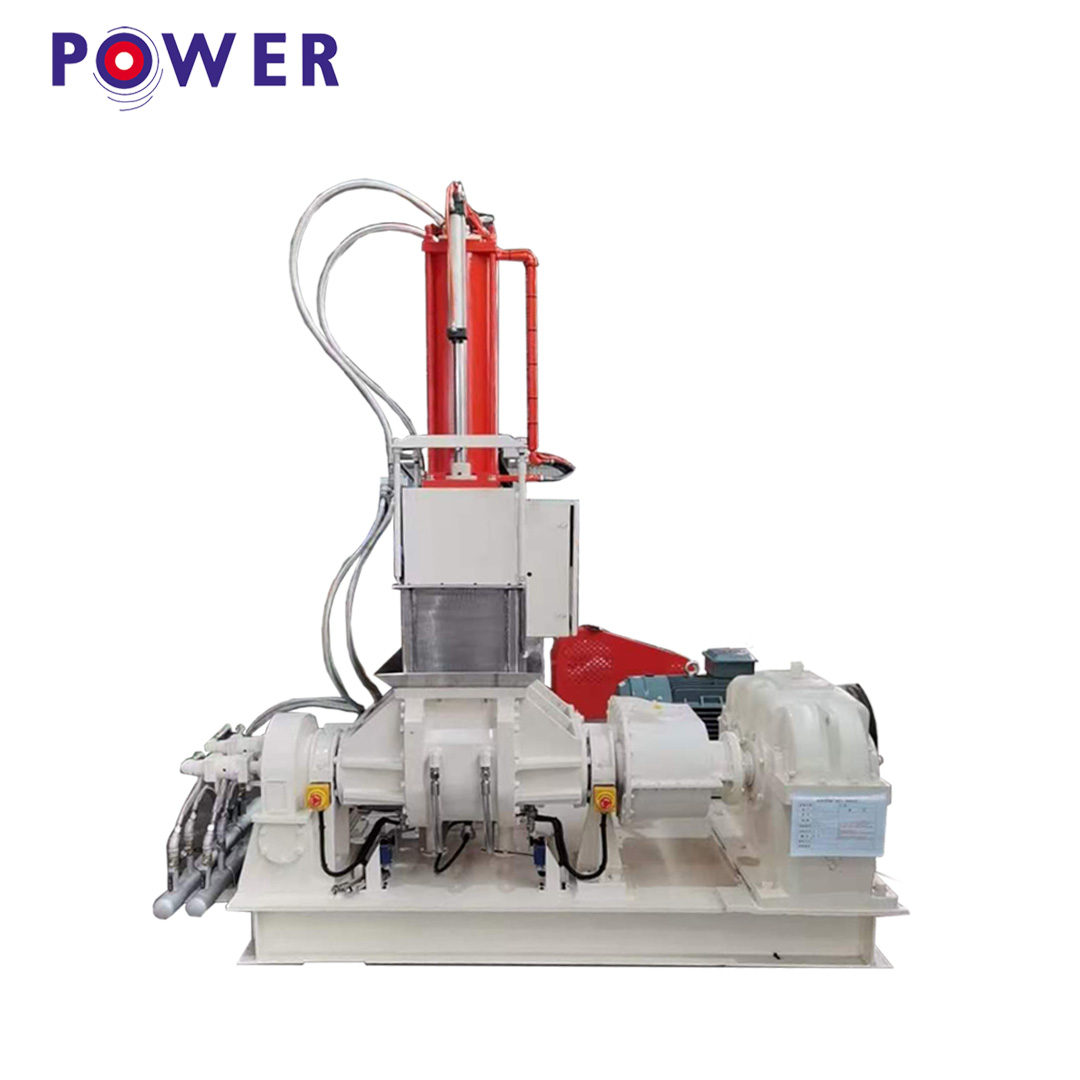
The dispersion of conductive additives is the single most critical factor in determining the uniformity of a roller's anti-static properties. Poor dispersion leads to "hot spots" (highly conductive areas) and "cold spots" (insulating areas), both of which can cause uneven static dissipation and web damage. Utilizing advanced Rubber Mixing Mills and pressure kneaders ensures that conductive fillers are thoroughly dispersed throughout the elastomer matrix without breaking down the polymer chains.
2. Precision Covering and Vulcanization
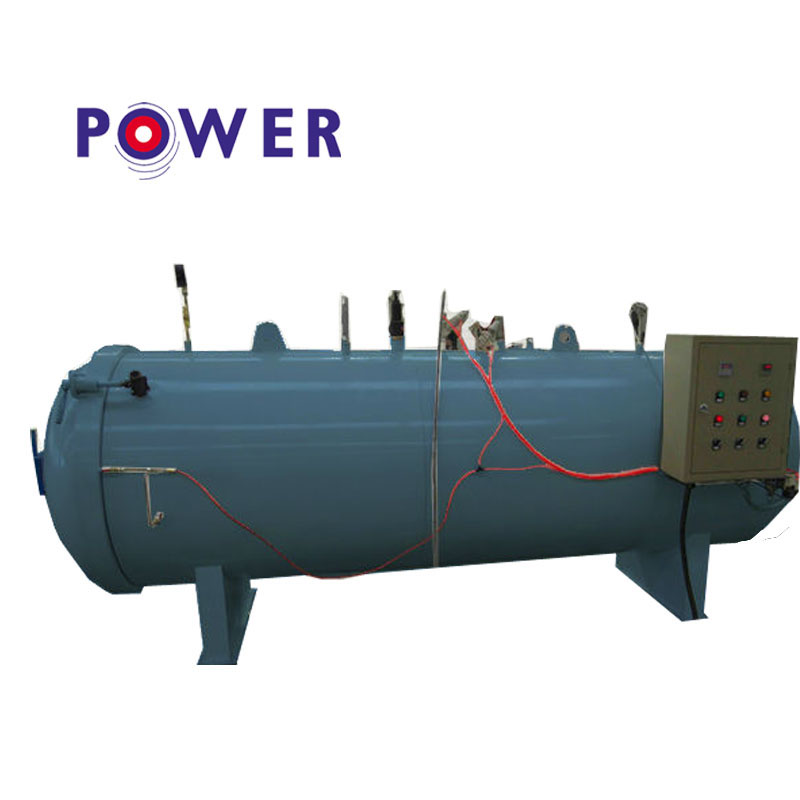
Once compounded, the rubber must be applied to the metal core. Rubber Roller Covering Machines apply the compound evenly to prevent air entrapment, which could cause structural defects or electrical voids. Following covering, the roller is placed in a vulcanization autoclave. The curing process must be carefully controlled; uneven temperature cycles can lead to variations in the cross-linking density of the rubber, directly affecting both the mechanical hardness (durometer) and the electrical resistivity of the final product.
3. CNC Grinding and Surface Profiling
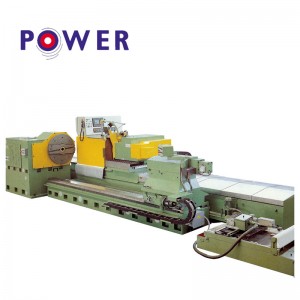
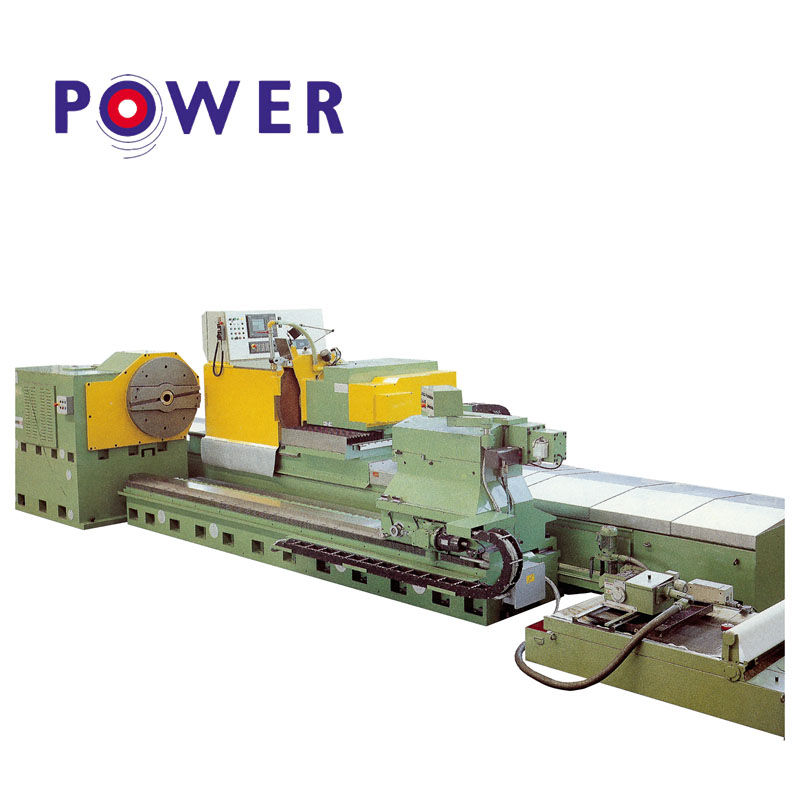
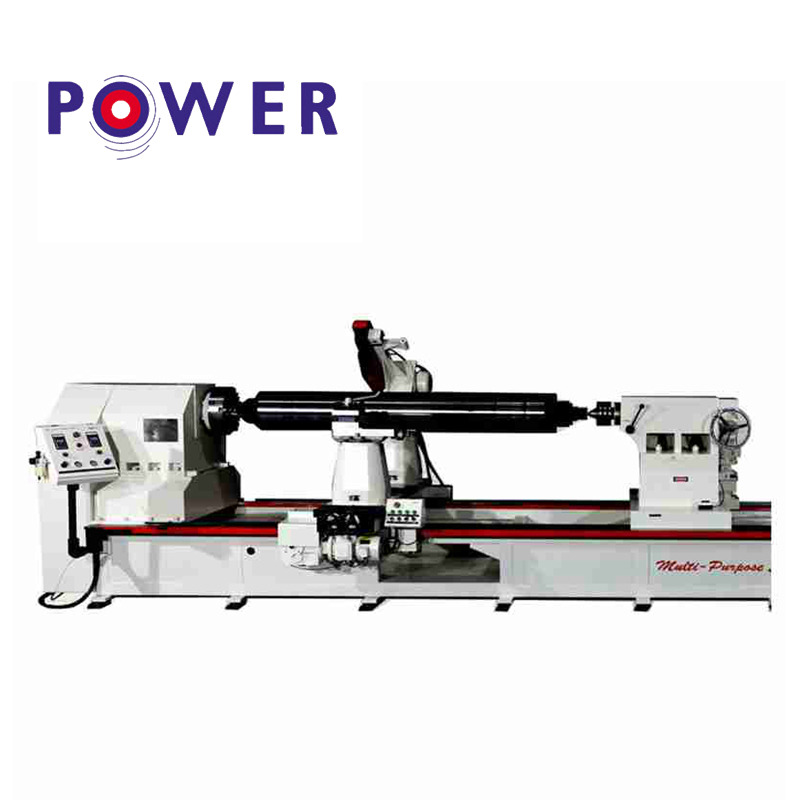
The surface finish of the roller dictates the contact area with the material web, which in turn influences the rate of static generation and dissipation. A surface that is too smooth can cause high adhesion (blocking), increasing static charges during separation. A surface that is too rough can lead to uneven contact. Using high-precision CNC Cylindrical Grinding Machines, manufacturers can achieve precise surface profiles, micro-grooving patterns, and tolerances within microns, ensuring optimal contact and static dissipation dynamics.
Future Trends: Smart Rollers and Industry 4.0
The future of anti-static material transfer lies in the integration of smart technologies. As factories embrace Industry 4.0, there is a growing demand for "smart rollers" that can monitor their own physical and electrical health in real-time. By embedding micro-sensors within the roller core or the rubber compound itself, operators can continuously monitor temperature, pressure, rotation speed, and surface resistivity during operation.
This real-time data flow allows for predictive maintenance, alerting operators to changes in roller conductivity before static buildup leads to product defects or machinery downtime. Jinan Power Roller Equipment Co., Ltd. is at the forefront of this revolution, developing next-generation machinery that supports digital interconnectivity, data sharing, and intelligent control platforms, paving the way for fully automated, self-monitoring roller production lines.
Complete Product Lineup
-

WeChat
WeChat

-

Watsapp
Watsapp

-

TEL
-

E-mail