
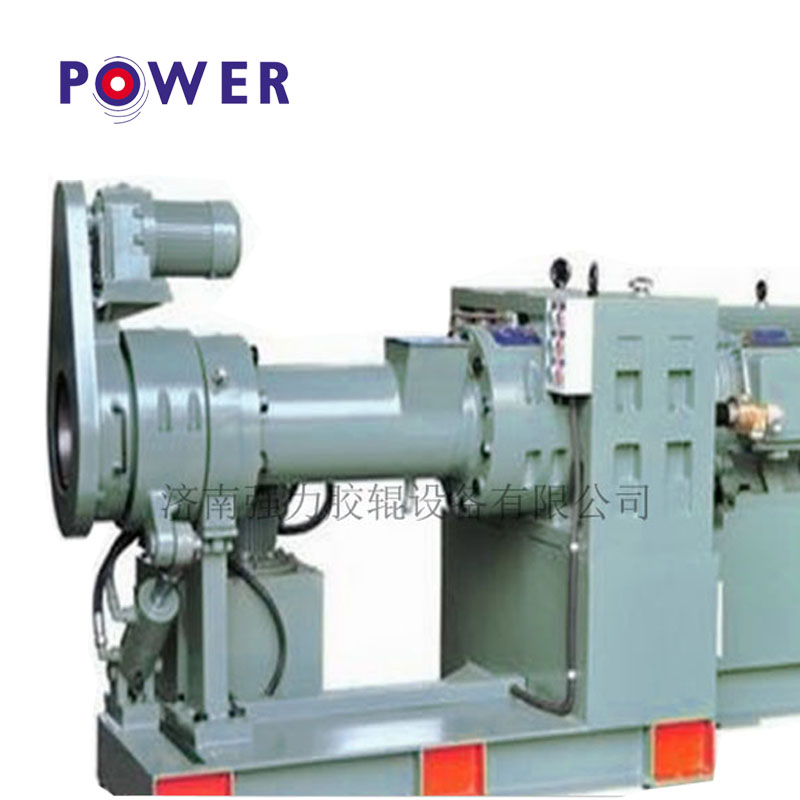
Rubber Filter / Rubber Strainer for Anti-Static Compounding
View DetailsPriceList for Pressure Type Mixer - Lab-use Kneader Mixer - Power
View Details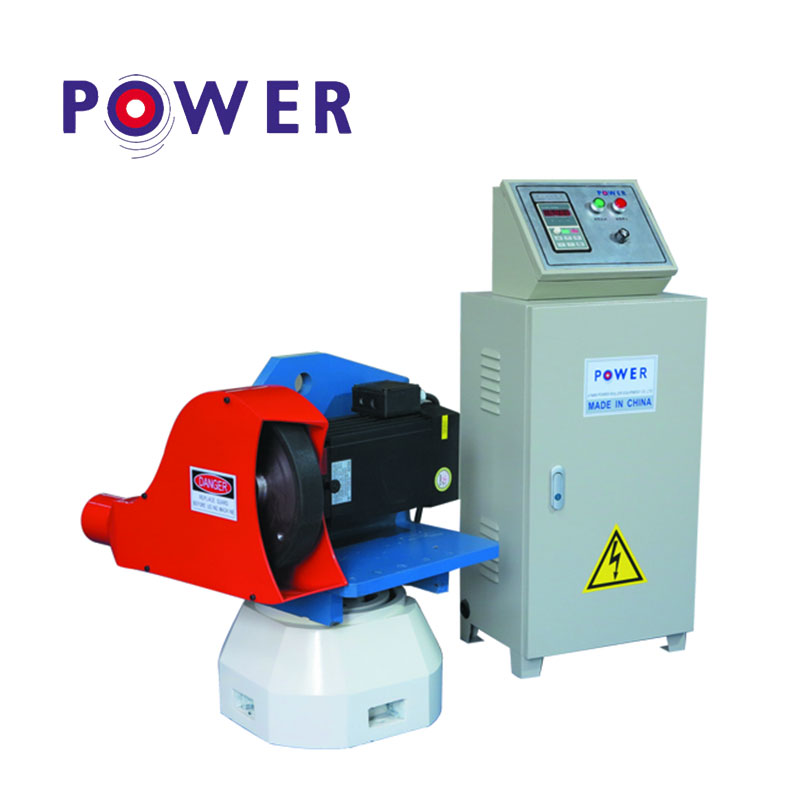
Alloy Grinding Head Device for Anti-Static Roller Precision Grooving
View DetailsWholesale Discount Surface Roughness Testing Machine - CNC Grinding
View DetailsDeep Analysis: The Critical Role of CNC Grooved Rollers in Anti-Static Material Transfer
In the modern industrial landscape, manufacturing speeds are faster than ever. As production lines accelerate to meet global demands, industries dealing with web-based materials—such as thin polymer films, flexible electronics, lithium battery separator foils, paper, and textiles—face a persistent and costly challenge: electrostatic accumulation. When non-conductive materials travel over rollers at high speeds, continuous contact and separation generate massive triboelectric charges. Without effective dissipation, these charges can cause material sticking, dust attraction, spark discharges, and even catastrophic fires. The integration of a specialized Rubber Roller CNC Groover for Anti-Static Material Transfer has emerged as an essential technology to mitigate these hazards while ensuring high-precision manufacturing.
Why Static Control Matters in High-Speed Web Handling
Static electricity is not just an inconvenience; it directly impacts product yield, equipment safety, and operational efficiency. In cleanroom environments, such as semiconductor packaging or optical film manufacturing, static charges attract microscopic dust particles, rendering entire batches of materials defective. By utilizing conductive rubber rollers grooved with exact geometries, manufacturers can continuously bleed off charges to ground while preventing air entrainment.
Understanding the Triboelectric Effect & Air Entrainment
When a flexible web material wraps around a spinning rubber roller, a microscopic layer of air is dragged into the nip zone. At low speeds, this air easily escapes. However, at high speeds, the air becomes trapped, creating a thin boundary layer—a phenomenon known as "aquaplaning" or air entrainment. This air layer acts as a lubricant, causing the web to lose physical contact with the roller surface. The resulting slippage between the web and the roller greatly accelerates triboelectric charging, generating static voltages that can exceed 20,000V.
To prevent this, the roller surface must be modified. A CNC grooving machine cuts precise channels into the elastomer coating. These grooves act as escape paths for the trapped air, ensuring direct, continuous contact between the web and the conductive rubber. This mechanical contact is vital for the continuous transfer of static charges from the web, through the conductive elastomer, down to the roller core, and finally to the machine ground.
Advanced CNC Grooving Patterns for Static Dissipation
Not all grooves are created equal. The geometric design of the groove must be customized according to the material stiffness, web tension, line speed, and electrostatic threshold. Modern CNC grooving machines allow for highly complex patterns, including:
- Spiral / Helical Grooves: These run continuously along the roller surface, gently guiding trapped air outward toward the edges of the web. This pattern is highly effective for thin, delicate packaging films, as it also helps flatten out wrinkles.
- Herringbone (Chevron) Patterns: Designed with opposing spiral angles meeting in the center, herringbone grooves balance lateral forces on the web, preventing tracking errors while pushing air out symmetrically.
- Diamond & Cross-Hatch Patterns: Commonly used in heavy-duty material handling, these patterns maximize grip and provide multi-directional pathways for air and static discharge.
- Micro-Grooves: For optical-grade films and flexible electronics, standard grooves are too aggressive and may leave marks on the material. Micro-grooving cuts ultra-fine channels (less than 0.3mm wide and deep) that offer static dissipation without compromising surface smoothness.
Key Industrial Application Scenarios
Anti-static material transfer is critical across several high-tech industries. Below are the primary sectors where CNC-grooved rubber rollers are indispensable:
1. Lithium-Ion Battery Manufacturing
During the production of battery separator films and electrode coating lines, high-speed winding is common. The separator film is extremely thin and highly prone to static buildup. An unexpected electrostatic discharge (ESD) can create micro-punctures in the separator, leading to short circuits and thermal runaway risks in the finished battery. CNC-grooved conductive rollers ensure safe, spark-free processing.
2. Flexible and Printed Electronics
Roll-to-roll (R2R) processing is used to manufacture flexible solar panels, RFID tags, and OLED displays. The micro-circuits printed onto these polymer substrates can be instantly destroyed by low-voltage ESD events. Precision micro-grooved rollers maintain constant electrical contact, safely grounding the web throughout the printing, curing, and winding processes.
3. High-Speed Packaging and Printing
In gravure and flexographic printing, flammable solvent-based inks are frequently used. A single static spark near the ink fountain can trigger an explosion. Conductive, grooved rubber rollers are mandatory in these environments to prevent charge buildup and secure safe, continuous operation at speeds exceeding 500 meters per minute.
Company Profile
Jinan Power Roller Equipment Co., Ltd. is a professional manufacturer of modern rubber roller equipment integrating scientific research and production. Founded in 1998, the company is the main base for the production of special equipment for rubber rollers in China. Over the past 20 years, the company has not only devoted all its energy to the R&D and manufacturing of equipment, but also constantly researching more perfect production technologies.
In recent years, our company has also been making significant contributions to intelligent manufacturing in the rubber roller industry. The Industry 4.0 mode will be applied in our rubber roller production systems in the near future, bringing higher automation, real-time status monitoring, and predictive maintenance capabilities to our global clients.
Our new generation of rubber roller equipment provides an excellent platform for intelligent manufacturing. The interconnection between production managers and field operators, data sharing, recording, and inspection can be achieved through the operation platform of the equipment, creating optimal conditions for comprehensive control in production.
We supply rubber roller manufacturers with highly accurate, durable, and productive equipment. Our main products include: Rubber Roller Stripping Machine, CNC Grinding/Grooving Machine, CNC Cylindrical Grinder, Rubber Roller Covering Machine, Rubber Roller Polishing Machine, Professional Measuring Instruments, and customized production lines.
In 2000, our products successfully passed the inspection by the CCIB Quality Certification Center in accordance with ISO 9001 standards. By using our equipment, you will increase processing efficiency, raise product quality, and secure substantial economical benefits.


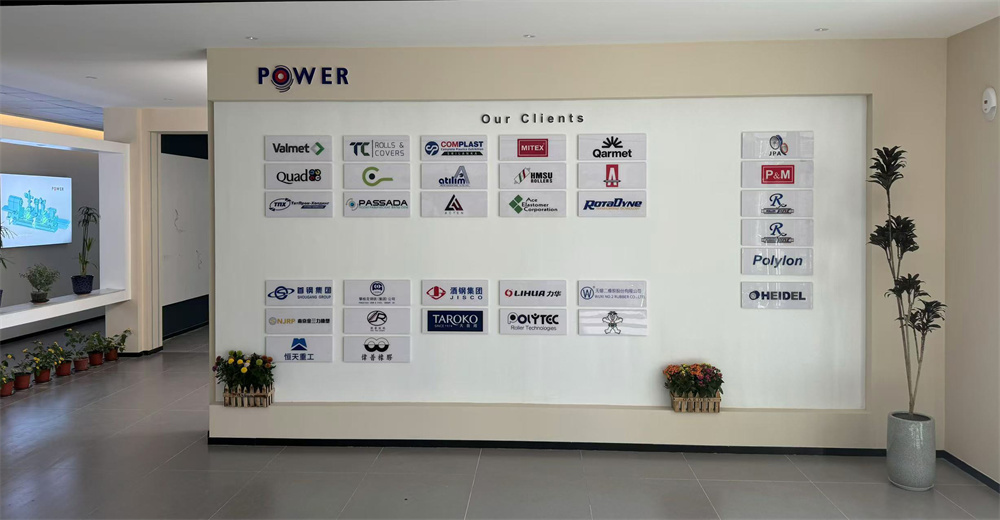
1998
Established
20+
Years Experience
4.0
Industry Ready
Technological Trends: CNC Precision Grinding and Grooving
The manufacturing and maintenance of anti-static rubber rollers require extreme dimensional accuracy. Elastomers are notoriously difficult to machine because they deflect under the pressure of cutting tools. Standard lathes often leave burrs, uneven grooves, or surface tears, which can act as localized points of electrical charge concentration, increasing the risk of spark discharges.
Modern CNC Grooving and Grinding Machines, such as those engineered by Jinan Power Roller Equipment Co., Ltd., utilize advanced multi-axis servo motors and high-speed spindles to achieve clean, burr-free cuts. By integrating specialized alloy grinding heads and precision cutters, these machines can process rollers of varying durometers (from soft silicone to hard polyurethane) with sub-micron repeatability.
Industry 4.0 Integration in Roller Production
As smart factories become the standard, the production of rubber rollers must adapt. Jinan Power Roller's new generation of CNC machinery is equipped with intelligent sensors that monitor spindle vibration, tool wear, and temperature in real-time. If the machine detects tool degradation that could affect the groove geometry, it automatically adjusts feed rates or alerts the operator.
Furthermore, cloud-based data sharing allows production managers to monitor the exact progress of each roller, ensuring full compliance with ISO 9001 quality standards. This level of traceability is particularly valuable for manufacturers supplying high-precision rollers to the semiconductor and aerospace industries, where every process parameter must be documented.
Optimizing Elastomer Compounds for Grooving
A successful anti-static roller depends on both the machine and the material. The rubber compound must be formulated with conductive fillers, such as carbon black, carbon nanotubes, or specialized metal salts. However, these conductive additives can alter the mechanical properties of the rubber, making it more abrasive or brittle. CNC grooving operators must carefully select the cutting speed, tool angle, and cooling methods to prevent thermal damage to the elastomer during machining. The use of specialized alloy grinding heads ensures that the conductive channels remain open and functional, without microscopic melting that could block electrostatic pathways.
Featured CNC Grinding & Grooving Machinery

CNC High Precision Cylindrical Grinding Machine
View Product
CNC Large Cylindrical Grinding & Grooving Machine
View Product
PRG-CNC Multi-functional Roll Grinder
View Product
PDM-CNC Porous Drilling Machine
View Product
Multifunctional PCM-CNC Processing Center
View Product
Multi-purpose Stripping & Grooving Machine
View Product
Rubber Roller Covering & Extruding Machine
View Product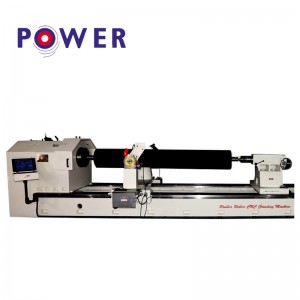
Rubber Roller CNC Grinding Machine
View Product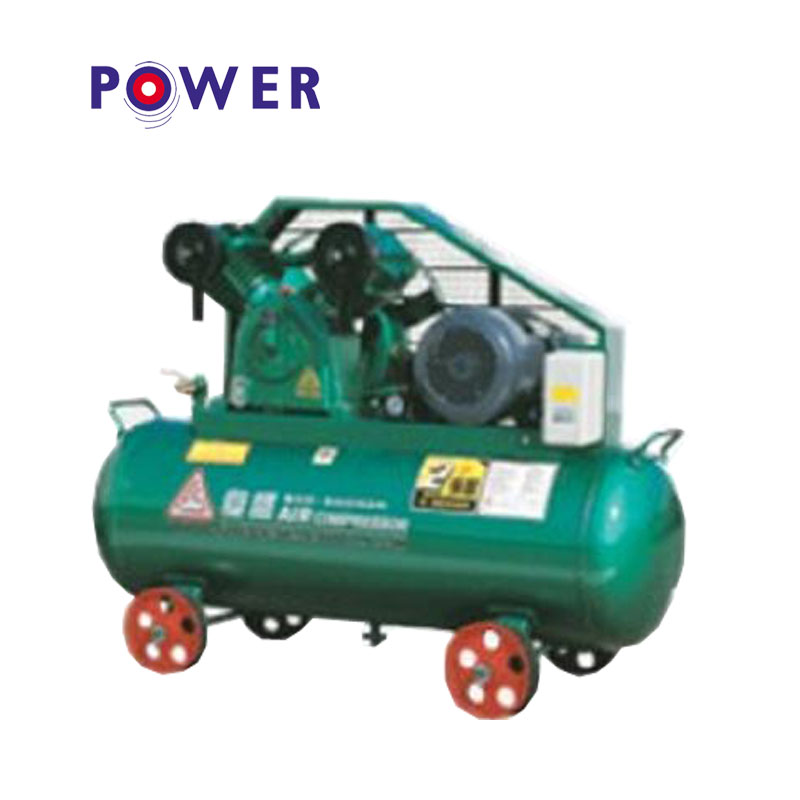 Air Compressor GP-11.6/10G Air-Cooled
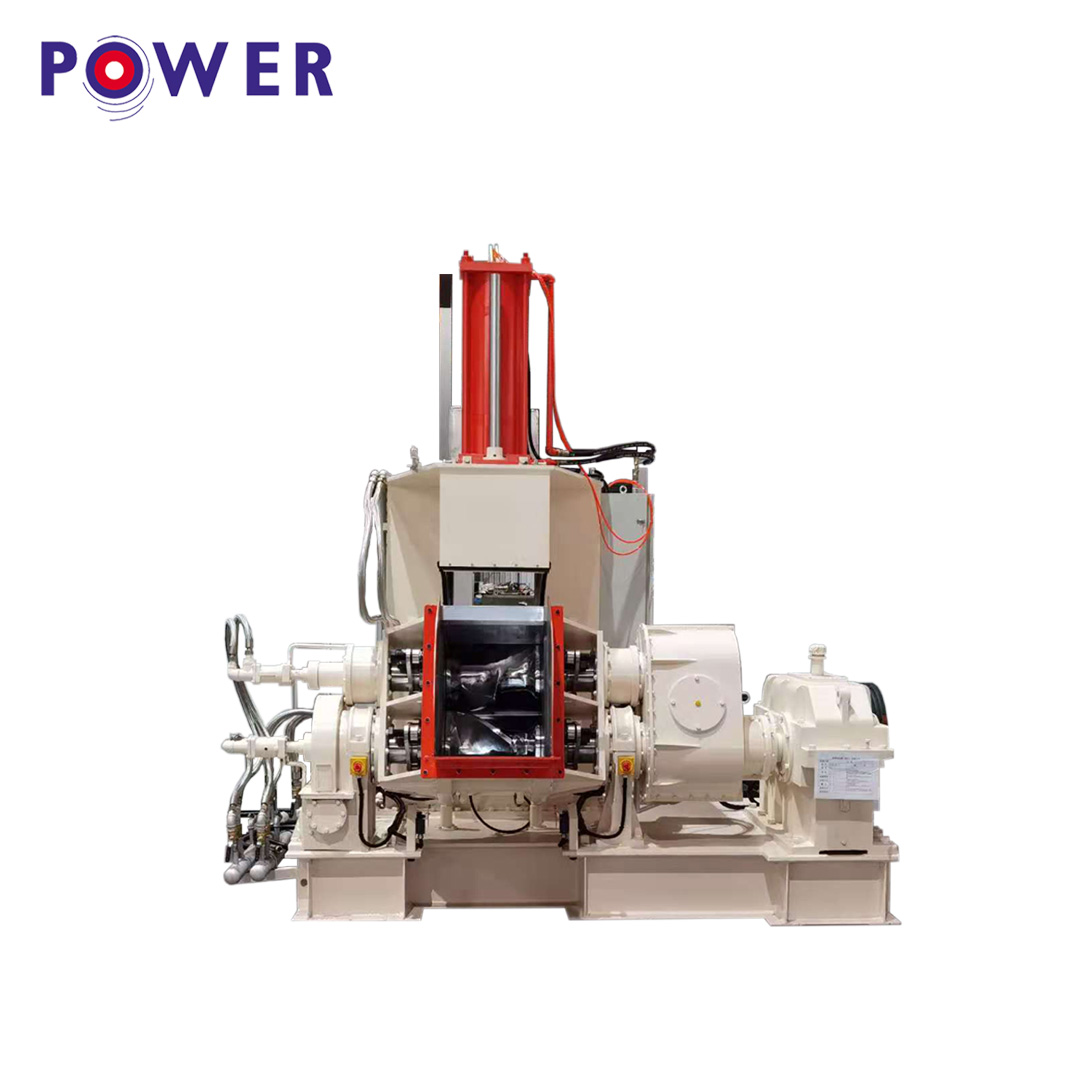 Internal Mixer
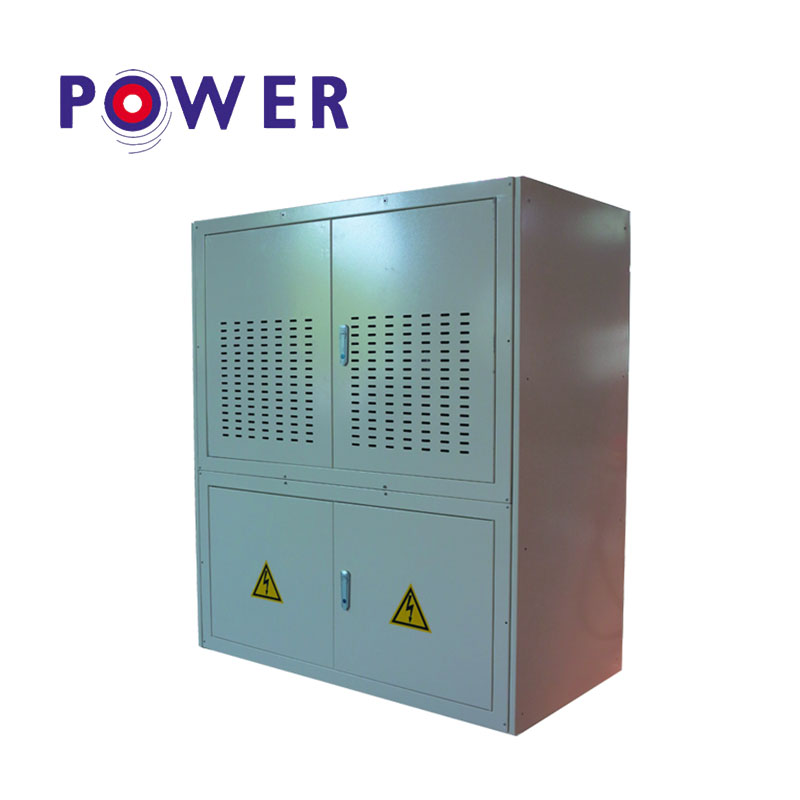 Rubber Roller Covering Machine Temperature Control Unit
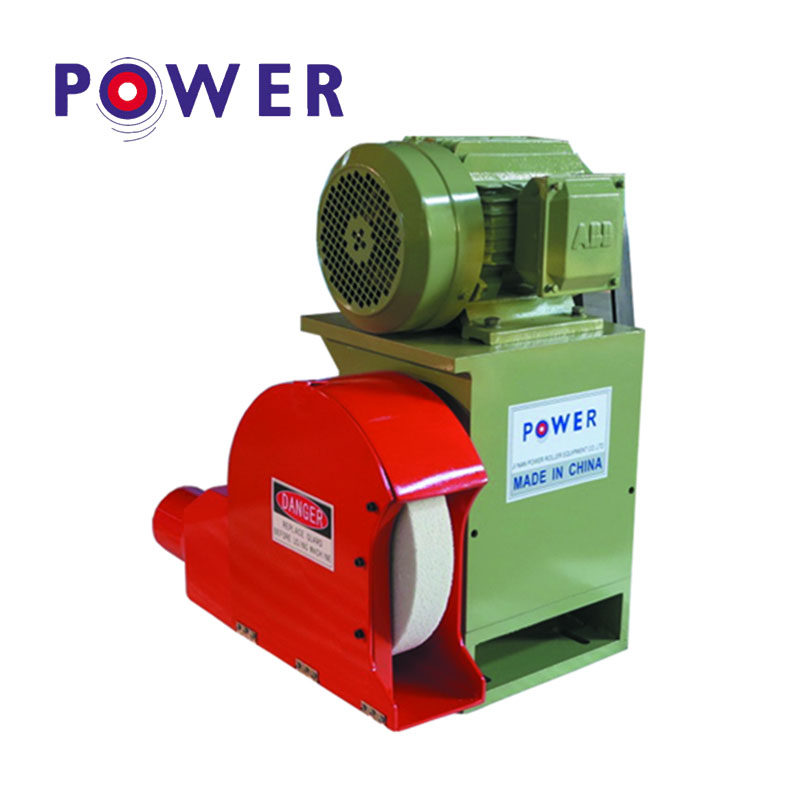 Rubber Roller Common Stone Grinding Head Device
-

WeChat
WeChat

-

Watsapp
Watsapp

-

TEL
-

E-mail