
The Crucial Role of PU Rubber Roller Material in Modern Roller Fabrication
In the high-precision world of industrial manufacturing, the selection of materials for roller fabrication plays a pivotal role in determining operational efficiency, longevity, and overall product quality. Among the array of elastomers available, Polyurethane (PU) has emerged as a dominant force. PU rubber roller material for rubber roller fabrication is highly regarded for its exceptional physical properties, bridging the gap between flexible rubber and rigid plastics.
Today's industrial landscape demands rollers that can withstand extreme mechanical stress, corrosive chemical environments, and high-speed operations. Traditional rubber compounds, while versatile, often fall short under heavy loads or highly abrasive conditions. This is where polyurethane formulations step in, offering unmatched tensile strength, superior load-bearing capacity, and exceptional resistance to cuts, tears, and abrasion.
Industrial Status & Market Demand
Globally, the market for polyurethane-covered rollers is experiencing robust growth. Industries such as steel processing, paper manufacturing, textile production, and packaging are undergoing rapid automation. These automated systems require rollers that require minimal maintenance and offer prolonged service lifespans. As a result, fabrication plants are increasingly transitioning their production lines to accommodate PU casting and curing processes.
Furthermore, the customization of polyurethane prepolymers allows fabricators to tailor the hardness of the roller surface—ranging from extremely soft (Shore 10A) to ultra-hard (Shore 75D). This versatility ensures that whether a roller is destined for a delicate printing press or a heavy-duty steel strip mill, the material properties can be precisely engineered to match the application's demands.
Why Fabricators Choose Polyurethane:
- Extreme Wear Resistance: Outlasts conventional rubber rollers by up to 4 to 10 times in highly abrasive environments.
- High Load-Bearing Capacity: Possesses high compressive strength, making it ideal for heavy-duty nip rollers.
- Chemical & Oil Inertness: Excellent resistance to hydrocarbons, solvents, and industrial cleaning agents.
- Exceptional Elastomeric Memory: Resists flat-spotting under static loads and maintains dimensional stability over time.
Company Profile: Jinan Power Roller Equipment Co., Ltd.
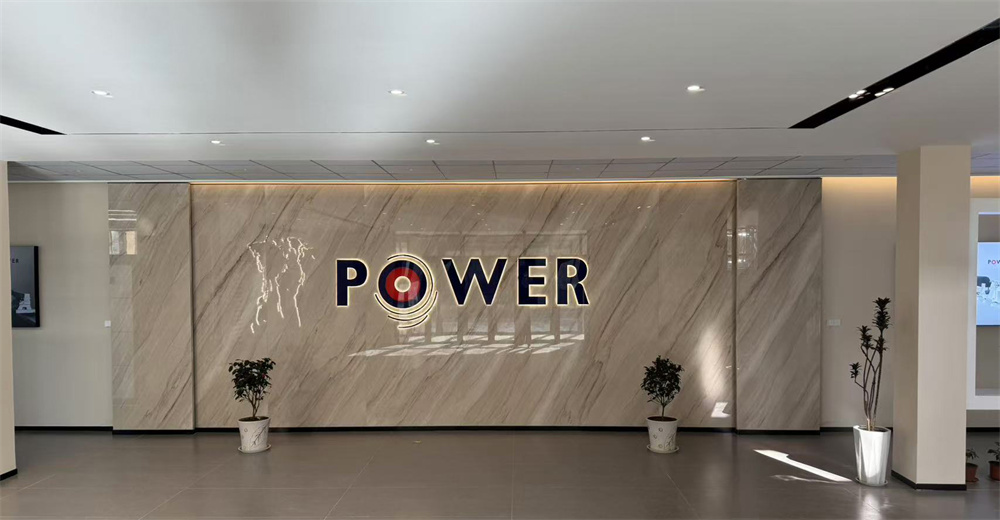
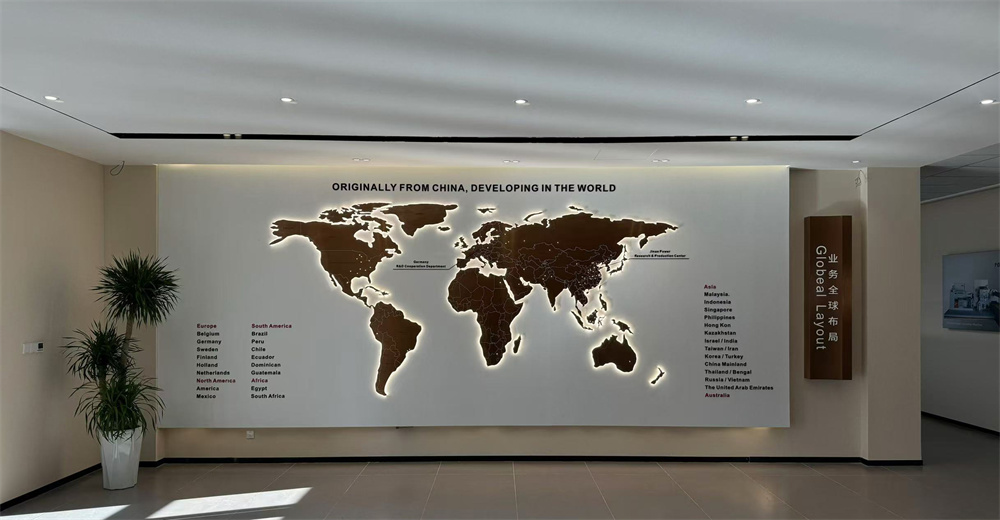
Jinan Power Roller Equipment Co., Ltd. is a professional manufacturer of modern rubber roller equipment integrating scientific research and production. Founded in 1998, the company is the main base for the production of special equipment of rubber rollers in China. Over the past 20 years, the company has not only devoted all its energy to the R&D and manufacturing of equipment, but also constantly researching more perfect production technology.
In recent years, our company are also making contribution to intelligent manufacturing in the rubber roller industry. The Industry 4.0 mode will be applied in our rubber roller production in the near future.
Our new generation of rubber roller equipment provides a good platform for intelligent manufacturing. The interconnection between production managers and field operators, data sharing, recording and inspection can be achieved through the operation platform of the equipment, creating good conditions for various control in production.
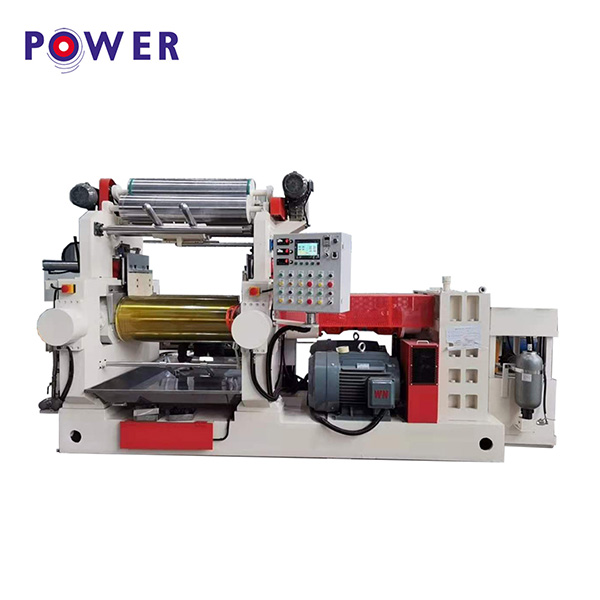
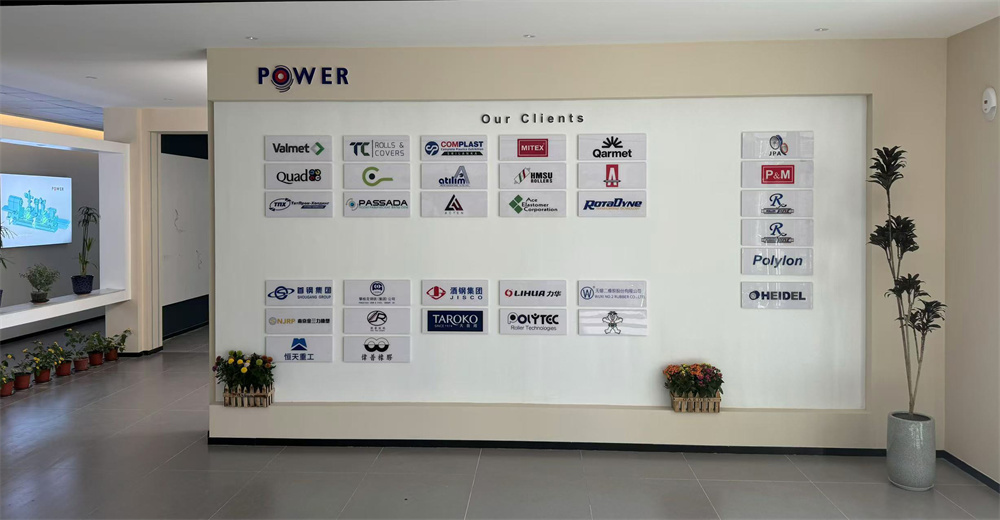
Our company is supplying rubber roller manufacturers with highly accurate, durable and productive equipment. Our main products including: Rubber Roller Stripping Machine, CNC Grinding/Grooving Machine, CNC Cylindrical Grinder, Rubber Roller Covering Machine, Rubber Roller Polishing Machine, Professional Measuring Instrument, Etc.
In 2000, our products passed the inspection by CCIB Quality Certification Center in accordance with ISO 9001 standards. By using our equipment, you will increase processing efficiency, and raise product quality. Also it can bring much economical benefit.


Deep Application Scenarios of PU Rollers in Modern Industries
Polyurethane rubber rollers are not a one-size-fits-all solution; their formulation must be carefully calibrated based on the specific industrial environment. Below, we explore the critical application scenarios where PU rollers prove irreplaceable:
1. Steel & Metallurgy Processing
In steel mills, rollers are subjected to immense pressure, abrasive metal edges, and constant exposure to oils and cooling lubricants. PU rollers are deployed in tension leveling, coil coating, and degreasing lines. Their high load capacity ensures minimal deformation under high nip pressures, maintaining uniform tension across the steel sheets and preventing surface scratching.
2. High-Speed Printing & Packaging
Modern printing presses operate at incredibly high velocities. Rollers must transfer ink precisely without swelling or degrading when exposed to solvents. Formulated PU rollers maintain stable hardness and dimensional accuracy, ensuring consistent ink transfer and preventing registration errors. Their dynamic properties also minimize heat buildup during continuous, high-speed runs.
3. Paper & Pulp Manufacturing
The papermaking process involves high humidity, chemical exposure, and massive mechanical forces. Polyurethane press rollers and size press rollers offer superior hydrolysis resistance and wear characteristics. This prevents premature wear patterns and reduces downtime, ensuring the paper mill runs continuously without frequent roller replacements.
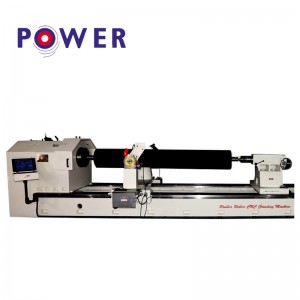
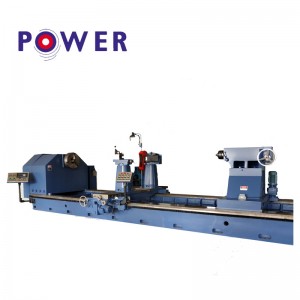
Advanced Processing & Grinding Machinery Portfolio
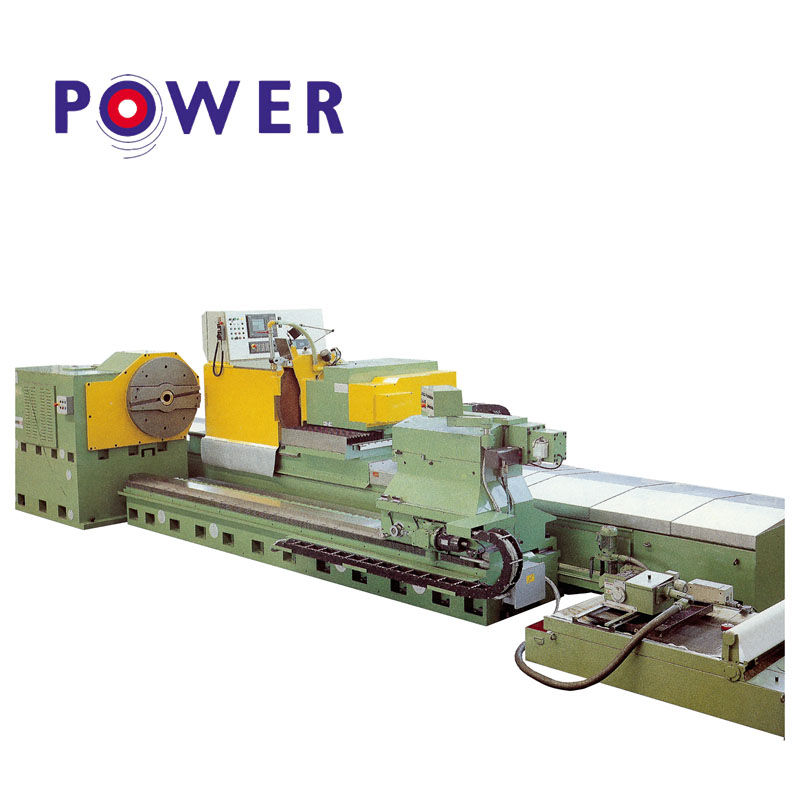
Explore our comprehensive range of CNC machinery designed to process and finish polyurethane and rubber rollers to exact tolerances.





The Intricate Process of PU Rubber Roller Fabrication
Fabricating high-quality polyurethane rollers requires a combination of premium raw materials, state-of-the-art machinery, and strict process control. A minor deviation in temperature or mixing ratio can significantly alter the physical properties of the finished roller. The fabrication workflow typically follows these critical stages:
1. Core Preparation & Bonding Agent Application
The metal core (usually steel, aluminum, or stainless steel) is the backbone of the roller. It must be thoroughly cleaned, sandblasted, and degreased to ensure maximum adhesion. A specialized bonding agent is then applied to the core. This step is critical; a weak bond can lead to delamination of the polyurethane cover under heavy working loads, causing catastrophic failure in industrial operations.
2. Liquid Polyurethane Casting
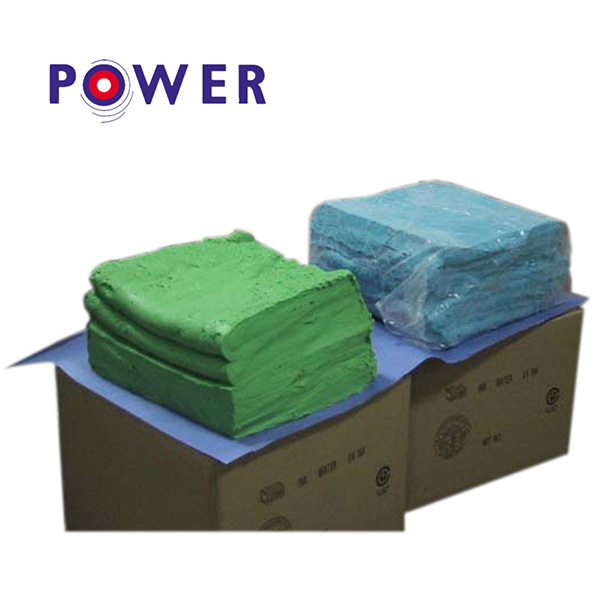
Polyurethane prepolymers and curatives are heated and mixed in precise ratios. The casting process can be done using rotational casting or mold casting. In rotational casting, the liquid PU is applied directly to the rotating core, eliminating the need for expensive molds. For high-volume or complex shapes, mold casting is preferred, where the core is placed inside a preheated mold, and the PU is injected under controlled pressure.
3. Curing and Post-Curing
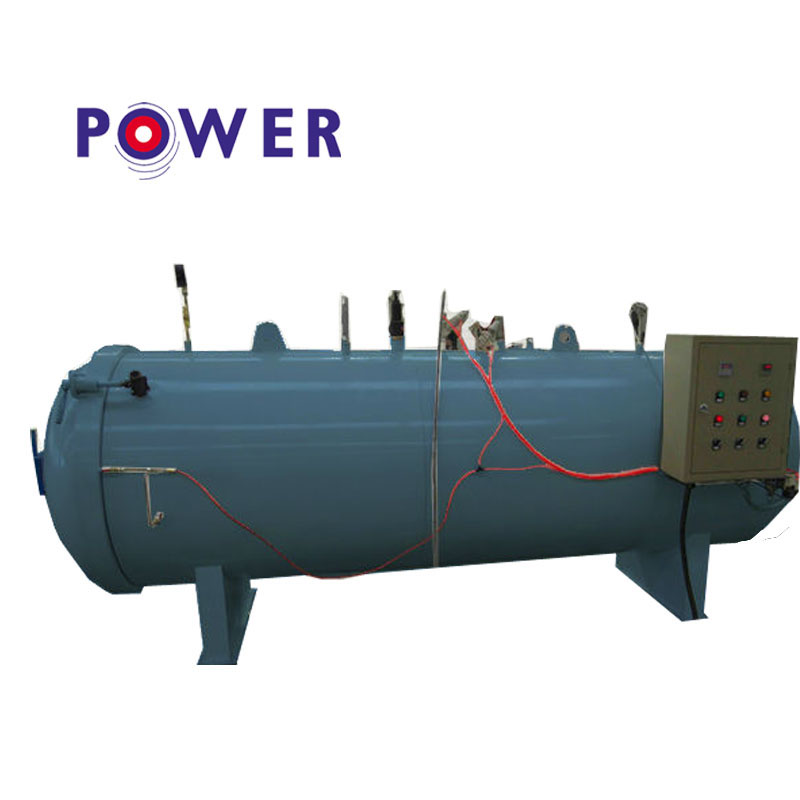
Once cast, the polyurethane must undergo thermal curing to achieve its full physical properties. This is often completed in specialized heating chambers or autoclaves. Post-curing at stable temperatures for a defined duration ensures that the polymer chains cross-link completely, optimizing the material's wear resistance and elasticity.
4. Precision CNC Grinding & Finishing
After curing, the roller surface is rough and uneven. CNC cylindrical grinders and grooving machines are utilized to machine the roller to the exact diameter and tolerance required by the client. Whether the application calls for a smooth mirror finish, a spiral groove, or a herringbone pattern, precision grinding machinery ensures sub-micron accuracy.
Future Trends in PU Roller Fabrication: Embracing Industry 4.0
As manufacturing sectors move toward digitalization, the roller fabrication industry is undergoing a significant transformation. The integration of smart technologies, IoT sensors, and automated data collection is defining the next generation of roller production. Jinan Power Roller Equipment Co., Ltd. is at the forefront of this revolution, developing intelligent machinery that supports data sharing, remote monitoring, and predictive maintenance.
Key trends shaping the future of PU roller fabrication include:
- Automated Casting Systems: Robotic dispensing systems that dynamically adjust mix ratios based on environmental temperature and humidity, ensuring zero defects in the cured polyurethane.
- Smart Grinding Equipment: CNC grinding machines equipped with real-time laser measurement systems that automatically adjust grinding wheel wear, delivering unparalleled dimensional accuracy.
- Eco-Friendly PU Formulations: The development of bio-based polyurethane prepolymers and mercury-free catalysts to reduce the environmental footprint of the fabrication process.
- Predictive Maintenance Integration: Rollers embedded with RFID chips or smart sensors that monitor temperature, pressure, and wear during operation, alerting operators before a failure occurs.
By investing in advanced fabrication machinery and adopting Industry 4.0 principles, roller manufacturers can significantly reduce waste, optimize energy consumption, and deliver superior products that meet the rigorous demands of modern automated production lines.
Customized Roller Solutions
Different industries, specifications, and production needs require different equipment to meet your technics, so customized solutions are crucial. Let's do it for you. We provide tailor-made equipment setups that align perfectly with your manufacturing goals, ensuring maximum throughput and minimal waste.
Intelligent Manufacturing Platform
In recent years, our company are also making contribution to intelligent manufacturing in the rubber roller industry. The Industry 4.0 mode will be applied in our rubber roller production in the near future. Our modern CNC roll grinders and covering machines offer a seamless interface for data sharing, allowing production managers to monitor output and quality metrics in real time.
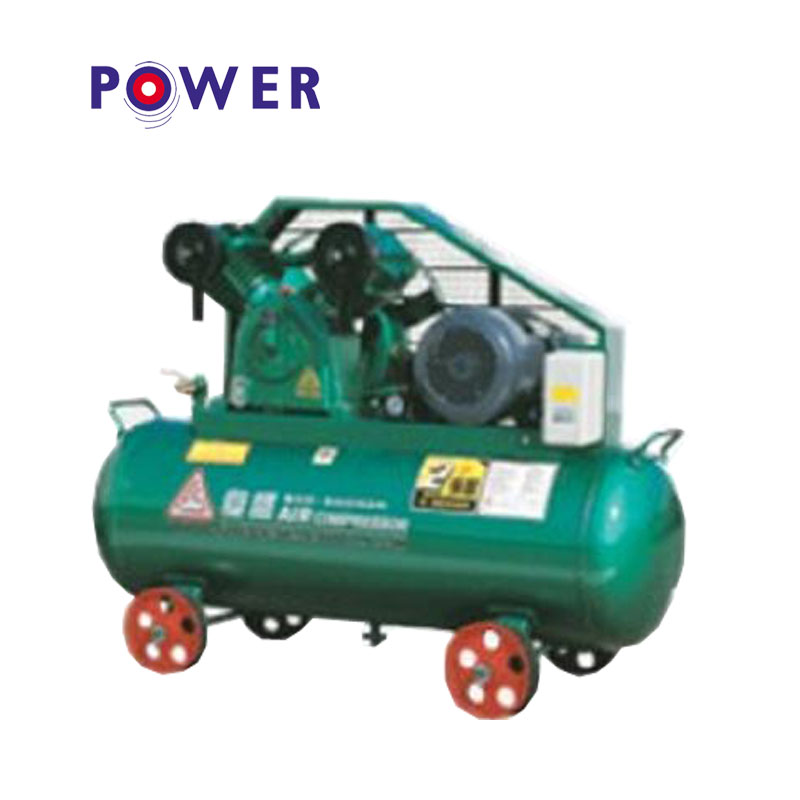
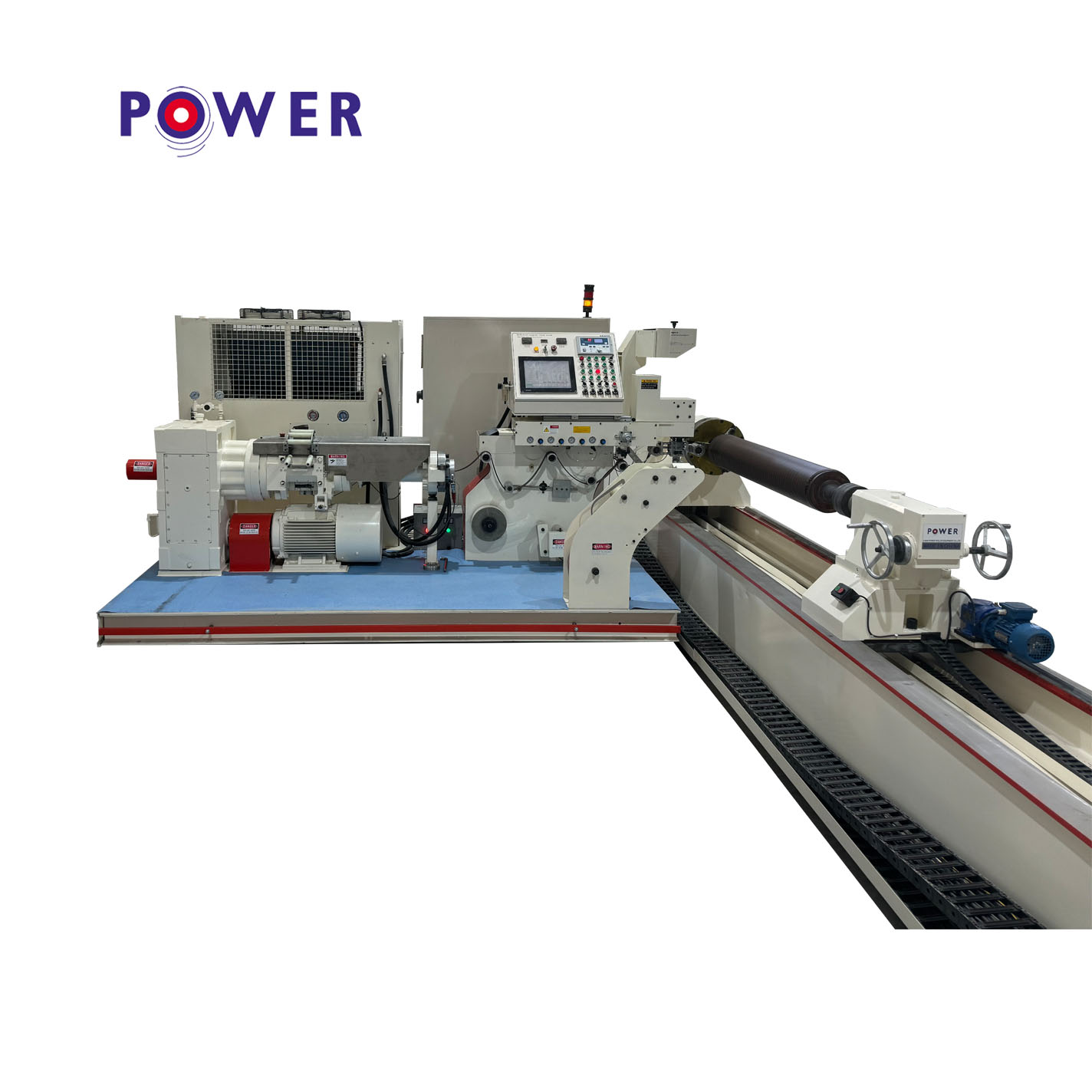
Complete Product & Machinery Catalog
-

WeChat
WeChat

-

Watsapp
Watsapp

-

TEL
-

E-mail