
Featured Material Processing Machinery
Explore our core engineering equipment optimized for the demanding stages of EPDM and Polyurethane roll production.
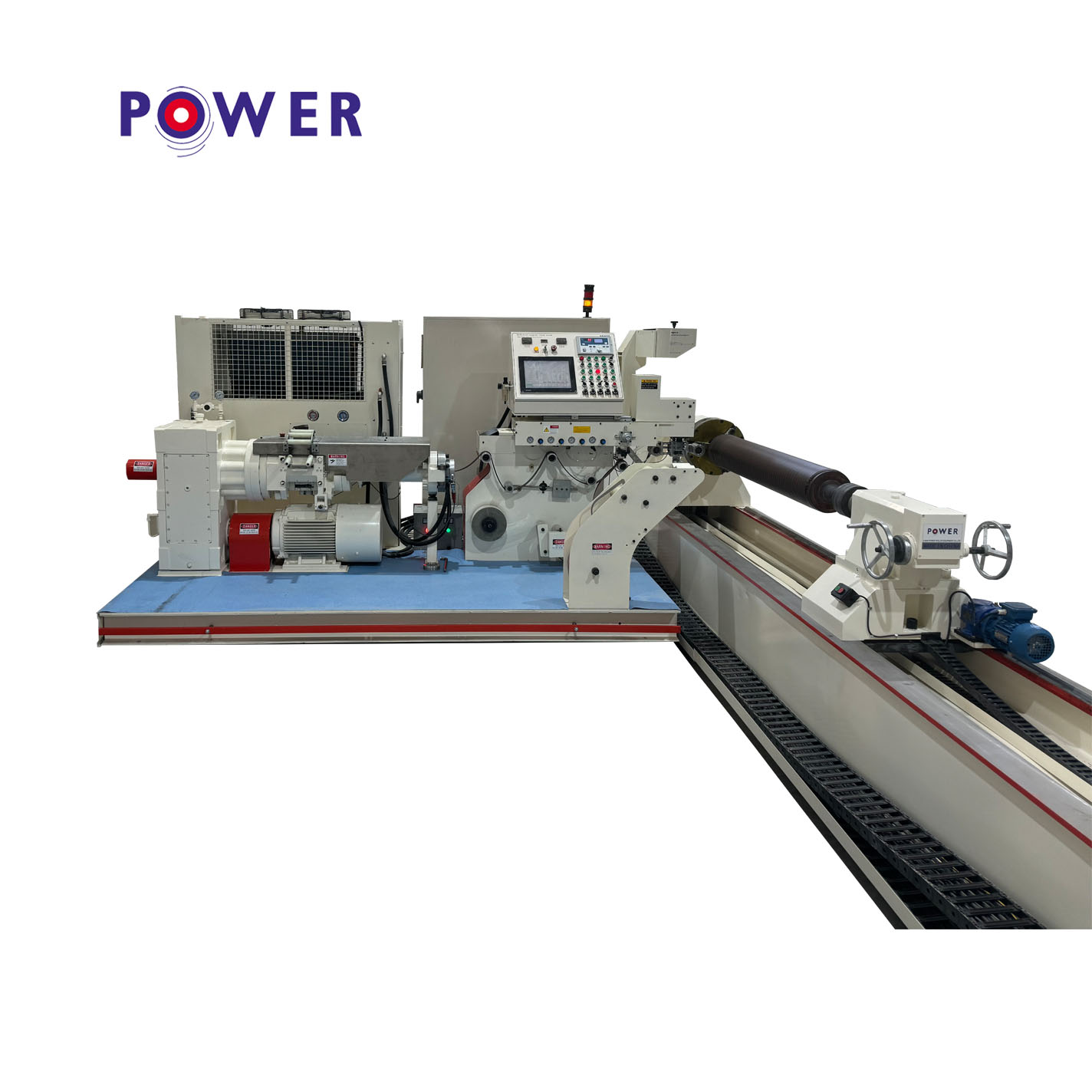
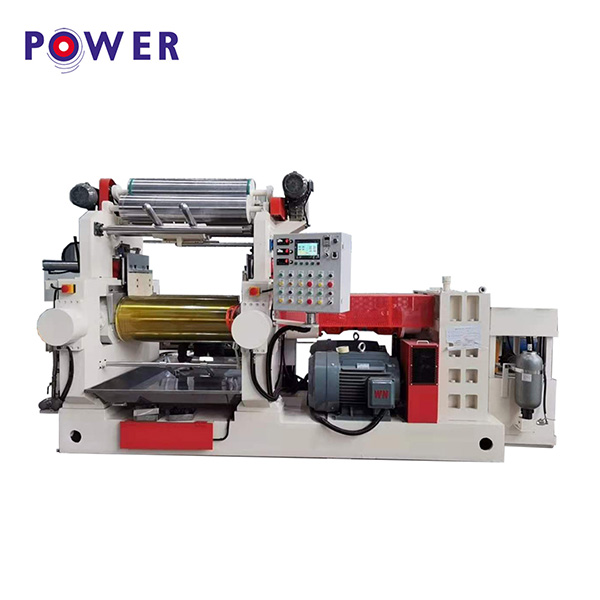
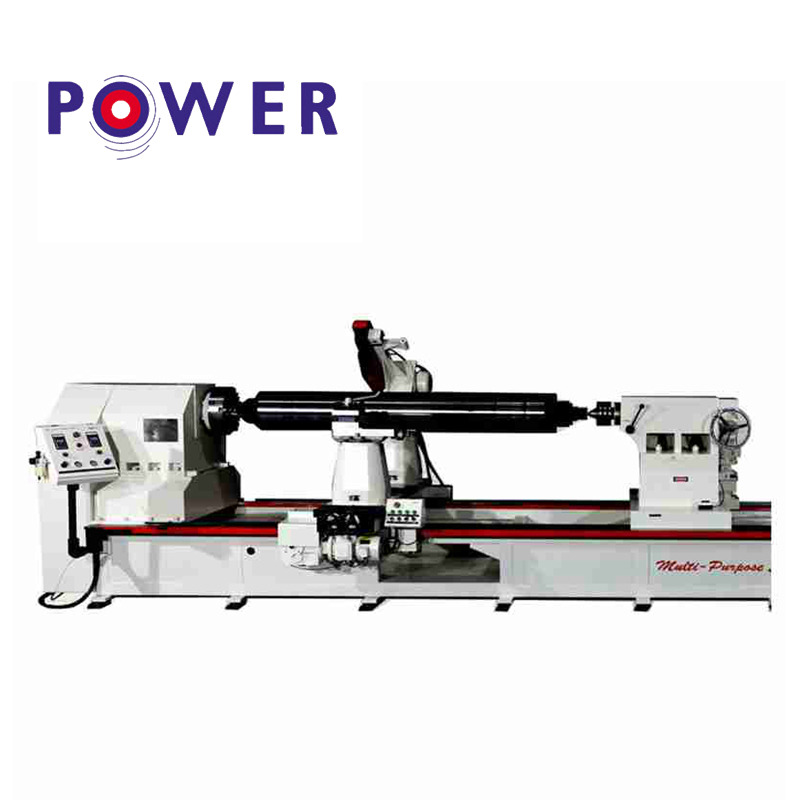
The Critical Role of Paper Rubber Rollers in EPDM & PU Material Processing
In modern industrial manufacturing, the processing of high-performance elastomers like Ethylene Propylene Diene Monomer (EPDM) and Polyurethane (PU) demands an extraordinary level of precision, thermal stability, and mechanical durability. At the heart of these processing lines lies the Paper Rubber Roller—a specialized component engineered to facilitate seamless material handling, coating, laminating, and calendering operations. As industries transition toward automation and Industry 4.0, understanding the synergy between advanced rubber roller machinery and material science becomes vital for achieving optimal production efficiency and superior product quality.
Industrial Overview & Market Dynamics
The global market for EPDM and PU processing is experiencing robust growth, driven by expansion in the automotive, construction, packaging, and papermaking sectors. EPDM is highly valued for its outstanding resistance to heat, ozone, and chemical weathering, making it the material of choice for outdoor seals, roofing membranes, and industrial hoses. Meanwhile, Polyurethane (PU) continues to dominate applications requiring extreme abrasion resistance, load-bearing capacity, and surface elasticity. Processing these distinct polymers requires specialized roller machinery that can maintain uniform pressure distribution, precise temperature control, and zero surface contamination.
Commercial & Industrial Status of Roller Manufacturing
Historically, roller manufacturing relied heavily on manual wrapping, curing, and grinding techniques. However, the commercial landscape today demands high-speed output, strict dimensional tolerances, and long service life. Manufacturers can no longer afford the inconsistencies associated with legacy production methods. To remain competitive, companies are investing in automated Rubber Roller Covering Machines and CNC Grinding/Grooving Machines. These advanced systems ensure that the rubber or polyurethane layer bonded to the metal core is completely homogeneous, free from air pockets, and finished to precise sub-micron tolerances.
Furthermore, the integration of smart sensors and IoT interfaces in modern roller processing machinery allows manufacturers to monitor critical parameters such as temperature gradients, rotational speed, and pressure profiles in real-time. This shift toward intelligent manufacturing not only reduces scrap rates but also minimizes downtime through predictive maintenance protocols.
Deep Application Scenarios: EPDM Processing
Processing EPDM presents unique challenges due to the polymer's high viscosity and vulcanization requirements. The material must be mixed under high shear, extruded or calendered, and then cured under pressure. Here is how advanced roller equipment optimizes this workflow:
- Compounding and Mixing: Utilizing high-torque Pressure Type Mixers and Rubber Mixing Mills ensures that the EPDM compound achieves a uniform distribution of fillers, plasticizers, and curing agents. Dual-motor configurations allow for precise friction ratios between the rolls, optimizing the mastication process.
- Calendering and Sheet Forming: When EPDM is formed into sheets for waterproofing or gasket manufacturing, the calendering rollers must withstand continuous thermal exposure. High-precision CNC grinding machines are used to crown the rollers, compensating for mechanical deflection under heavy loads and ensuring uniform sheet thickness.
- Vulcanization: The covered rollers must undergo controlled thermal curing. Modern Electrical Heating Autoclaves provide a uniform thermal environment, ensuring that the EPDM achieves its optimal cross-linking density, translating to superior elasticity and environmental resistance.
Thermal Control
Advanced internal cooling and heating channels within the roller core prevent thermal degradation of EPDM and PU during high-speed runs.
Surface Precision
Micro-grooving and mirror-polishing technologies eliminate surface defects, ensuring seamless material transfer and release.
Structural Integrity
Heavy-duty steel cores combined with high-performance bonding agents prevent delamination of the rubber cover under high nip pressures.
Deep Application Scenarios: PU (Polyurethane) Processing
Polyurethane is widely applied to rollers used in high-stress environments such as paper mills, steel laminating lines, and printing presses. PU rollers offer up to four times the load-bearing capacity and wear resistance of conventional rubber rollers. However, liquid PU casting and subsequent machining require specialized equipment:
1. Strip and Clean
Before a worn roller can be re-covered, the old PU or rubber layer must be removed. The Rubber Roller Multi-purpose Stripping Machine strips the decayed material efficiently without damaging the underlying metal core, preparing it for sandblasting and adhesive application.
2. Precision Covering and Casting
Unlike rubber, which is often strip-wrapped, polyurethane is frequently cast or ribbon-flow applied. The Rubber Roller Covering Machine must feed the PU prepolymer at a constant temperature and flow rate to avoid air entrapment, which could lead to structural failure under load.
3. Grinding and Grooving to Specification
Once cured, the PU roller must be machined. Because PU is elastomeric yet highly resistant to cutting, standard grinding wheels can cause melting or surface tearing. CNC Large Cylindrical Grinding Machines equipped with specialized abrasive wheels and cooling systems are necessary to achieve the exact profile, whether it requires a straight cylinder, crown, or specific groove patterns (spiral, herringbone, or linear).
Key Technology Trends & Industry 4.0 Integration
The manufacturing of paper rubber rollers is rapidly evolving under the influence of Industry 4.0. Modern production facilities are transitioning from isolated machinery to fully integrated, data-driven ecosystems. Key trends shaping this evolution include:
- Automated Ribbon Flow Technology: This method eliminates the seams and layering defects common in traditional sheet-wrapping methods, providing a perfectly continuous EPDM or PU layer.
- Laser-Assisted Quality Inspection: Integrating non-contact laser measurement systems directly onto CNC grinding machines allows for real-time inspection of diameter, runout, and surface roughness (Ra value), guaranteeing compliance with tight industrial specifications.
- Eco-Friendly Formulations: With rising environmental regulations, there is a strong push toward developing low-VOC polyurethane prepolymers and recyclable rubber compounds, requiring processing machinery that can adapt to varying curing profiles.
Company Profile
Jinan Power Roller Equipment Co., Ltd. — A Legacy of Innovation Since 1998
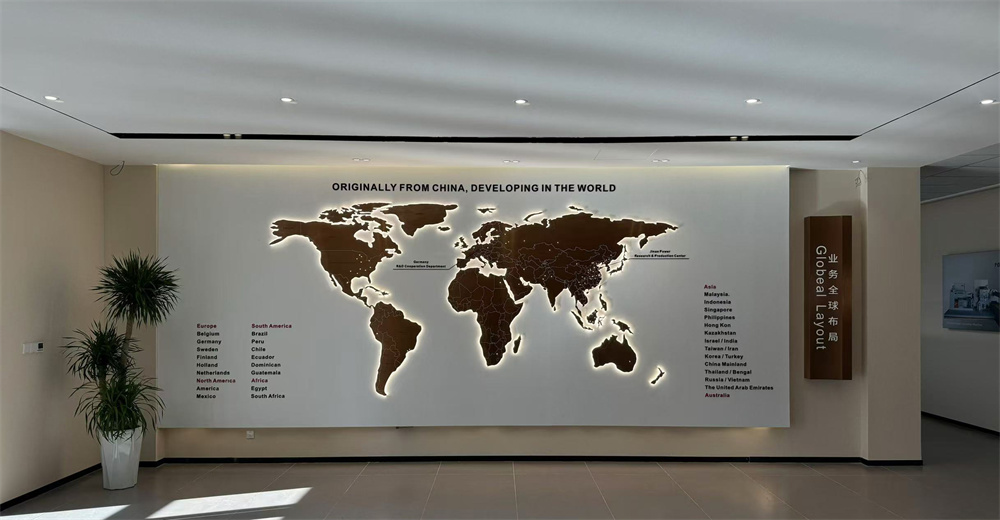
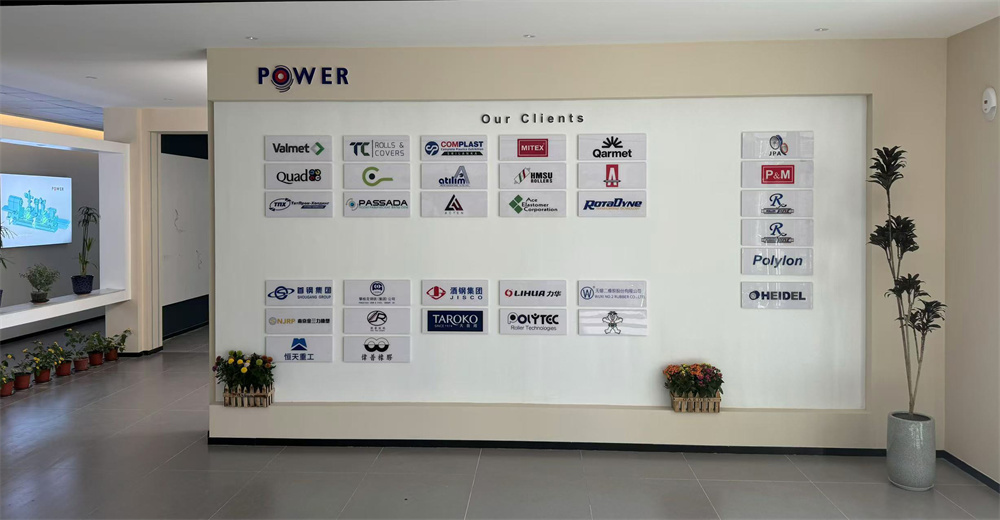
Jinan Power Roller Equipment Co., Ltd. is a professional manufacturer of modern rubber roller equipment integrating scientific research and production. Founded in 1998, the company is the main base for the production of special equipment of rubber rollers in China. Over the past 20 years, the company has not only devoted all its energy to the R&D and manufacturing of equipment, but also constantly researching more perfect production technology.
In recent years, our company are also making contribution to intelligent manufacturing in the rubber roller industry. The Industry 4.0 mode will be applied in our rubber roller production in the near future. Our new generation of rubber roller equipment provides a good platform for intelligent manufacturing. The interconnection between production managers and field operators, data sharing, recording and inspection can be achieved through the operation platform of the equipment, creating good conditions for various control in production.
Our company is supplying rubber roller manufacturers with highly accurate, durable and productive equipment. Our main products including: Rubber Roller Stripping Machine, CNC Grinding/Grooving Machine, CNC Cylindrical Grinder, Rubber Roller Covering Machine, Rubber Roller Polishing Machine, Professional Measuring Instrument, Etc.
In 2000, our products passed the inspection by CCIB Quality Certification Center in accordance with ISO 9001 standards. By using our equipment, you will increase processing efficiency, and raise product quality. Also it can bring much economical benefit.
Customized Solutions
Different industries, specifications, and production needs require different equipment to meet your technics, so customized solutions are crucial. Let's do it for you.


Our Comprehensive Product Range
Explore our highly specialized machinery designed to handle every stage of rubber and polyurethane roller manufacturing.

Rubber Roller CNC High Precision Cylindrical Grinding Machine
Rubber Roller CNC Large Cylindrical Grinding Machine

Multi-functional Roll Grinder

PDM-CNC Porous Drilling Machine

Multifunctional PCM-CNC

Rubber Roller Multi-purpose Stripping Machine

Rubber Roller Covering Machine
Rubber Roller CNC Grinding Machine
Optimizing Roller Lifespan in EPDM & PU Applications
Achieving the perfect rubber-to-metal or PU-to-metal bond is only the first step in ensuring roller longevity. Once in service, these rollers are subjected to continuous mechanical stresses, chemical exposure, and thermal cycling. To optimize lifespan and prevent premature failure, manufacturers must adopt structured preventive maintenance routines. This includes regular surface inspections using precision measuring instruments, dynamic balancing to prevent vibration at high operating speeds, and timely regrinding to eliminate micro-cracks and restore the original profile.
Using high-precision Rubber Roller Measuring Machines allows operators to detect minor deviations in concentricity or diameter before they impact product quality. By utilizing CNC grinding technology, operators can restore the roll's profile with minimal material removal, maximizing the number of times a roller can be re-machined before requiring a complete strip and re-cover.
Conclusion: The Path Forward with Jinan Power Roller Equipment
As the demand for high-performance materials like EPDM and Polyurethane continues to rise, the role of specialized processing machinery becomes increasingly critical. Jinan Power Roller Equipment Co., Ltd. remains at the forefront of this industry, delivering innovative solutions that merge mechanical engineering with digital intelligence. By providing highly accurate, durable, and productive equipment, the company enables global manufacturers to meet the challenges of tomorrow while maintaining excellent economic efficiency today.
-

WeChat
WeChat

-

Watsapp
Watsapp

-

TEL
-

E-mail