
The Critical Role of Paper Rubber Roller Compounds in Plastic Film Lamination
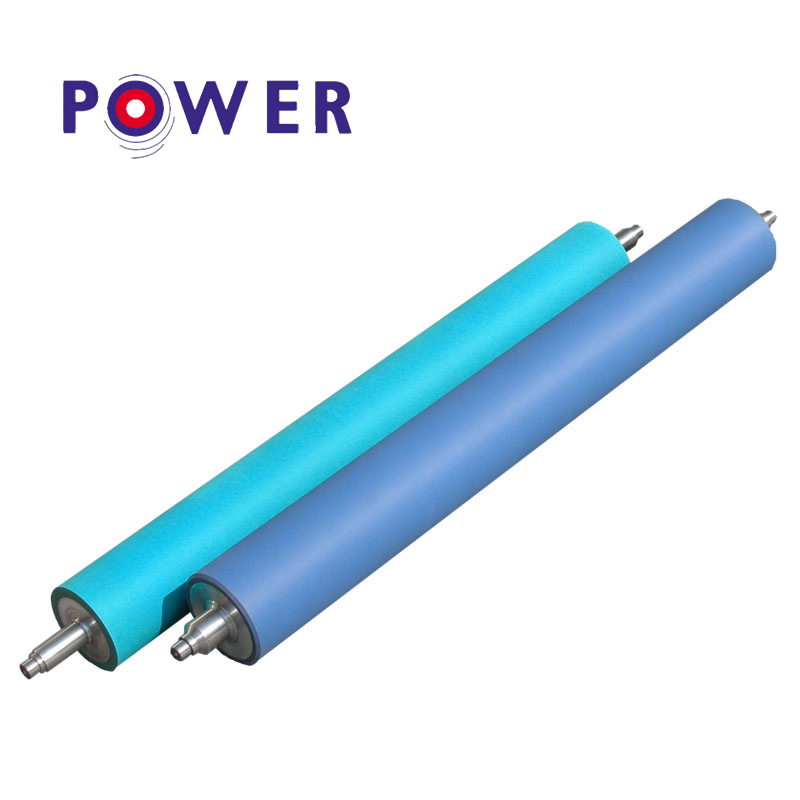
In the modern packaging and manufacturing sectors, the demand for high-quality composite materials has skyrocketed. Among these, the process of laminating plastic films onto paper substrates stands out as a critical operation. The success of this process hinges directly on the performance of the laminating rollers, which are coated with specialized paper rubber roller compounds. These elastomeric compounds are specifically formulated to withstand the intense thermal, chemical, and mechanical stresses encountered during high-speed lamination runs.
Plastic film lamination involves bonding a thin polymer sheet (such as BOPP, PET, or PE) onto a paper web using heat, pressure, and adhesives. The rubber roller serves as the pressure mechanism, ensuring uniform contact across the entire width of the web. Any variation in hardness, thermal conductivity, or surface finish of the rubber compound can result in defects such as air bubbles, wrinkles, uneven bonding, or optical haze. Therefore, selecting and processing the correct rubber compound is paramount to achieving zero-defect production.
Thermal Stability
Lamination often operates at elevated temperatures to activate thermal adhesives. Compounds must maintain their physical properties without hardening or degrading.
Chemical Resistance
Exposure to solvent-based or solventless adhesives requires the rubber compound to resist swelling, degradation, and chemical attack over long operational cycles.
Electrostatic Control
High-speed movement of plastic film generates significant static. Formulating compounds with conductive properties prevents discharge accidents and dust attraction.
Company Profile
Jinan Power Roller Equipment Co., Ltd.
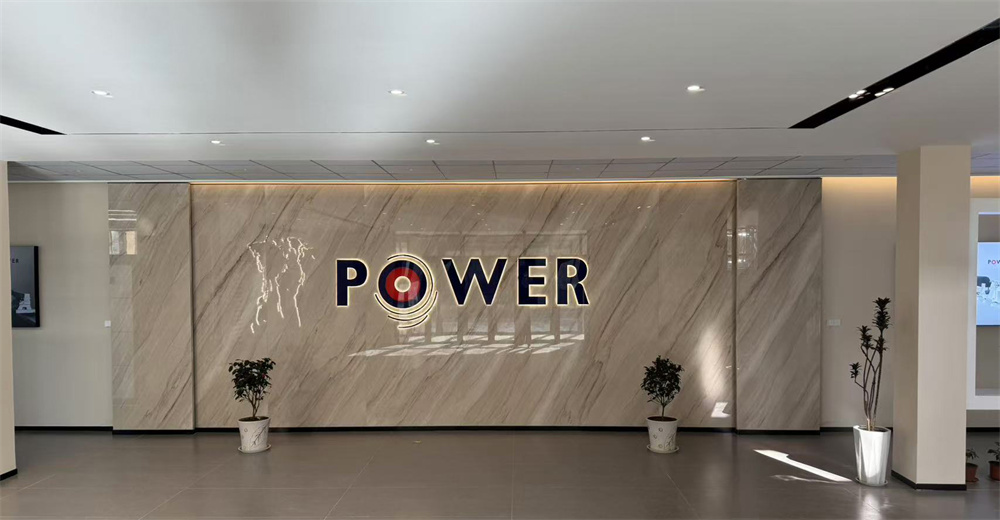
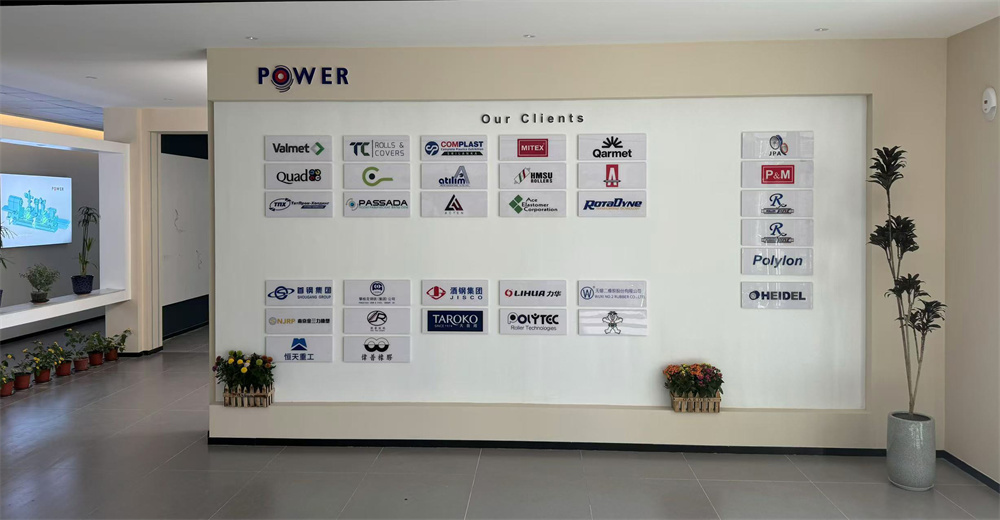
Jinan Power Roller Equipment Co., Ltd. is a professional manufacturer of modern rubber roller equipment integrating scientific research and production. Founded in 1998, the company is the main base for the production of special equipment of rubber rollers in China. Over the past 20 years, the company has not only devoted all its energy to the R&D and manufacturing of equipment, but also constantly researching more perfect production technology.
In recent years, our company are also making contribution to intelligent manufacturing in the rubber roller industry. The Industry 4.0 mode will be applied in our rubber roller production in the near future.
Our new generation of rubber roller equipment provides a good platform for intelligent manufacturing. The interconnection between production managers and field operators, data sharing, recording and inspection can be achieved through the operation platform of the equipment, creating good conditions for various control in production.
Our company is supplying rubber roller manufacturers with highly accurate, durable and productive equipment. Our main products including: Rubber Roller Stripping Machine, CNC Grinding/Grooving Machine, CNC Cylindrical Grinder, Rubber Roller Covering Machine, Rubber Roller Polishing Machine, Professional Measuring Instrument, Etc.
In 2000, our products passed the inspection by CCIB Quality Certification Center in accordance with ISO 9001 standards. By using our equipment, you will increase processing efficiency, and raise product quality. Also it can bring much economical benefit.

Industrial Status & Global Market Trends
The global lamination market is shifting rapidly towards high-speed, solventless, and eco-friendly manufacturing technologies. Consequently, the demand for advanced rubber compounds has experienced a paradigm shift. Traditional rubber formulations are no longer sufficient to meet the strict requirements of modern co-extrusion and adhesive lamination processes.
Currently, manufacturers are focusing heavily on synthetic elastomer blends, such as Carboxylated Nitrile (XNBR), Hydrogenated Nitrile (HNBR), and high-performance Silicone rubbers. These materials provide superior mechanical properties, including high abrasion resistance and low heat buildup (hysteresis). Lower hysteresis is critical because high-speed rotation generates friction-induced heat within the rubber layer, which can cause thermal expansion and alter the nip pressure, leading to uneven lamination.
Another critical trend is the transition toward Industry 4.0 in rubber roller production. Smart lamination systems now require rollers with integrated sensors or highly predictable wear characteristics. Precision manufacturing equipment from Jinan Power Roller Equipment Co., Ltd. enables producers to achieve extremely tight tolerances on roller geometry and surface roughness. This ensures that the rubber coating performs optimally, minimizing downtime and material waste in the lamination line.
Rubber Roller Processing Machine Portfolio
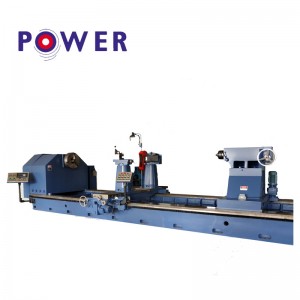
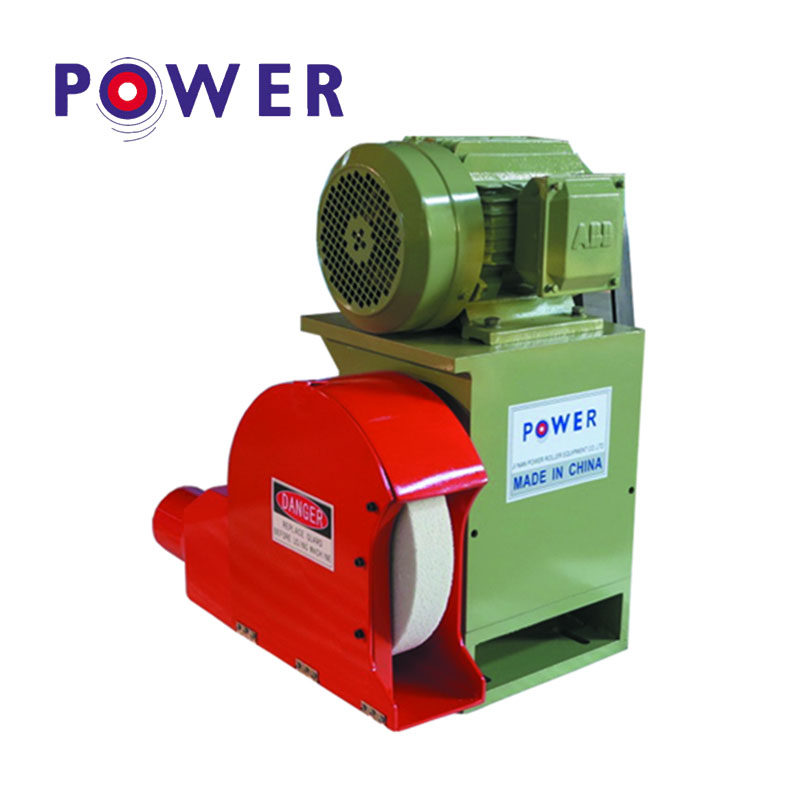
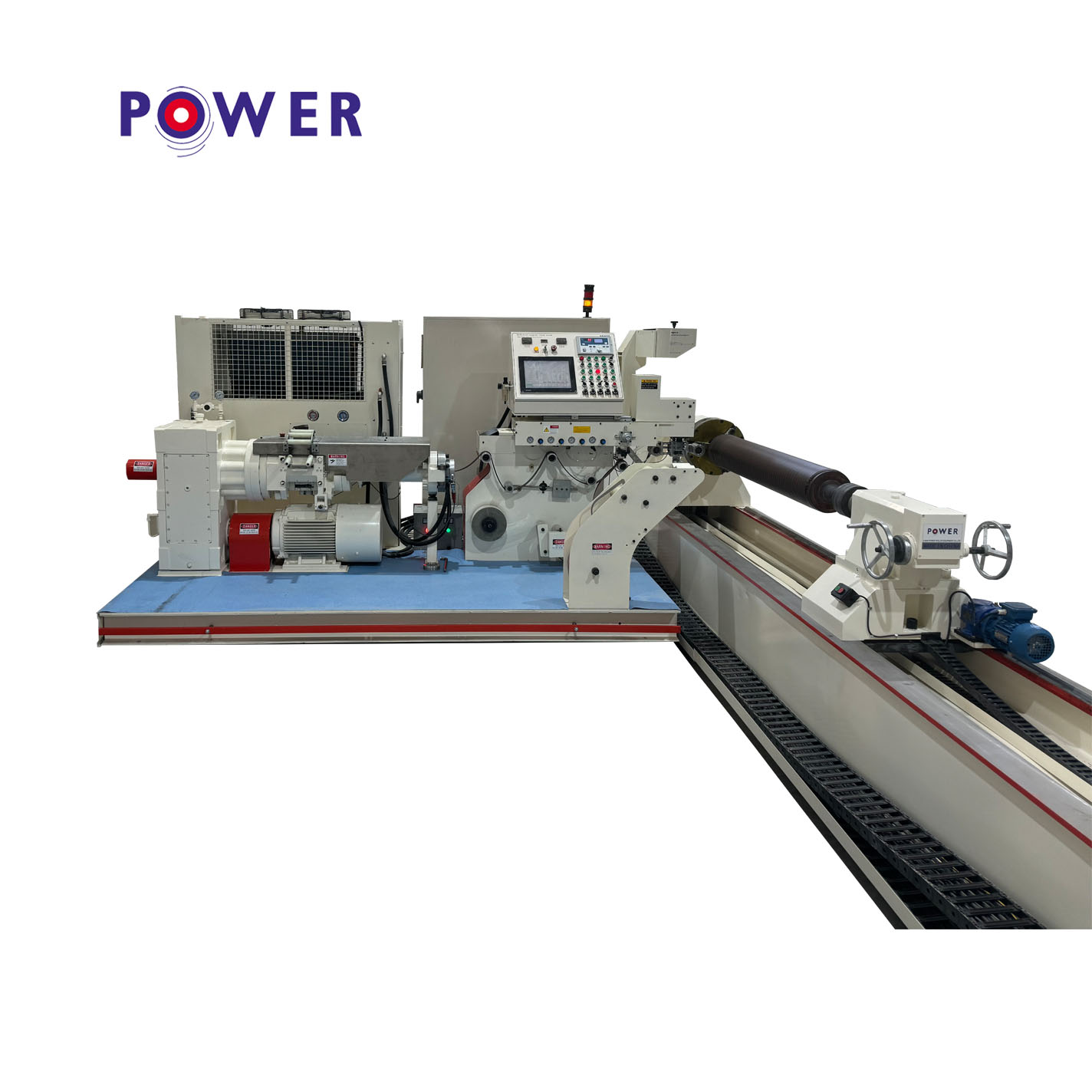
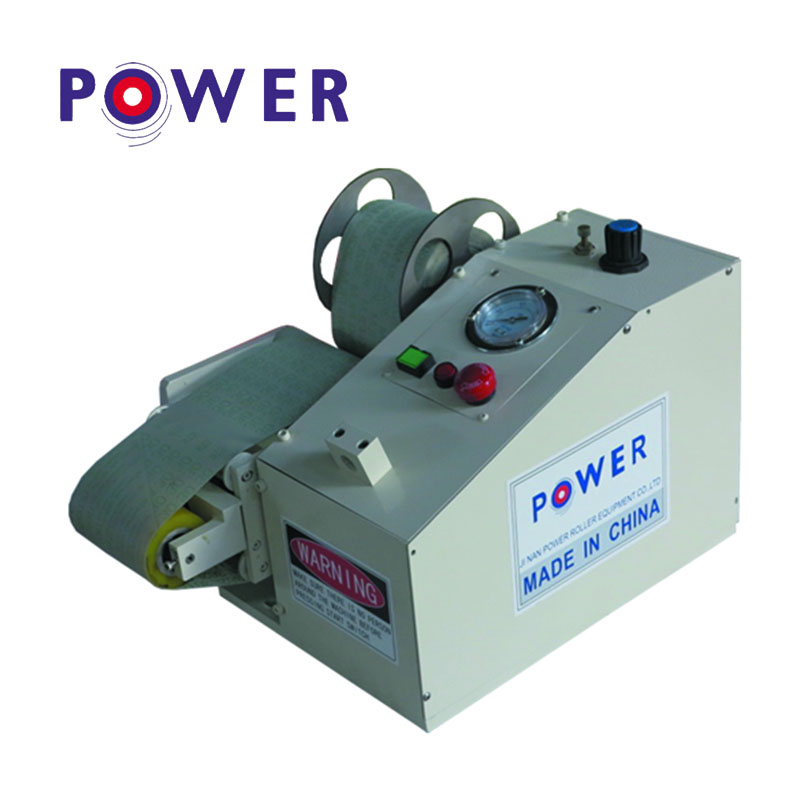
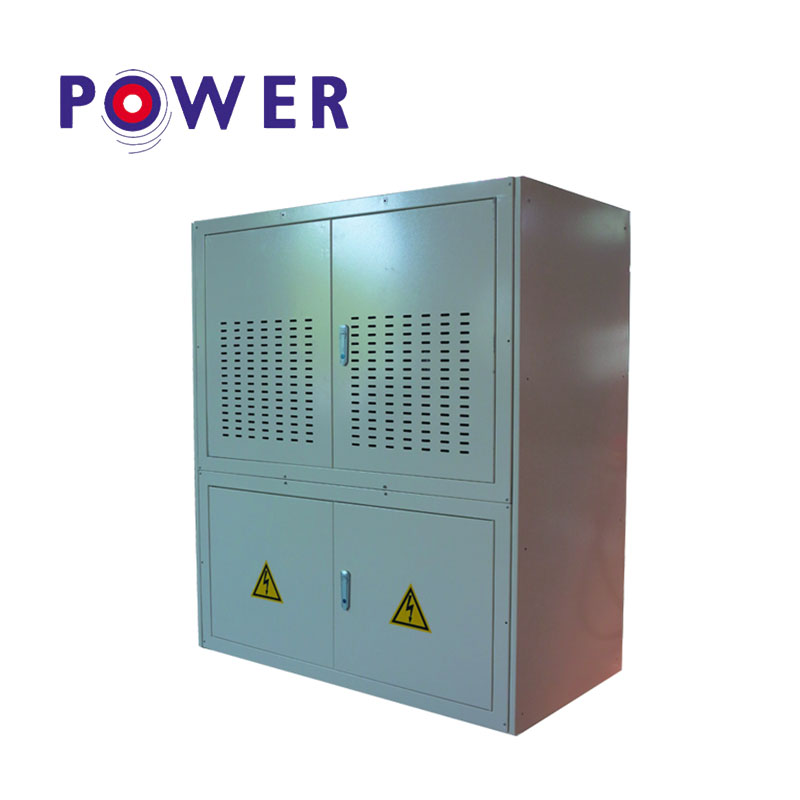
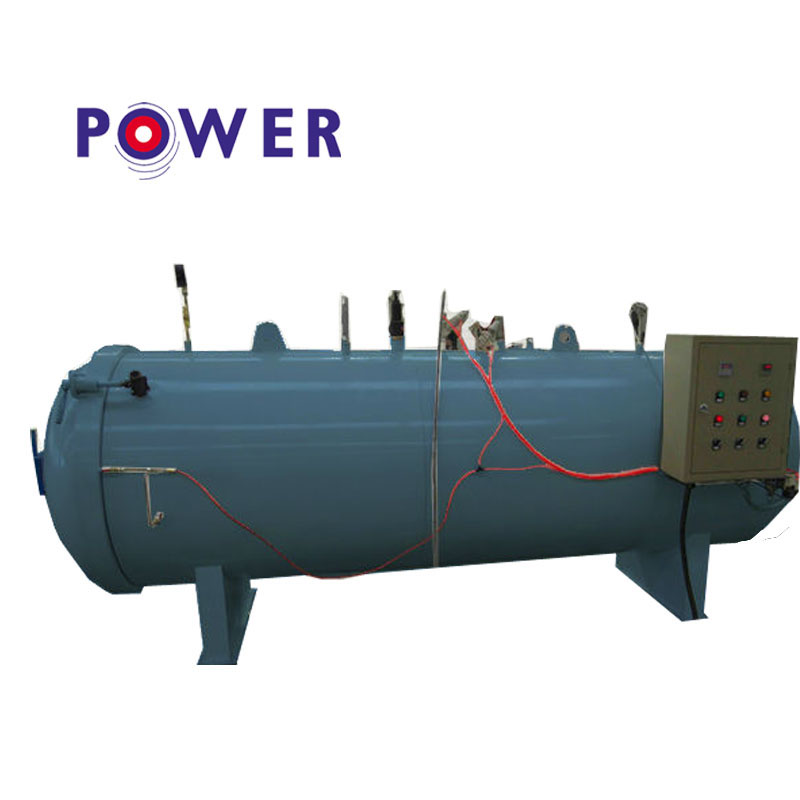
To achieve the precise properties required by advanced paper rubber roller compounds, state-of-the-art machinery is essential. Below is our comprehensive range of specialized processing, grinding, covering, and measuring equipment designed to optimize roller manufacturing.





Deep Application Scenarios of Lamination Rubber Rollers
1. Flexible Packaging Lamination
In the flexible packaging industry, multi-layer films are laminated to preserve food products, medical devices, and sensitive chemicals. The rubber roller compound used here must ensure absolute uniform pressure distribution. Any micro-defect or variance in the roller surface can lead to localized delamination, compromising the barrier properties of the package. Using a high-precision CNC cylindrical grinder ensures the rubber surface has the exact profile required for consistent pressure.
2. Thermal Film Lamination for Print Finishing
In print finishing, plastic film is laminated onto printed paper to enhance durability and aesthetics (glossy or matte finishes). This process runs at high temperatures to melt the thermal adhesive layer on the film. The rubber compound must possess excellent thermal conductivity to transfer heat uniformly from the internal heating system of the roller to the film interface, preventing cold spots and incomplete adhesion.
3. High-Speed Industrial Extrusion Lamination
Extrusion lamination involves extruding molten polymer directly between a paper web and a backing film. The nip roller, coated with a specialized rubber compound, faces extreme thermal shock as the molten polymer (often over 200°C) passes through the nip. The compound must resist thermal degradation, release molten plastic easily without sticking, and maintain its structural integrity under intense continuous mechanical load.
Customized Solutions & Production Excellence
Every industrial application requires a specific set of parameters for the rubber roller compound. Hardness (typically measured in Shore A), surface roughness (Ra value), and crown profile are the three pillars of roller design. A roller with a compound that is too soft will deform excessively, narrowing the nip width and causing film stretching. Conversely, a compound that is too hard will not conform to the minor thickness variations of the paper web, causing voids.
To address these challenges, Jinan Power Roller Equipment Co., Ltd. provides customized solutions. Our Rubber Roller Covering Machine ensures that the compound is applied without air pockets or internal stresses. Following the vulcanization process in our Electrical Heating Autoclave, the roller is finished using our CNC Grinding and Polishing Machines to achieve the exact geometric specifications and surface roughness required for high-speed plastic film lamination.
Furthermore, our Surface Roughness Testing Machine and professional measuring instruments guarantee that every roller meets the high standards of modern converting lines. By integrating these advanced machines into your production flow, you can achieve the perfect surface finish, eliminate scrap, and significantly boost your operational efficiency.
Complete Rubber Roller Production & Processing Equipment
-

WeChat
WeChat

-

Watsapp
Watsapp

-

TEL
-

E-mail