
Featured Precision Equipment
The Critical Role of Rubber Roller Polishers in Modern Packaging
In the fast-paced world of industrial packaging, consistency and precision are the cornerstones of productivity. Packaging production lines—ranging from high-speed flexographic printing and solventless lamination to film extrusion and slitting—rely heavily on rubber rollers. These rollers act as the primary contact mechanism to transport, squeeze, coat, and print on delicate substrates such as thin polymer films, paperboards, and metal foils.
However, the performance of any rubber roller is fundamentally limited by its surface finish. This is where the Rubber Roller Polisher For Packaging Production Lines becomes indispensable. Even minor micro-irregularities, concentricity issues, or surface roughness deviations can result in catastrophic defects: ink starvation, air bubbles in laminates, tracking errors, or premature web breaks. Advanced polishing machines deliver the exact surface geometry and finish (measured in sub-micron Ra values) required to optimize web tension and guarantee flawless material transfer.
High-Speed Adaptation
Modern packaging lines exceed speeds of 800m/min. Perfectly polished rollers eliminate vibration and ensure continuous, stable operation.
Micron Precision
Sub-micron surface roughness (Ra) control guarantees uniform pressure distribution during lamination and coating processes.
Intelligent Controls
Integration of CNC systems allows operators to program specific polishing profiles for different elastomeric compounds.
Industrial Status & Global Packaging Trends
The packaging sector is undergoing a massive transformation driven by e-commerce expansion, food safety regulations, and the global push for sustainable, thinner, and recyclable substrates. Monomaterial films and biodegradable barriers are increasingly favored, yet these materials exhibit unique mechanical properties. They are highly sensitive to temperature and tension variations, making the mechanical accuracy of processing machinery more critical than ever.
Consequently, the demand for high-performance Rubber Roller Polishers has surged globally. Today's commercial landscape no longer accepts manual or semi-automated polishing methods, which are prone to human error and inconsistent profiles. Instead, packaging manufacturers are investing heavily in automated, CNC-controlled grinding and polishing systems. These systems deliver repeatable tolerances, dramatically reduce downtime, and prolong the service life of expensive rubber rollers by allowing precise re-conditioning cycles.
Furthermore, the integration of smart sensors and IoT connectivity is redefining maintenance schedules. Instead of waiting for visible print defects or thickness deviations to appear, manufacturers utilize digital twins and laser measurement profiles to determine exactly when a roller requires re-polishing. This predictive maintenance strategy saves thousands of dollars in wasted materials and unplanned downtime.
Deep Dive: Application Scenarios in Packaging Lines
1. Flexible Packaging Lamination
Lamination lines join multiple layers of film, foil, or paper to create high-barrier packaging. The nip roller, typically covered in high-durability polyurethane (PU) or nitrile rubber, must exert uniform pressure across the entire web width. If the roller surface has micro-grooves or is slightly crowned incorrectly, it traps air pockets, leading to delamination. A precision-polished roller ensures absolute contact uniformity, eliminating cosmetic and structural defects.
2. High-Speed Gravure and Flexographic Printing
In flexography, the impression cylinder and ink transfer rollers must have a strictly controlled surface profile. A polished rubber roller maintains an exact ink film thickness. If the surface is too rough, it holds excess ink, causing dot gain and blurry prints. If it is too smooth, ink starvation occurs. CNC polishing allows operators to customize the micro-texture (Ra value) of the rubber surface to match specific ink viscosities and printing speeds.
3. Extrusion Coating and Film Blowing
During film extrusion, molten polymer is extruded onto a substrate and passed through a chill roll and a rubber pressure roll. Any surface imperfection on the rubber roller is instantly embossed onto the hot, sensitive polymer film. High-gloss or matte finishes on the packaging film are directly determined by the polishing quality of these rollers.
Company Profile: Jinan Power Roller Equipment Co., Ltd.
Jinan Power Roller Equipment Co., Ltd. is a professional manufacturer of modern rubber roller equipment integrating scientific research and production. Founded in 1998, the company is the main base for the production of special equipment of rubber rollers in China. Over the past 20 years, the company has not only devoted all its energy to the R&D and manufacturing of equipment, but also constantly researching more perfect production technology.
In recent years, our company are also making contribution to intelligent manufacturing in the rubber roller industry. The Industry 4.0 mode will be applied in our rubber roller production in the near future.
Our new generation of rubber roller equipment provides a good platform for intelligent manufacturing. The interconnection between production managers and field operators, data sharing, recording and inspection can be achieved through the operation platform of the equipment, creating good conditions for various control in production.
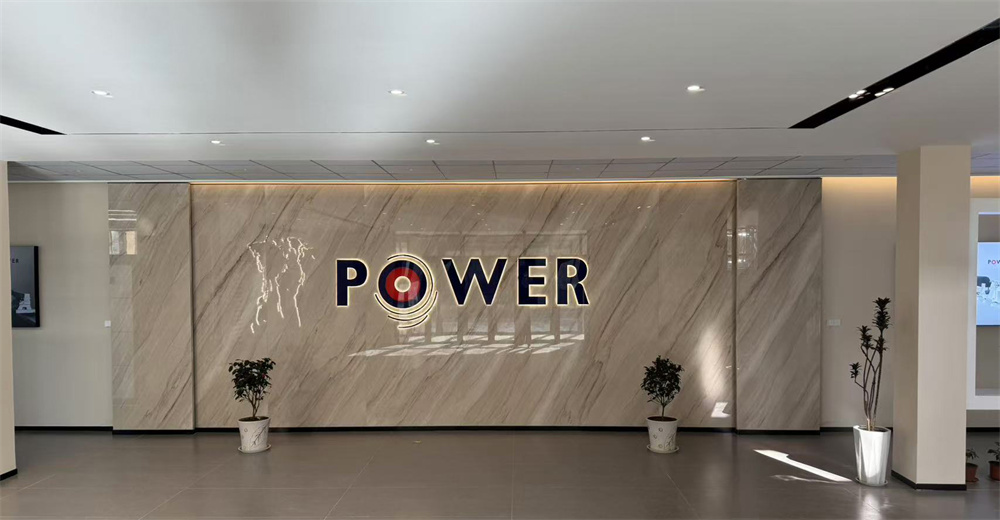
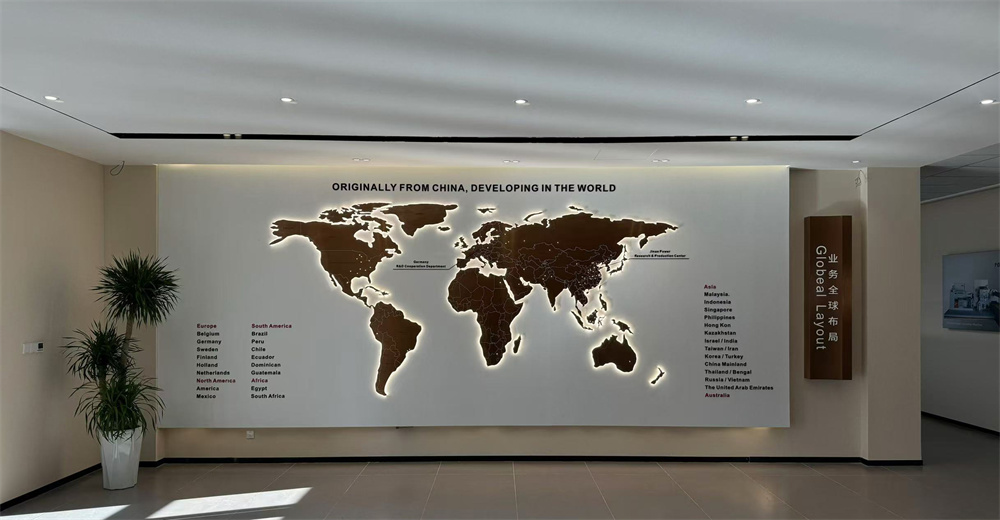
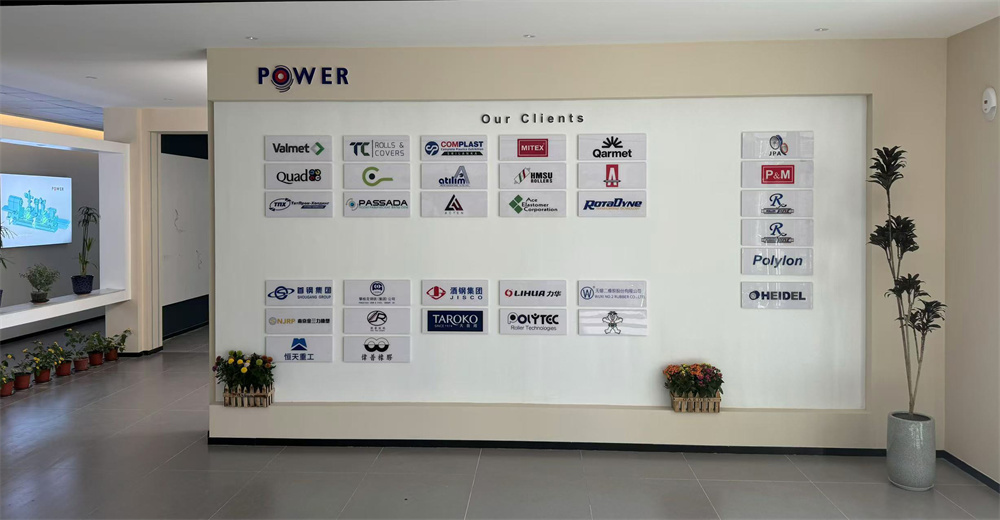
Our company is supplying rubber roller manufacturers with highly accurate, durable and productive equipment. Our main products including: Rubber Roller Stripping Machine, CNC Grinding/Grooving Machine, CNC Cylindrical Grinder, Rubber Roller Covering Machine, Rubber Roller Polishing Machine, Professional Measuring Instrument, Etc.
In 2000, our products passed the inspection by CCIB Quality Certification Center in accordance with ISO 9001 standards. By using our equipment, you will increase processing efficiency, and raise product quality. Also it can bring much economical benefit.
Customized Engineering Solutions & Industry 4.0
Different industries, specifications, and production needs require different equipment to meet your technics, so customized solutions are crucial. Let's do it for you. We understand that a roller used in food-grade packaging lamination has vastly different material and finish requirements compared to a heavy-duty roller utilized in steel processing or paper mills.
Our CNC grinding and polishing machines feature customizable software profiles that allow operators to input specific parameters such as rubber hardness (Shore A), roller diameter, and target roughness. The machine automatically calculates the optimal wheel speed, feed rate, and oscillation pattern. This level of customization ensures that whether you are processing MDI polyurethane, natural rubber, or synthetic silicones, the resulting surface is perfectly tailored to your application.
By embracing Industry 4.0, Jinan Power Roller Equipment is bridging the gap between mechanical hardware and digital intelligence. Our machines feature real-time data logging, remote diagnostics, and cloud-based performance tracking. This allows factory managers to monitor production efficiency, track roller wear patterns, and schedule maintenance with unprecedented accuracy, paving the way for fully autonomous smart factories.
Our Complete Product Range
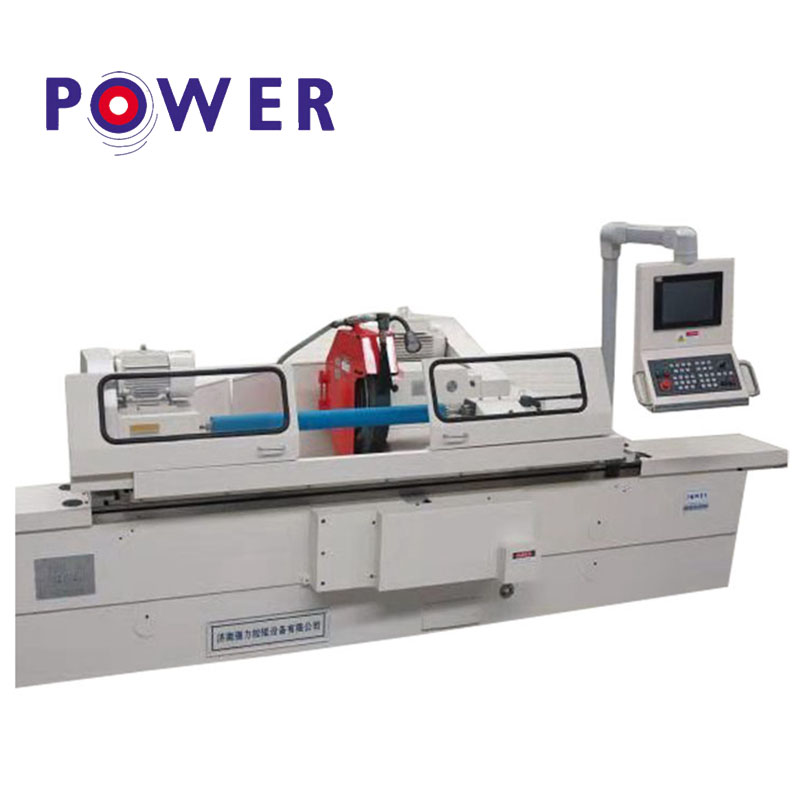
Rubber Roller CNC High Precision Cylindrical Grinding Machine
Explore DetailsChinese Professional MDI PU - Materials for Rubber Roller - Power
Explore Details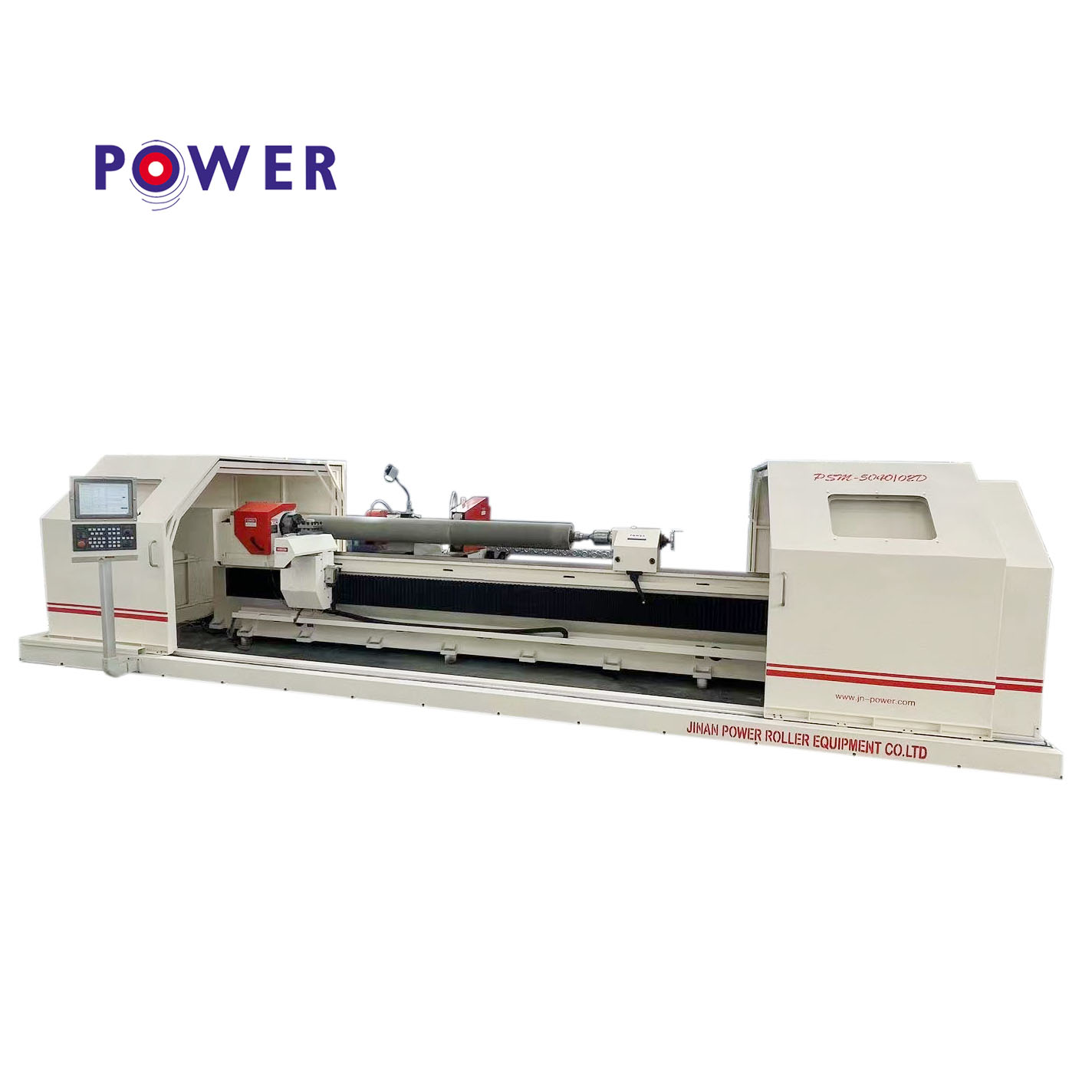
Multi-functional Cylindrical Grinder
Explore DetailsNew Arrival China Lab Kneader Mixer - Rubber Mixing Mill (Two Motors & Two Output) - Power
Explore DetailsLowest Price for Rubber Roller CNC Groover - Rubber Roller Multi-purpose Stripping Machine - Power
Explore Details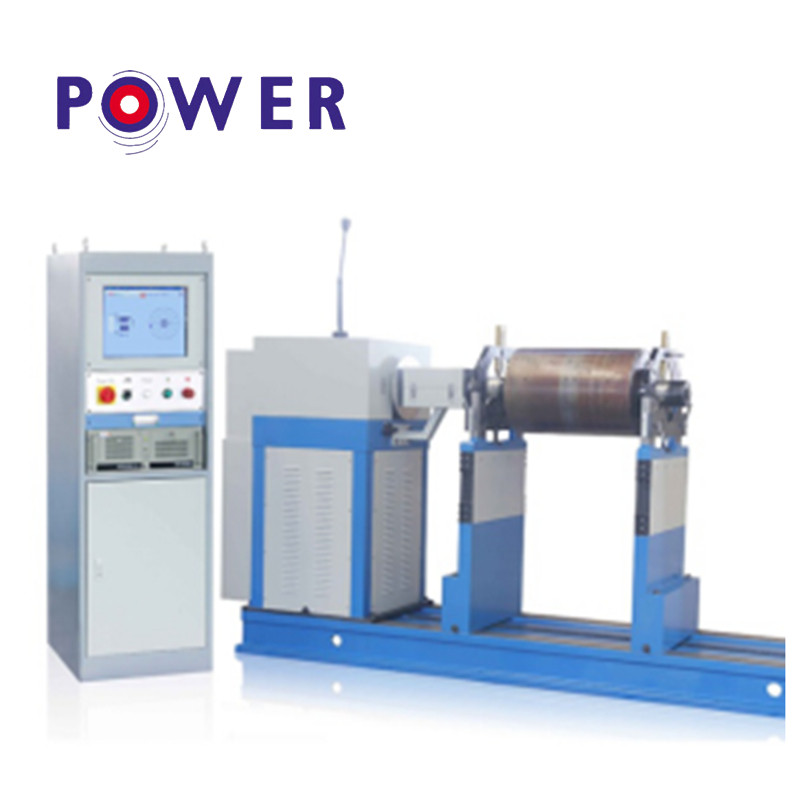
Balance Machine
Explore Details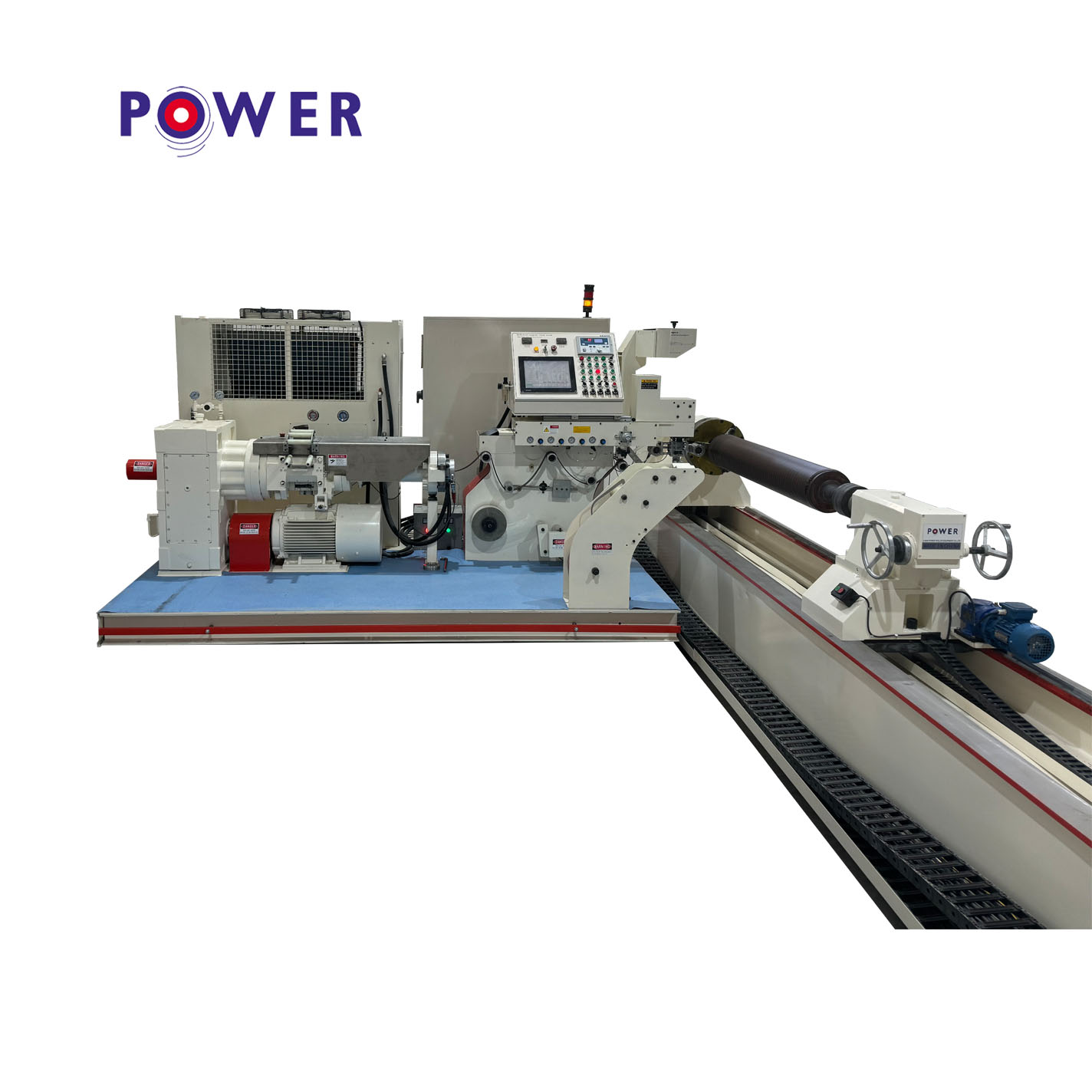
Rubber Roller Covering Machine
Explore Details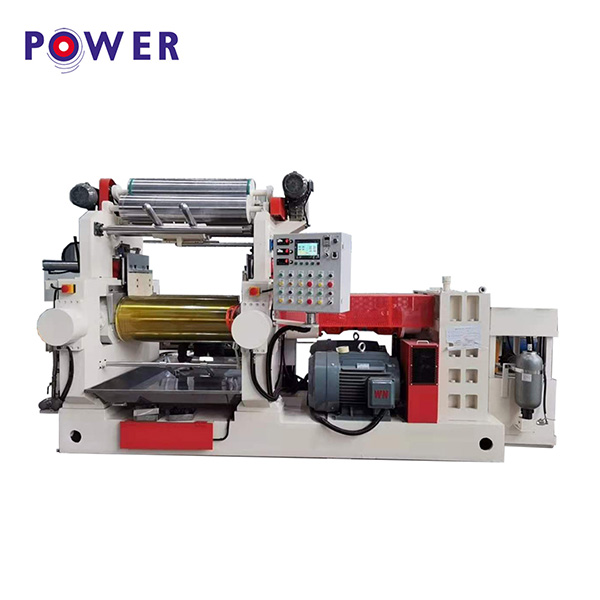
Lab-use Rubber Mixing Mill (Double Output)
Explore Details-

WeChat
WeChat

-

Watsapp
Watsapp

-

TEL
-

E-mail