
Featured Rubber Roller Processing Equipment
Explore our core equipment designed for the precision manufacturing, maintenance, and surface preparation of industrial rubber rollers.
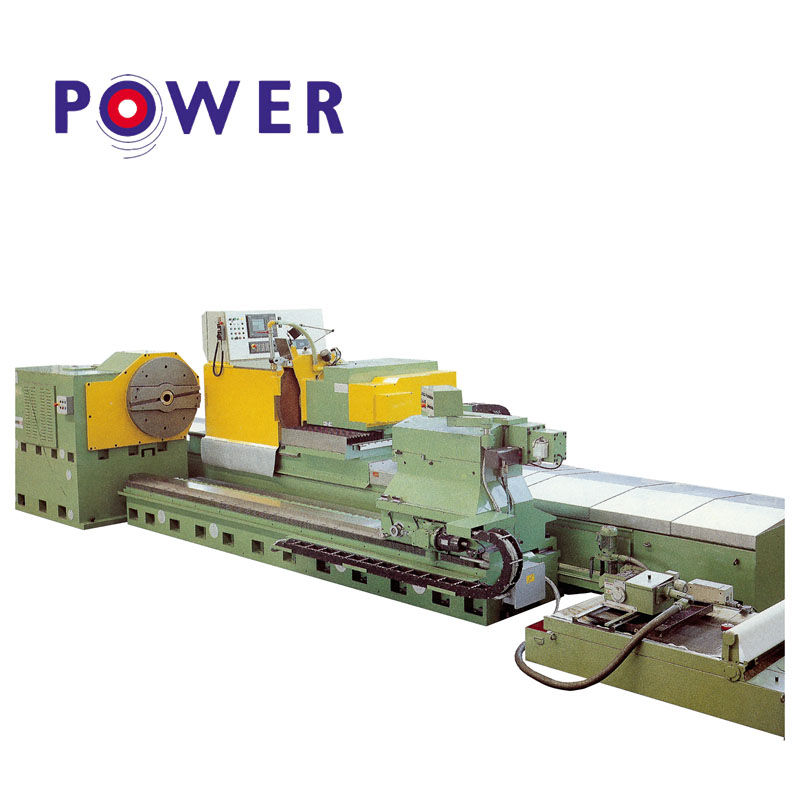
Deep-Dive: The Role of Rubber Roller Nylon Tape in the Printing Industry
In modern industrial commercial printing, the demand for precision, consistency, and speed has never been higher. At the heart of this process lies the rubber roller—a critical component responsible for ink distribution, material feeding, and substrate tension control. However, the quality of a rubber roller is determined long before it is mounted onto a flexographic, gravure, or offset press. The manufacturing, vulcanization, and finishing processes dictate its performance. This is where Rubber Roller Nylon Tape plays a vital, yet often unsung, role.
The Vulcanization Curing Process and Nylon Wrapping
During the manufacturing of rubber rollers, raw rubber compounds are extruded or wrapped around a metal core. Before these rollers can be put to work, they must undergo vulcanization—a chemical process where heat and pressure transform the soft, tacky rubber into a durable, elastomeric material. To achieve this, the uncured roller is tightly wrapped with high-tensile nylon tape. The tape exerts continuous, uniform pressure on the rubber layer, keeping it firmly pressed against the steel core.
Nylon is chosen because of its unique thermal and mechanical properties. Under vulcanization temperatures (typically ranging from 130°C to 160°C), nylon tape undergoes a controlled thermal shrinkage. This shrinkage increases the compressive force on the rubber, driving out trapped air and volatiles. The result is a highly dense, void-free rubber layer with uniform hardness (Durometer) across the entire length of the roller. Once curing is complete, the nylon tape is stripped off using specialized stripping machines, leaving a textured surface ready for precision grinding.
Industrial Applications in Modern Printing Presses
In the printing industry, rubber rollers wrapped and finished using high-quality nylon tape processes are utilized in several critical areas:
- Gravure Printing: Gravure processes rely on high pressure to transfer ink from the cells of an engraved cylinder directly to the web substrate. The impression rollers must have absolute structural uniformity to prevent uneven ink transfer and wrinkling.
- Flexography: Flexo printing uses elastomeric plates and rubber rollers for ink metering (anilox transfers) and impression. Even minor variations in roller density can lead to color fluctuations and dot gain.
- Offset Printing: Ink distribution rollers must maintain consistent contact and chemistry with water and oil-based inks. Proper vulcanization prevents chemical swelling and premature wear.
- Lamination & Coating: In flexible packaging, rubber rollers apply thin adhesives. Any surface imperfection or uneven pressure can result in delamination bubbles or coating streaks.
Key Industry Trends & Market Outlook
The global commercial printing market is shifting rapidly towards digital integration, shorter run lengths, and sustainable chemistries. This transformation has placed new demands on rubber roller manufacturers. Modern printing inks—especially UV-curable, water-based, and electron beam (EB) inks—contain aggressive solvents and monomers that can degrade standard rubber rollers. To combat this, manufacturers are developing advanced synthetic rubber compounds (such as EPDM, NBR, and Polyurethane) that require precise curing cycles. Consequently, the demand for high-strength, heat-stabilized nylon wrapping tapes that can withstand multiple curing cycles without losing elasticity has grown significantly. Furthermore, sustainability initiatives have driven the industry to seek reusable nylon tapes to minimize production waste.
Company Profile
Jinan Power Roller Equipment Co., Ltd.
Founded in 1998, Jinan Power Roller Equipment Co., Ltd. is a professional manufacturer of modern rubber roller equipment integrating scientific research, design, and production. We are recognized as the main base for the production of special equipment for rubber rollers in China. Over the past 20 years, our company has not only devoted all its energy to the R&D and manufacturing of equipment, but also constantly researching more perfect production technology.
In recent years, our company has also been making significant contributions to intelligent manufacturing in the rubber roller industry. The Industry 4.0 mode will be applied in our rubber roller production in the near future. Our new generation of rubber roller equipment provides an exceptional platform for intelligent manufacturing. The interconnection between production managers and field operators, data sharing, recording, and inspection can be achieved through the operation platform of our equipment, creating optimal conditions for precise quality control in production.
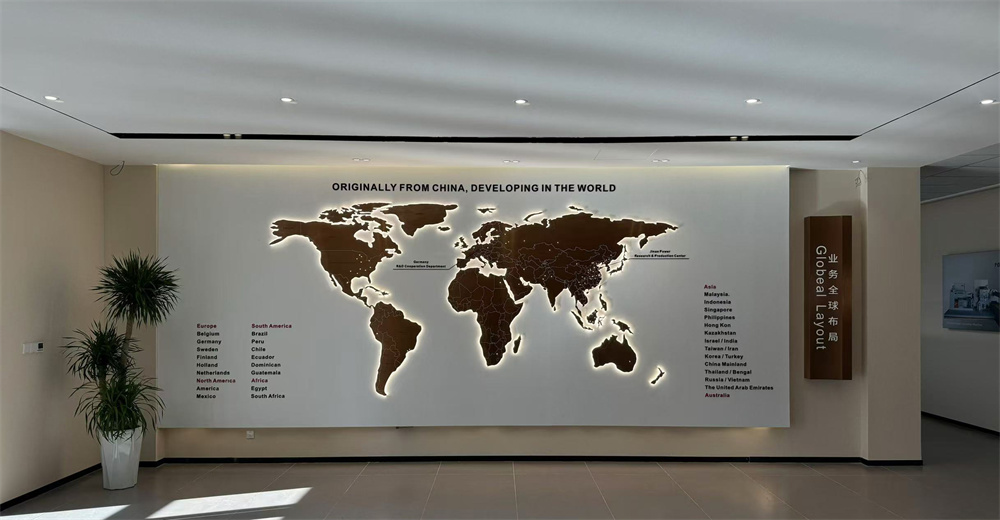
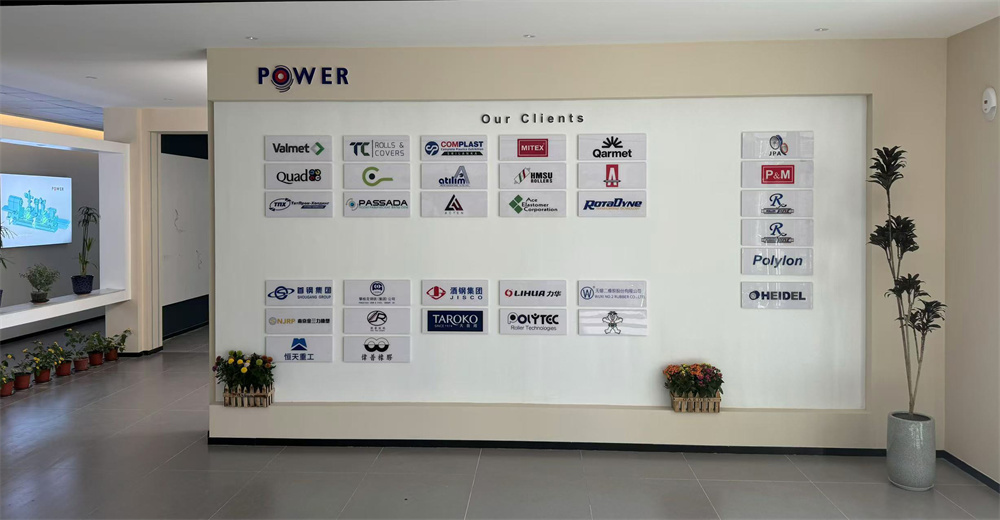
Our company is supplying rubber roller manufacturers globally with highly accurate, durable, and productive equipment. In 2000, our products successfully passed the inspection by the CCIB Quality Certification Center in accordance with ISO 9001 standards. By utilizing our advanced equipment, you will significantly increase processing efficiency, raise product quality, and secure substantial economic benefits.
Advanced Manufacturing: From Strip Wrapping to Precision Grinding
The production of high-performance printing rollers involves several sequential operations. Each step relies on specialized machinery to ensure the final product meets the tight tolerances required by high-speed presses.
1. Rubber Compound Preparation and Extrusion
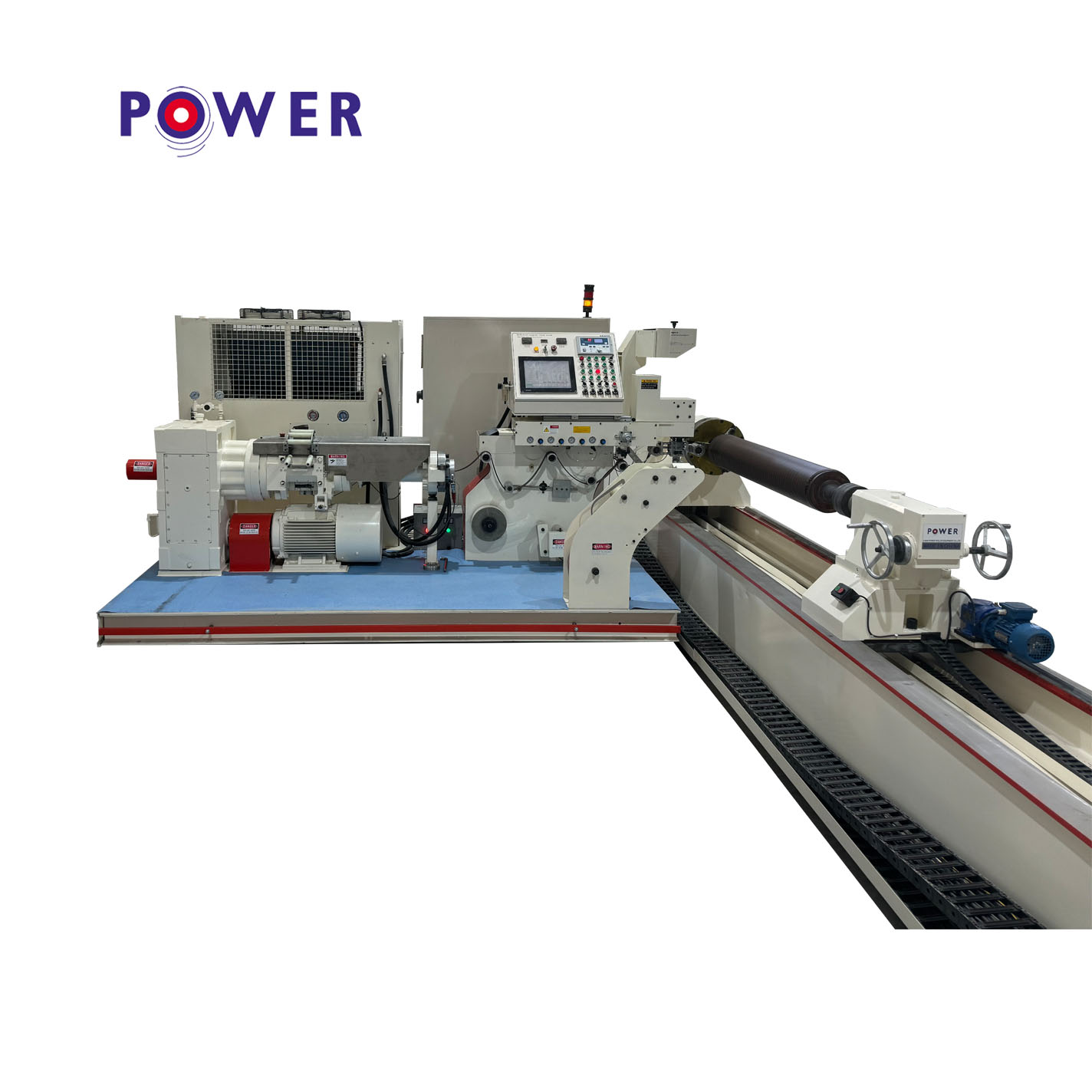
The manufacturing process begins with compounding the rubber to achieve specific mechanical and chemical properties. Using a Rubber Kneading Machine or Rubber Mixing Mill, raw elastomers are blended with vulcanizing agents, plasticizers, and fillers. Once mixed, the compound is fed into a Rubber Roller Covering Machine. This machine applies the rubber strip onto the metal core in a continuous, spiral manner, ensuring a tight bond and minimal air entrapment between the metal and rubber layers.
2. Vulcanization Wrapping with Nylon Tape
Directly after covering, the uncured roller is wrapped with high-tensile nylon tape. This tape must be wound under high tension to compress the rubber and prevent deformation during the subsequent autoclaving process. The nylon tape's thermal shrinkage characteristics act as a dynamic clamp, compressing the rubber as the autoclave temperature rises. This phase is critical to preventing surface defects like blistering or separation from the core.
3. Stripping and Surface Cleaning
Once vulcanization is complete, the cured roller is cooled. The outer nylon tape, having served its purpose, must be removed. Using a specialized Rubber Roller Stripping Machine, the tape is unwrapped cleanly. The roller surface is then cleaned of any tape residue or release agents, preparing it for the final machining stages.
4. Precision CNC Grinding and Polishing
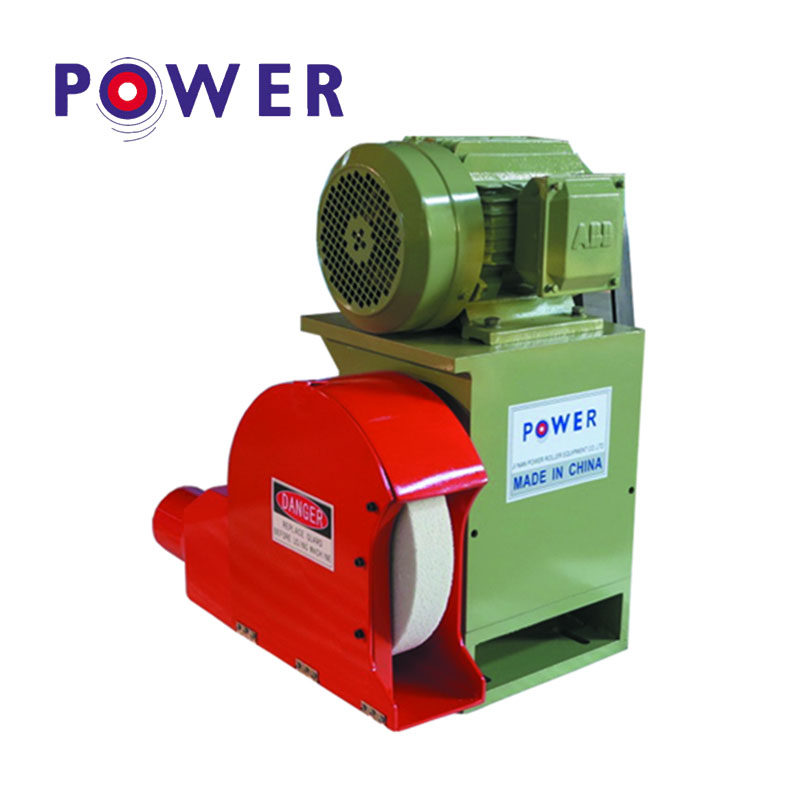
To achieve the exact outer diameter, cylindricity, and surface finish, the roller is mounted on a CNC Cylindrical Grinder or a Multi-functional Roll Grinder. These machines grind the rubber surface to tolerances within micrometers. Depending on the printing application, the roller may also undergo grooving (for water distribution or spiral patterns) or ultra-fine polishing using a Rubber Roller Polishing Machine to achieve a mirror-like finish, essential for high-quality gravure and coating processes.
Complete Range of Rubber Roller Processing Equipment
Discover our comprehensive catalog of machinery designed for every stage of rubber roller production—from compounding and extrusion to wrapping, stripping, grinding, and quality control.




-

WeChat
WeChat

-

Watsapp
Watsapp

-

TEL
-

E-mail