
Featured Packaging Roller Processing Systems
The Crucial Role of Rubber Roller Extruders in Packaging Lines
In the fast-paced world of industrial packaging, consistency, speed, and precision are the cornerstones of manufacturing success. Modern packaging production lines—ranging from flexible film extrusion and paperboard converting to high-speed labeling and laminating—rely heavily on specialized components to handle materials without causing damage, slippage, or misalignment. Among these critical components, the Rubber Roller Extruder stands out as a pivotal technological asset.
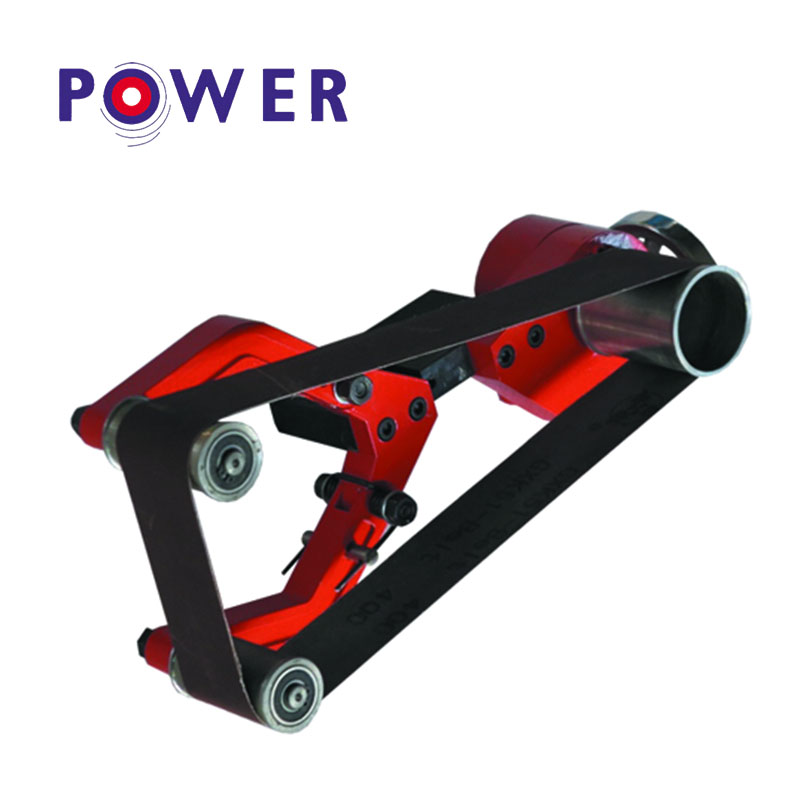
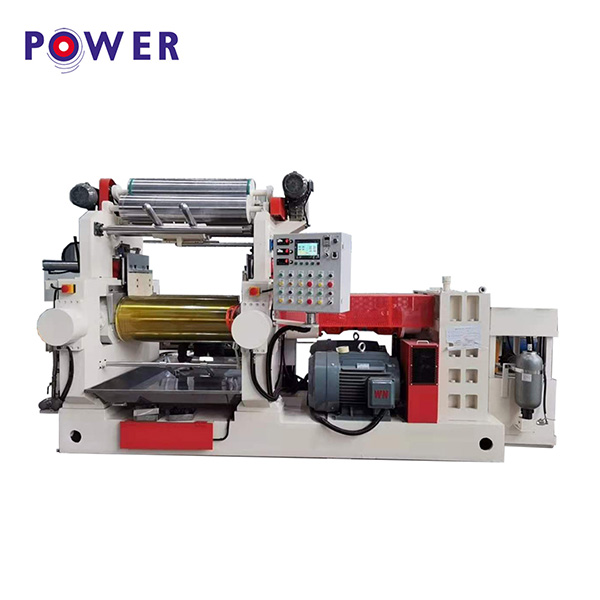
A rubber roller extruder is engineered to apply high-quality, uniform rubber coatings onto metal cores, creating precision rollers that act as the workhorses of packaging lines. These rollers manage web tension, guide substrates, apply adhesives, and facilitate printing. Without high-performance rubber roller covering and extrusion machinery, packaging manufacturers face issues like uneven pressure, material wrinkling, and frequent line shutdowns. As global e-commerce and consumer goods sectors expand, the demand for highly efficient, automated rubber roller production equipment has surged, transforming it from a niche manufacturing tool into a major industrial driver.
High-Precision Extrusion
Advanced extrusion heads ensure seamless rubber application, eliminating air pockets, structural voids, and thickness variations across the roller's surface.
Enhanced Production Speeds
Modern extruders are optimized for continuous operation, drastically reducing the cycle time required to cover large-scale industrial rollers.
Material Versatility
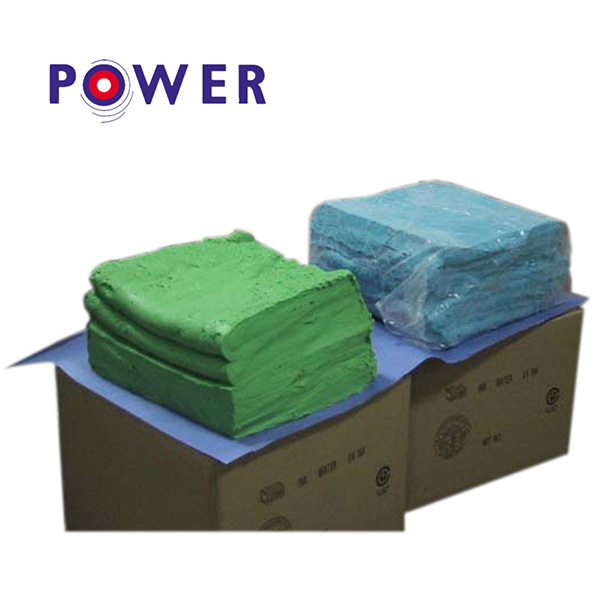
Capable of processing diverse compounds including EPDM, NBR, Silicone, and Polyurethane to meet specific packaging line requirements.
Commercial & Industrial Status of Packaging Production Lines
The global packaging industry is undergoing a massive transformation. The rise of sustainable packaging materials, combined with the explosive growth of e-commerce, has forced manufacturers to upgrade their production lines for higher throughput and reduced waste. In this highly competitive landscape, the efficiency of converting, printing, and laminating processes directly impacts a company's bottom line. Rubber rollers are the primary interface between the machinery and the packaging material; hence, their quality dictates the overall yield.
Historically, roller manufacturing was a labor-intensive process involving manual wrapping of unvulcanized rubber sheets, which often led to human error, material waste, and joint separations during operation. Today, the industry has shifted toward automated rubber roller extrusion and covering machines. By automating the extrusion process, manufacturers can achieve consistent density and thickness, ensuring that the rollers can withstand the high pressures and rotational speeds of modern packaging lines. This technological shift has allowed packaging companies to minimize downtime, extend roller lifespans, and meet strict regulatory standards for food and pharmaceutical packaging.
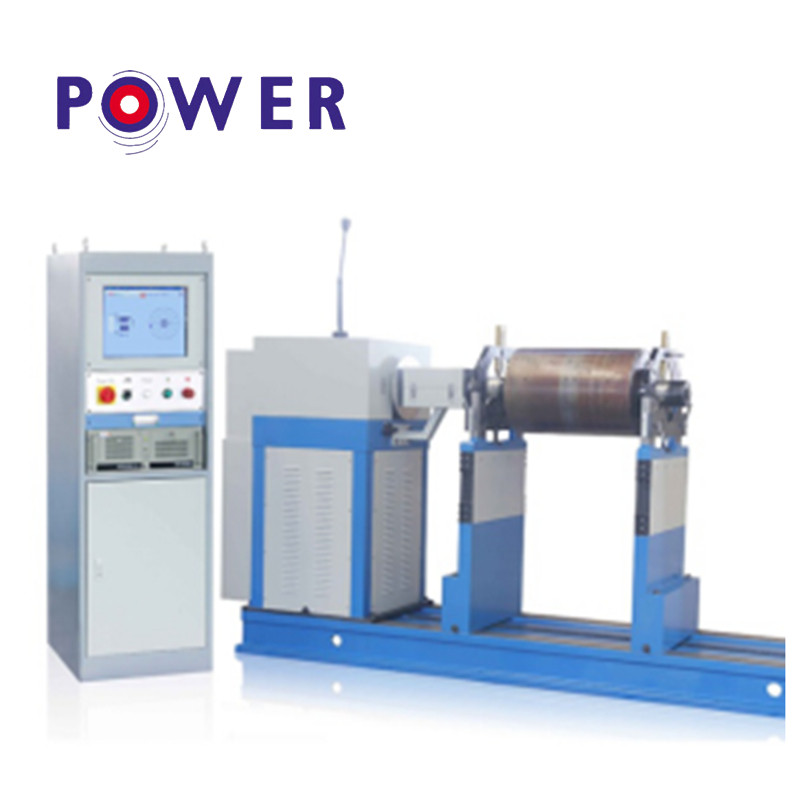
Furthermore, the commercial landscape demands regional adaptability and custom solutions. Different packaging applications require specific roller characteristics. For instance, solventless laminating lines require rollers with exceptional chemical resistance, while high-speed film winding lines require rollers with precise dynamic balancing to prevent vibrations. Consequently, equipment manufacturers who offer integrated solutions—combining stripping, extrusion covering, grinding, and balancing—are leading the market.
Development Trends: Industry 4.0 & Smart Manufacturing
Looking ahead, the integration of Industry 4.0 principles is the most significant trend shaping the rubber roller machinery sector. Intelligent manufacturing is no longer a futuristic concept but a present-day necessity. Modern rubber roller extruders are increasingly equipped with IoT sensors, programmable logic controllers (PLCs), and real-time data monitoring interfaces. This allows production managers and operators to track parameters such as extrusion temperature, screw speed, pressure, and covering thickness in real time.
Another major trend is the focus on energy efficiency and waste reduction. Traditional vulcanization and grinding processes consume significant energy and generate rubber dust waste. The new generation of CNC grinding and polishing machines, alongside advanced cold-feed extruders, minimizes raw material waste through precise application and high-precision finishing. Dust extraction systems and recyclable material pathways are also being integrated to create cleaner, safer working environments that comply with global environmental regulations.
Additionally, predictive maintenance is becoming standard. By analyzing operational data from the extruder and grinding machines, AI-driven software can predict when components like the extrusion screw or grinding wheels need maintenance or replacement. This proactive approach prevents unexpected breakdowns, ensuring that packaging production lines run smoothly without costly interruptions.
Deep Application Scenarios in Packaging Production Lines
The versatility of rubber roller extruders makes them indispensable across various specialized packaging workflows. Below, we explore the deep application scenarios where these precision rollers make a critical difference:
1. Flexible Packaging & Plastic Film Extrusion
In flexible packaging, thin plastic films (such as BOPP, PET, and PE) are extruded, stretched, and treated. The rollers used in these lines must possess extremely smooth surfaces and uniform hardness to prevent scratching or tearing the delicate films. Rubber roller covering machines apply specialized silicone or EPDM compounds to the rollers, which are then ground to mirror-like finishes using CNC polishing machines. These rollers ensure consistent web tension and prevent static buildup during high-speed winding.
2. Corrugated Box & Paperboard Converting
Corrugated packaging lines operate under high temperatures and heavy mechanical loads. The feed rollers, glue applicator rollers, and pressure rollers must withstand continuous abrasion and exposure to water-based adhesives. Extruded rubber rollers with high durameter (hardness) and excellent thermal stability are essential here. The precision grinding and grooving of these rollers allow for exact adhesive transfer, ensuring strong box joints without wasting glue.
3. High-Speed Labeling & Adhesive Coating
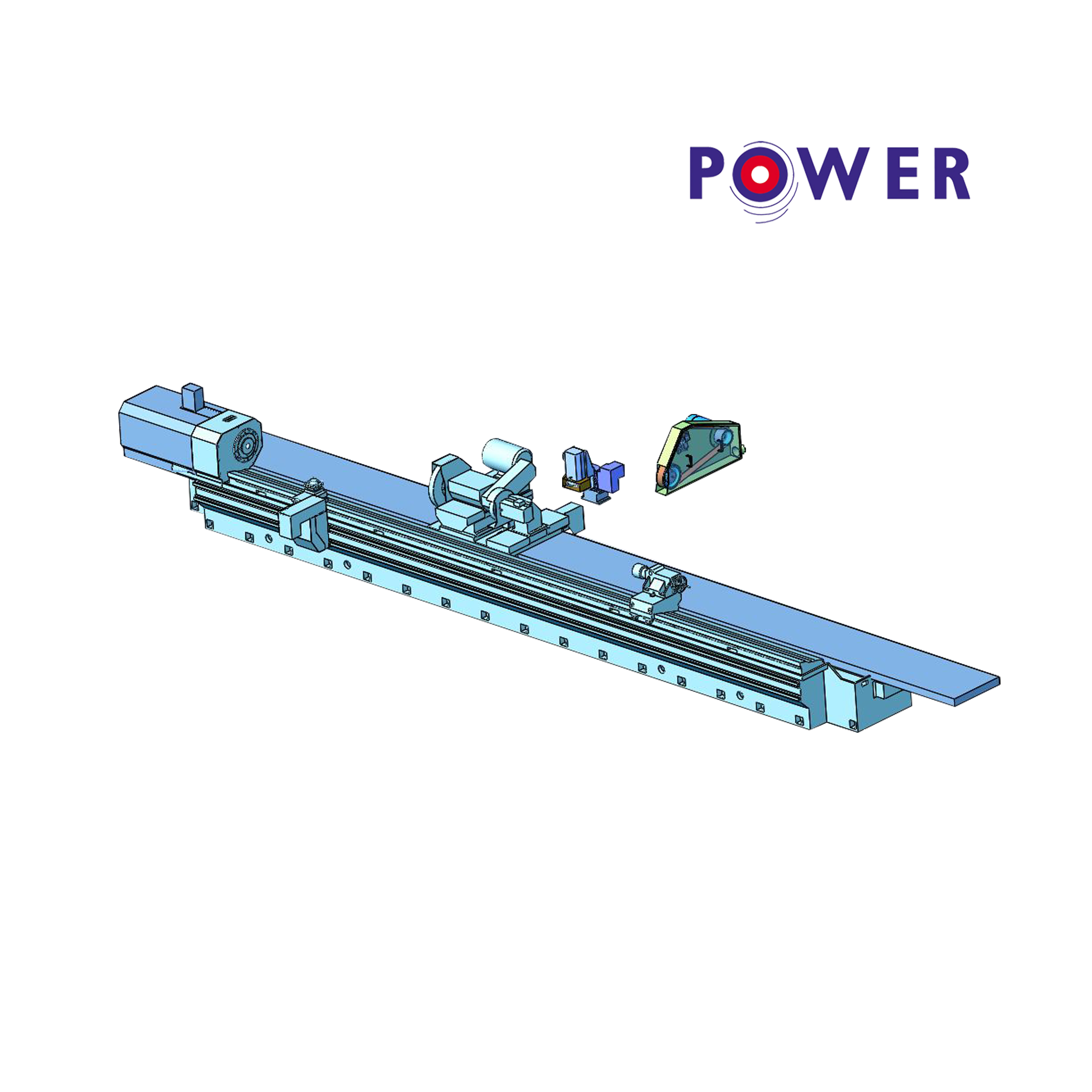
For pressure-sensitive labels and tapes, adhesive coating rollers must distribute glue at micron-level tolerances. Any deviation in roller concentricity leads to uneven coating, causing label peeling or adhesive bleed. Using CNC cylindrical grinders to finish the extruded rubber rollers guarantees the extreme geometric tolerance required for these precise applications.
4. Food & Pharmaceutical Packaging (Hygienic Lines)
Rollers in contact with food-grade or medical packaging must comply with strict FDA regulations. Rubber roller extruders apply specialized non-toxic, FDA-approved silicone or nitrile rubber. These rollers must resist chemical cleaning agents and prevent bacterial growth, requiring a seamless, non-porous surface finish that can only be achieved through automated covering and high-precision polishing.
Company Profile
Jinan Power Roller Equipment Co., Ltd.
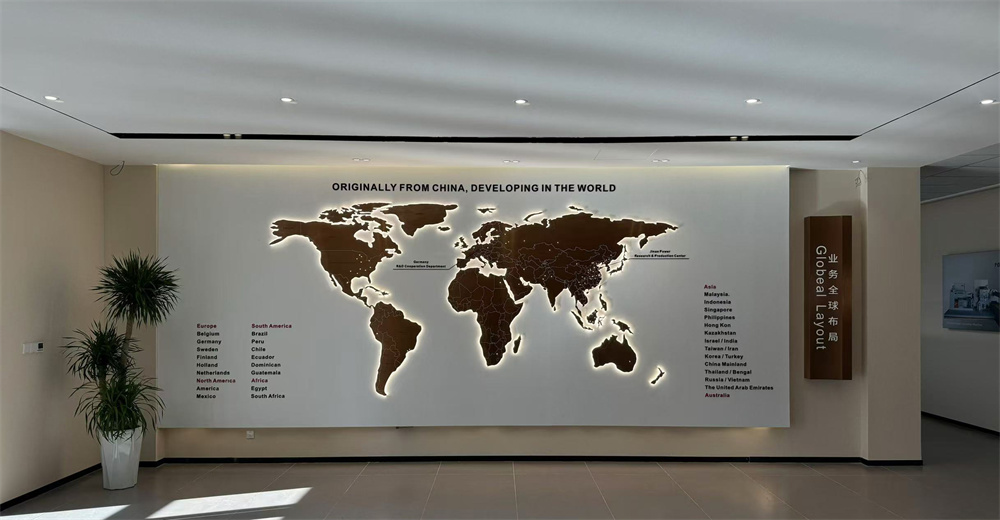
Jinan Power Roller Equipment Co., Ltd. is a professional manufacturer of modern rubber roller equipment integrating scientific research and production. Founded in 1998, the company is the main base for the production of special equipment of rubber rollers in China. Over the past 20 years, the company has not only devoted all its energy to the R&D and manufacturing of equipment, but also constantly researching more perfect production technology.
In recent years, our company are also making contribution to intelligent manufacturing in the rubber roller industry. The Industry 4.0 mode will be applied in our rubber roller production in the near future. Our new generation of rubber roller equipment provides a good platform for intelligent manufacturing. The interconnection between production managers and field operators, data sharing, recording and inspection can be achieved through the operation platform of the equipment, creating good conditions for various control in production.
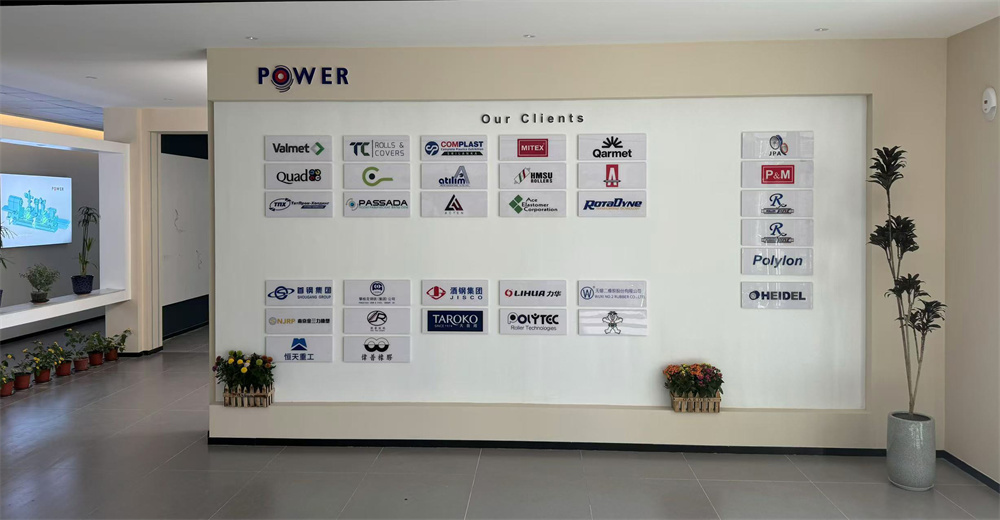
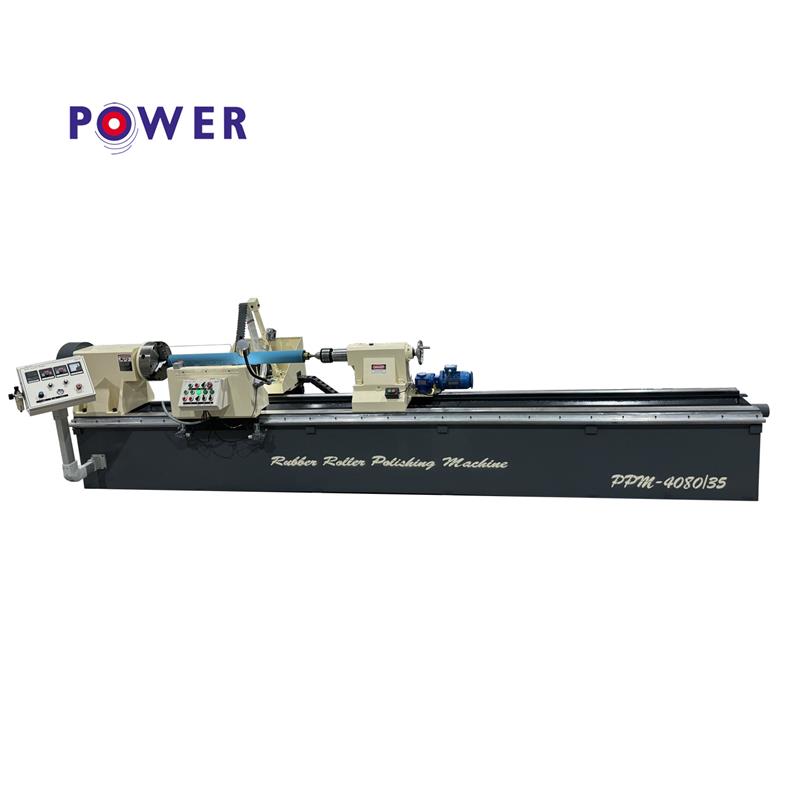
Our company is supplying rubber roller manufacturers with highly accurate, durable and productive equipment. Our main products including: Rubber Roller Stripping Machine, CNC Grinding/Grooving Machine, CNC Cylindrical Grinder, Rubber Roller Covering Machine, Rubber Roller Polishing Machine, Professional Measuring Instrument, Etc. In 2000, our products passed the inspection by CCIB Quality Certification Center in accordance with ISO 9001 standards. By using our equipment, you will increase processing efficiency, and raise product quality. Also it can bring much economical benefit.
Customized Solutions for Packaging Challenges
Different packaging industries, material specifications, and production speeds demand customized equipment configurations. A one-size-fits-all approach does not work when dealing with high-performance converting lines. The chemical composition of the rubber, the core design, the operating temperature, and the line tension all play a role in defining the ideal roller specification. Consequently, customized machinery solutions are crucial to meeting unique technical requirements.
At Jinan Power Roller Equipment Co., Ltd., we specialize in developing tailor-made solutions. Whether you need a heavy-duty covering machine for large-scale paper mills or a high-precision CNC grinder for delicate film-guiding rollers, our engineering team designs systems that fit seamlessly into your existing workflow. By tailoring the extruder screw design, feed mechanism, and control software, we ensure that our customers can process their specific rubber compounds with zero defects, achieving the optimal balance of efficiency and durability.
Comprehensive Range of Industrial Roller Equipment



-

WeChat
WeChat

-

Watsapp
Watsapp

-

TEL
-

E-mail