
Featured Calendering Processing Equipment
High-precision processing machinery engineered to manufacture and refine top-tier packaging rubber rollers for textile calendering systems.

CNC High Precision Cylindrical Grinder for Calendering Rollers
Learn More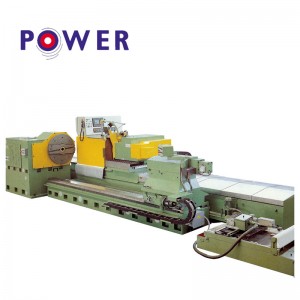
CNC Large Cylindrical Grinding Machine for Packaging Rollers
Learn More
Multi-functional Roll Grinder for Textile Calendering
Learn More
PDM-CNC Porous Drilling Machine for Core Preparation
Learn MoreThe Critical Role of Packaging Rubber Rollers in Textile Calendering
In the modern textile manufacturing sector, the demand for high-performance finishes, precise structural patterns, and enhanced material durability has driven massive technological advancements. At the heart of these finishing processes lies the calendering machine, where textile fabrics are passed through a series of highly compressed rollers to achieve characteristics such as gloss, density, smoothness, and flexibility. Among these components, the Packaging Rubber Roller for Textile Calendering represents a vital element that directly impacts the final output quality.
Calendering is not merely a mechanical pressing step; it is a complex thermo-mechanical process where heat, pressure, and friction interact with fibers. Packaging rubber rollers, specifically engineered for textile calendering, act as the resilient counter-rollers. They provide the uniform pressure distribution necessary to prevent fabric distortion while ensuring that coatings, laminates, and textures are applied with microscopic precision. Without high-quality rubber rollers, textile manufacturers face issues such as uneven calendering, fiber damage, and high rejection rates.
Market Demand & Industrial Status
The global textile calendering market is experiencing a paradigm shift. With the expansion of technical textiles, non-woven packaging materials, and high-end apparel fabrics, the demand for specialized rubber rollers has surged. Today's industrial landscape requires rollers that can withstand extreme linear pressures, elevated operating temperatures (often exceeding 180°C), and continuous exposure to chemical finishing agents, all while maintaining dimensional stability and surface integrity.
Deep-Dive Application Scenarios
Exploring how precision rubber rollers optimize performance across diverse textile finishing and packaging lines.
The versatility of packaging rubber rollers makes them indispensable in multiple advanced industrial workflows:
1. High-Speed Fabric Glazing and Compaction
Glazing and compaction require the fabric to pass between a heated steel roller and a resilient rubber roller under intense pressure. The rubber roller must absorb the physical shocks of varying fabric thicknesses while maintaining a uniform nip contact area. Our specialized rubber compounds offer excellent thermal recovery and resistance to deformation, ensuring consistent gloss and density across thousands of meters of fabric without interruption.
2. Lamination and Protective Coating for Flexible Packaging
In the production of laminated textiles used for high-end packaging, geotextiles, and outdoor gear, the rubber roller plays a dual role. It acts as a pressure applicator that ensures the adhesive layer bonds seamlessly with the textile substrate without trapping air bubbles. The precise surface finish of our rollers prevents sticking and compound buildup, minimizing maintenance downtime and maximizing yield.
3. Embossing and Structured Pattern Transfer
Textile embossing requires the precise transfer of intricate 3D patterns from an engraved metal cylinder to the fabric surface. The backing rubber roller must possess a highly calibrated hardness (Shore A scale) to allow the fabric to conform to the pattern without tearing the fibers. Our CNC grinding and grooving equipment guarantees that the rubber roller's surface profile is perfectly tailored to match the embossing tool, resulting in crisp, permanent patterns.
4. Non-Woven Textile Calendering for Eco-Packaging
The rise of eco-friendly, non-woven bags and packaging materials has introduced new challenges. Non-woven materials are sensitive to heat and pressure variations. Rubber rollers utilized in these calendering lines must feature advanced thermal dispersion properties to prevent localized melting or structural weakening of the synthetic fibers, ensuring the tensile strength of the packaging remains intact.
Company Profile
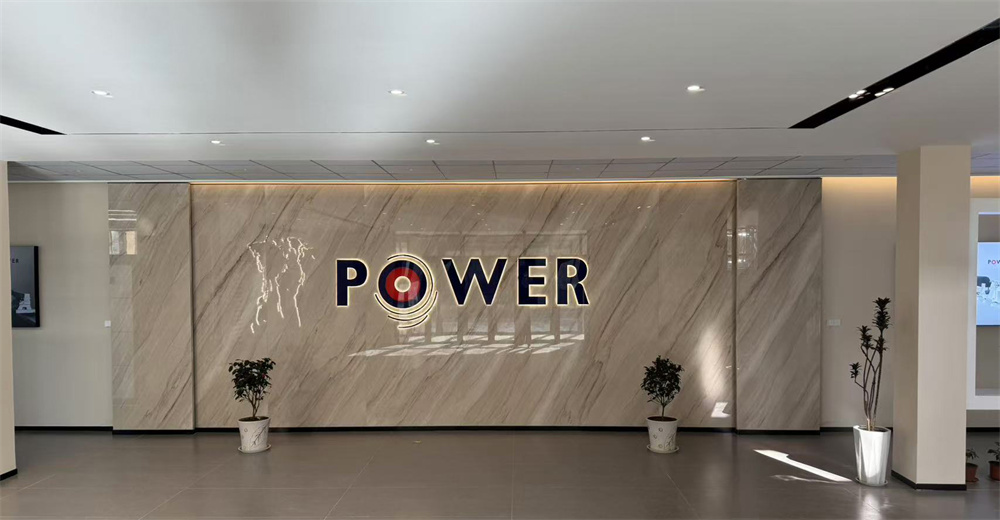
Jinan Power Roller Equipment Co., Ltd. — Leading Innovation in Rubber Roller Machinery Since 1998.
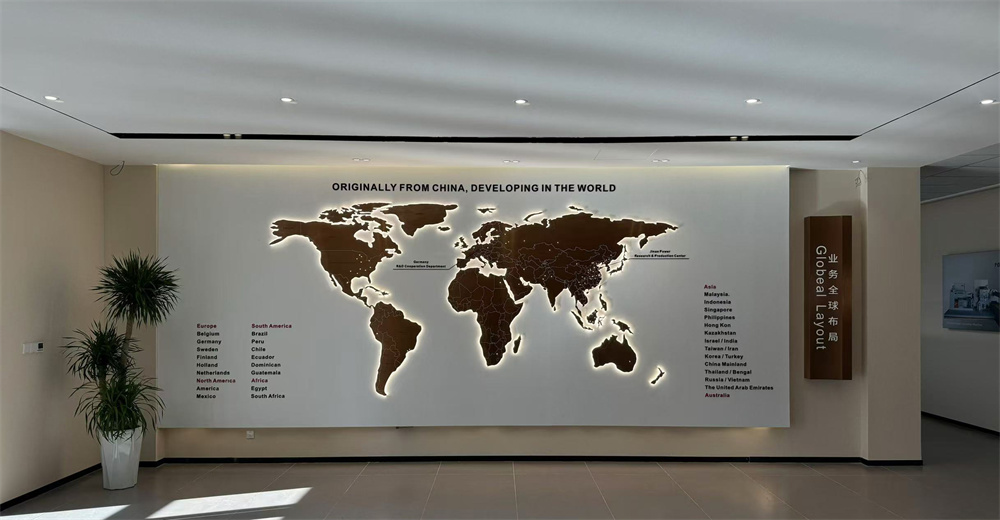
Jinan Power Roller Equipment Co., Ltd. is a professional manufacturer of modern rubber roller equipment integrating scientific research and production. Founded in 1998, the company is the main base for the production of special equipment of rubber rollers in China. Over the past 20 years, the company has not only devoted all its energy to the R&D and manufacturing of equipment, but also constantly researching more perfect production technology.
In recent years, our company are also making contribution to intelligent manufacturing in the rubber roller industry. The Industry 4.0 mode will be applied in our rubber roller production in the near future.
Our new generation of rubber roller equipment provides a good platform for intelligent manufacturing. The interconnection between production managers and field operators, data sharing, recording and inspection can be achieved through the operation platform of the equipment, creating good conditions for various control in production.
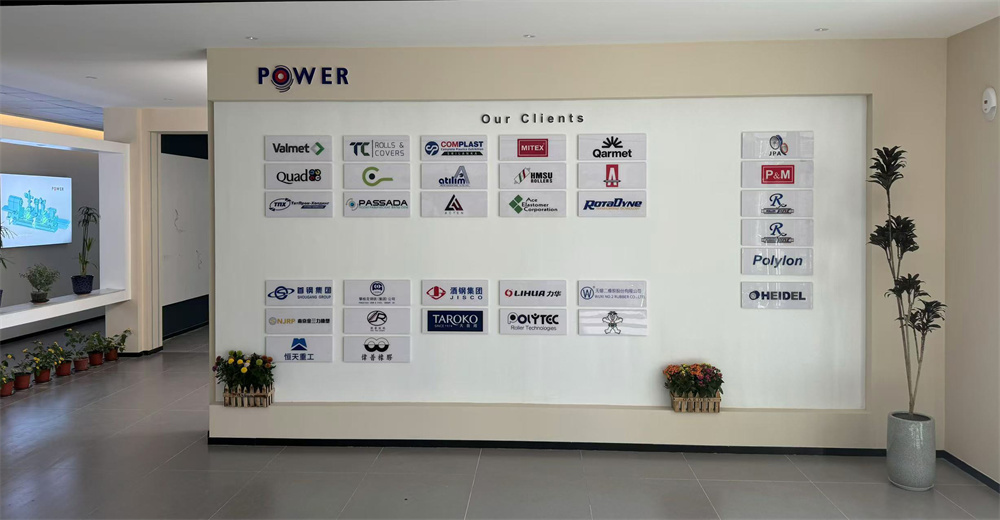
Our company is supplying rubber roller manufacturers with highly accurate, durable and productive equipment. Our main products including: Rubber Roller Stripping Machine, CNC Grinding/Grooving Machine, CNC Cylindrical Grinder, Rubber Roller Covering Machine, Rubber Roller Polishing Machine, Professional Measuring Instrument, Etc.
In 2000, our products passed the inspection by CCIB Quality Certification Center in accordance with ISO 9001 standards. By using our equipment, you will increase processing efficiency, and raise product quality. Also it can bring much economical benefit.


Industry 4.0 and Smart Calendering
The future of calendering lies in sensor integration and real-time data analysis. Smart rubber rollers embedded with temperature and pressure sensors allow operators to monitor nip conditions in real-time, preventing overheating and uneven wear. Jinan Power Roller is actively developing equipment that supports this digital transformation, bridging the gap between traditional mechanical hardware and advanced industrial IoT networks.
Technological Evolution & Material Innovations
As textile calendering demands increase, traditional rubber coverings often fail under persistent thermal stress. This has led to the adoption of advanced polymers such as hydrogenated nitrile butadiene rubber (HNBR), silicone compounds, and polyurethane elastomers. These materials offer superior resistance to thermal degradation, chemical plasticizers, and physical abrasion. Additionally, precise surface finishing via CNC grinding machines has become standard, achieving geometric tolerances within micrometers to prevent any variation in fabric thickness.
Furthermore, customized surface texturing, such as micro-grooving or matte finishing, allows manufacturers to manipulate fabric properties during the calendering phase. These developments require advanced grinding and grooving machinery capable of executing complex program paths with absolute repeatability.
Comprehensive Roller Production & Processing Portfolio
Explore our complete range of high-performance auxiliary machinery and raw materials designed to optimize your rubber roller manufacturing processes.
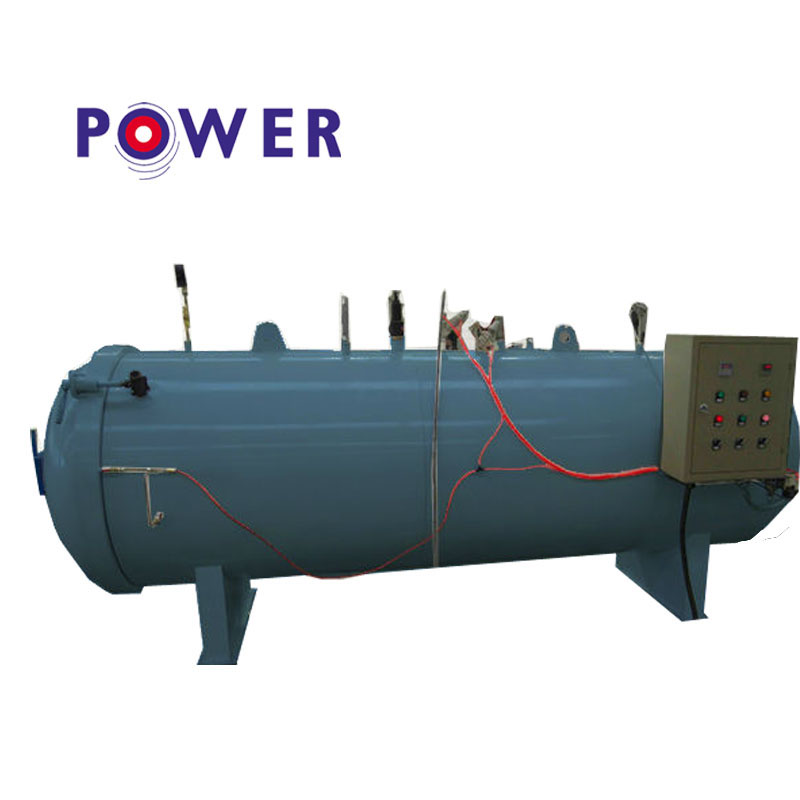
Autoclave- Electrical Heating Type for Roller Vulcanization
View Details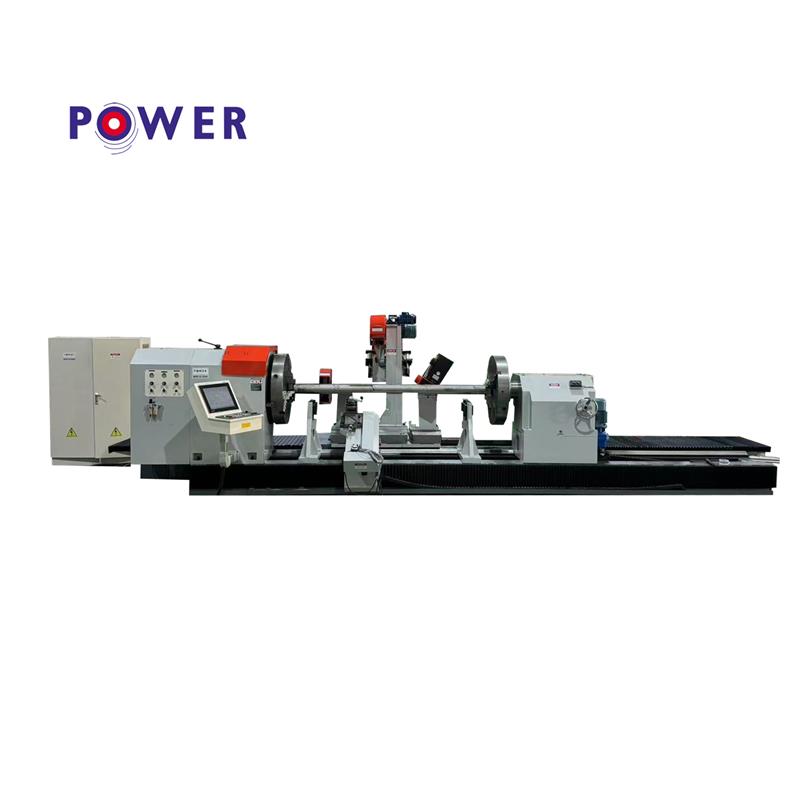
Multifunctional PCM-CNC Roller Processing Machine
View DetailsRubber Roller CNC Profile Grinder & Measuring Machine
View DetailsPressure Type Mixer & Lab-use Kneader Mixer
View Details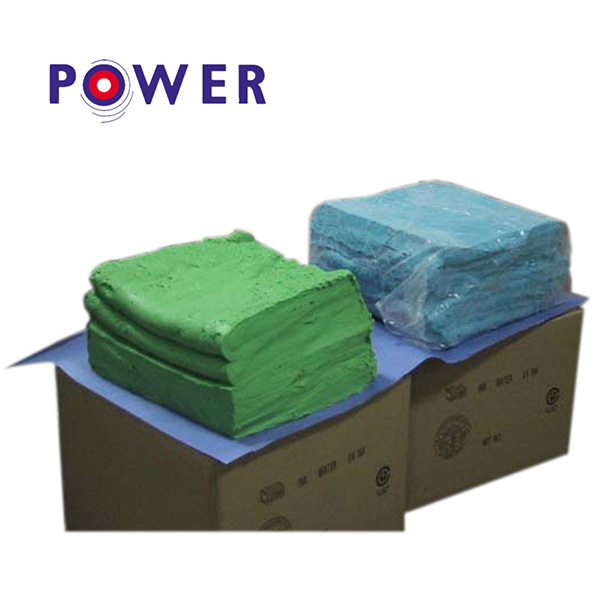
High-Grade Raw Materials for Rubber Roller Coating
View Details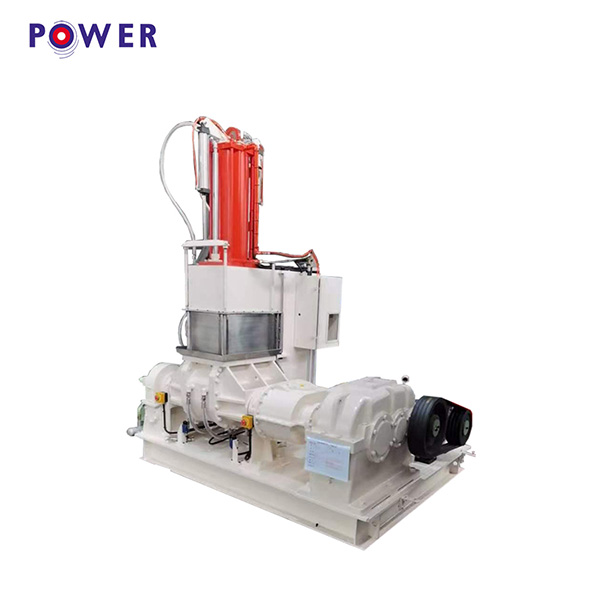
Dispersion Kneader Mixer for Rubber Compounding
View Details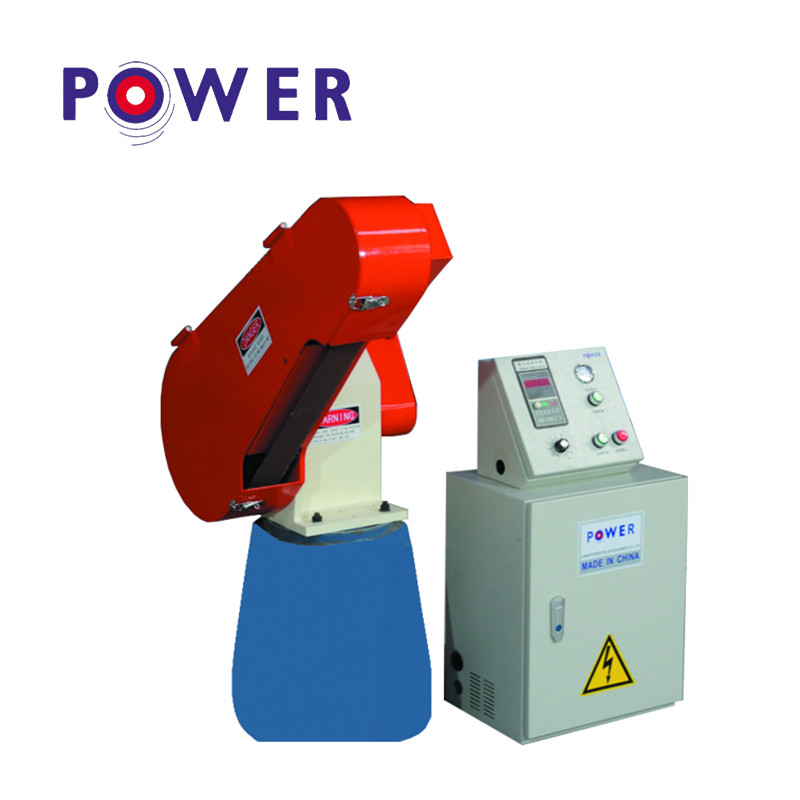
Roller Core Surface Sanding & Coarsening Head Device
View Details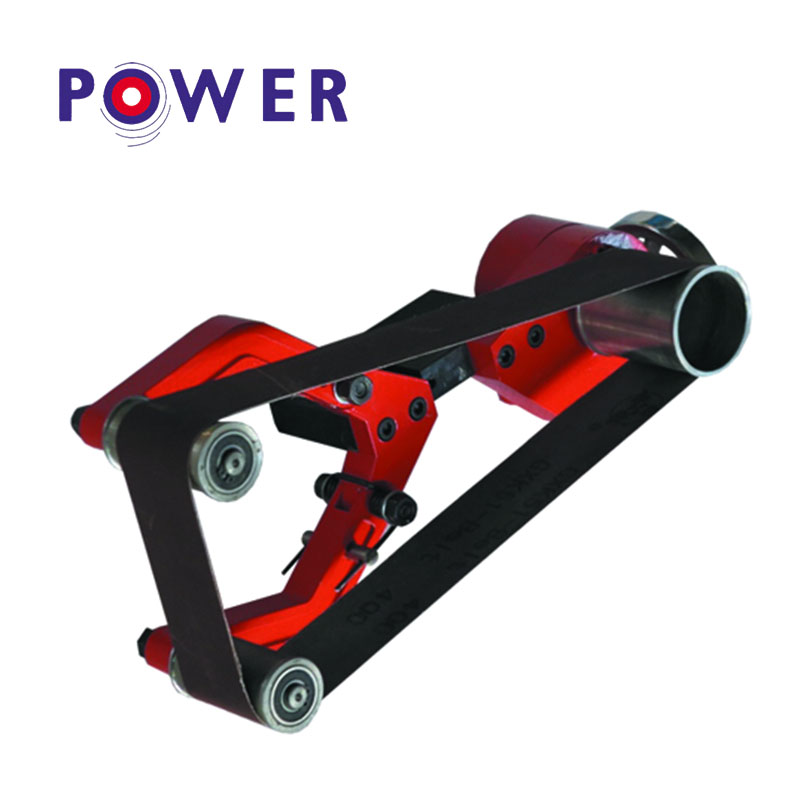
Precision Rubber Roller Sand Belt Polishing Device
View Details-

WeChat
WeChat

-

Watsapp
Watsapp

-

TEL
-

E-mail