
Definition and Classification
Rubber general equipment, also known as general rubber machinery, refers to the machinery used for preparing rubber compounds or semi-finished products. It constitutes one of the three major categories of rubber machinery, alongside tire machinery and other rubber product machinery. This category encompasses raw material processing machinery, rubber mixers, extruders, calenders, rubber roller surface grinder,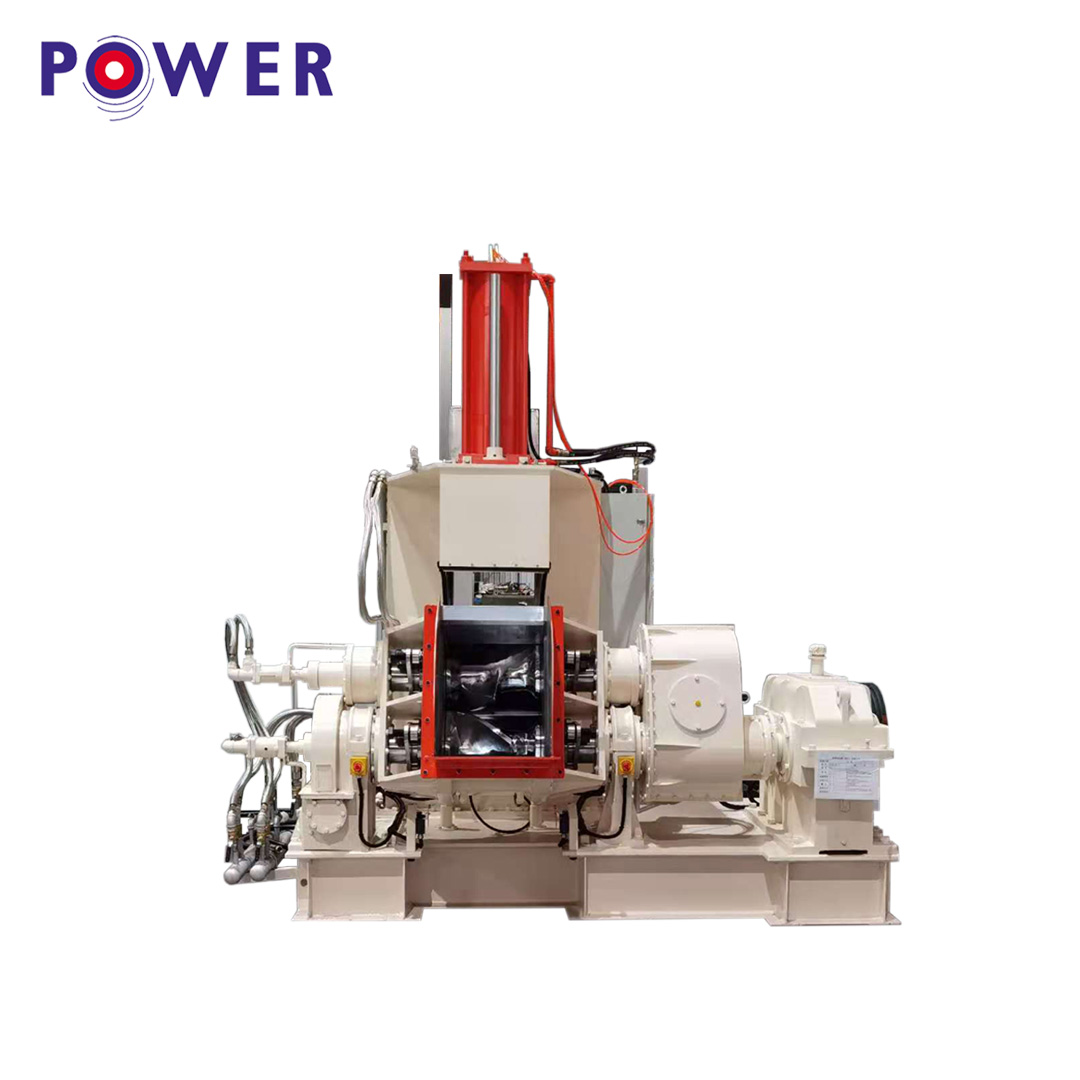
,carbon fiber roller rubber roller manufacturercord canvas pretreatment devices, and cutting machines. These machines form the backbone of the rubber production chain, transforming raw rubber into processable compounds and then into semi-finished components ready for final shaping and vulcanization.
Core Equipment Types
Rubber Mixers. Rubber mixers are divided into two categories: open mills and internal mixers. The open mill, which dates back to 1826, features a relatively simple structure consisting of two counter-rotating rolls. It is primarily used for hot refining, sheeting, rubber breaking, plasticizing, and mixing. The internal mixer, or Banbury mixer, adds an enclosed mixing chamber that enables high-speed, high-pressure, and high-efficiency operation. Modern internal mixers can complete a mixing cycle in just 2.5 to 3 minutes, with chamber capacities reaching 650 liters. Compared with open mills, internal mixers utilize approximately 95% of energy input and consume about 30% less power per kilogram of compound produced.
Rubber Extruders. Extruders are employed to shape rubber compounds into continuous profiles, including tire treads, inner tubes, hoses, and various rubber sections. They are also used for coating cables and wires. The most common type is the screw extruder, in which rubber is stirred, mixed, plasticized, and compacted within the barrel by the rotating screw before being forced through a die at the head. Cold-feed and hot-feed extruders represent the two main variants, each suited to different production scenarios. Modern high-precision extrusion lines can achieve tolerances as tight as ±0.1 mm at output rates exceeding 20 meters per minute.
Rubber Calenders. Calenders press rubber compounds into thin sheets of uniform thickness and are primarily used for frictioning or coating cord fabrics, textile machinery rubber roller covering,as well as laminating, profiling, and embossing rubber materials. The main working component is a set of hardened steel rolls, typically three or more in number. Four-roll calenders are widely used in the tire industry for producing inner liners and other critical components.
Application Features
Rubber general equipment is extensively applied across the rubber products industry, including tires, seals, hoses, rubber shoes, and numerous other products. More than 60% of the world’s rubber is used to manufacture tires, making tire-related applications a dominant segment. In the tire industry, internal mixers prepare the rubber compound, extruders form treads and sidewalls, and calenders produce fabric-reinforced sheets for carcass plies.
Beyond tires, general rubber equipment serves automotive, aerospace, medical, construction, agricultural, and electronics sectors. Rubber injection molding machines, for instance, are utilized in the production of gaskets, O-rings, and silicone parts for automotive and medical applications. These machines offer advantages such as minimal waste, reduced downtime, and processing flexibility.
Technology Trends and Industry Status
The rubber machinery industry continues to evolve toward greater intelligence and energy efficiency. AI-based process optimization algorithms can now achieve energy savings of up to 29% in mixing operations. Industrial mold preheating systems controlled by PLC have demonstrated the potential to reduce energy consumption by 68% and shorten preheating time by 83%. silicone extrusion companies,Modular machine designs facilitate rapid changeover between rubber and silicone modes, significantly reducing transition downtime.
The global rubber machinery market was projected at approximately USD 3.03 billion in 2025, with an expected compound annual growth rate of 4.45% through 2033. In 2025, the total sales revenue of the world’s top 30 rubber machinery enterprises reached USD 4 billion, representing a growth of about 4%. Chinese enterprises occupy a prominent position, accounting for 16 of the top 30 global companies and holding approximately 45.5% of the global market share.
Conclusion
Rubber general equipment constitutes the foundation of the rubber manufacturing industry. Through the coordinated operation of mixers, extruders, calenders, and related machinery, raw rubber is transformed into precisely engineered semi-finished products that meet the demanding specifications of modern industry. As the sector advances toward intelligent, energy-efficient, and automated solutions, rubber general equipment will continue to play a pivotal role in supporting innovation across tire manufacturing, automotive engineering, medical device production, and countless other fields that depend on rubber components.
Post time: Sep-16-2026