
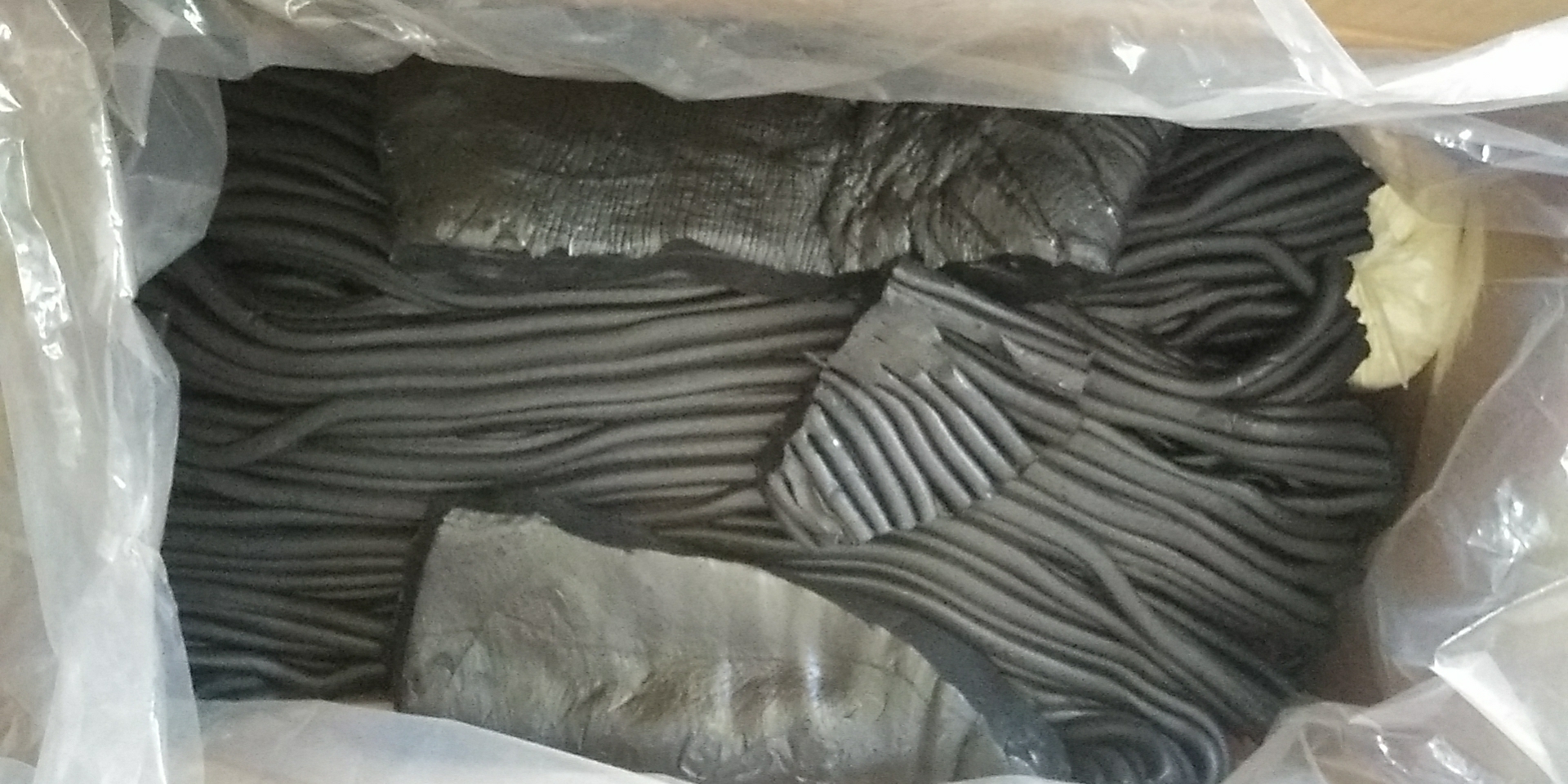
Rubber compounding is the complex, multidisciplinary science of selecting and blending elastomers with various additives to meet specific performance, processing, environmental, and cost requirements for rubber goods. Raw rubber polymers—whether natural or synthetic—possess limited mechanical and thermal properties in their unmodified state. Compounding transforms these base polymers into customized materials with precisely engineered characteristics such as elasticity, hardness, abrasion resistance, heat resistance, and chemical resistance.
Ingredients of a Rubber Compound
A typical rubber compound may contain anywhere from three to fifteen different ingredients, with thousands of possible compositional variations. Formulations are conventionally expressed in parts per hundred rubber (phr), with the base polymer standardized at 100 phr.
The elastomer or polymer blend forms the foundation, determining the compound’s fundamental chemical and physical properties. Common choices include natural rubber (NR), valued for superior tensile strength and tear resistance; styrene-butadiene rubber (SBR) for tire treads; EPDM for weather and UV resistance; and nitrile rubber (NBR) for oil and fuel resistance.
Reinforcing fillers—most notably carbon black—are added to enhance mechanical properties such as tensile strength, abrasion resistance, and tear strength. Carbon black particle size and surface activity can be varied to tune specific properties. Silica is increasingly used, particularly in energy-saving tire compounds where reduced rolling resistance is critical. rubber milling process,Mineral fillers and clays serve as lower-cost alternatives, especially for colored compounds.
The vulcanization (cure) system crosslinks polymer chains, converting the thermoplastic compound into a durable thermoset material. Sulfur remains the most common curative, typically used at 0.5–35 phr with accelerators (0.5–5 phr) and activators (1.0–5 phr). Accelerators increase cure speed and efficiency. Peroxide-based systems offer alternatives for polymers that cannot be sulfur-cured, providing higher service temperatures and lower compression sets.
Protective agents include antioxidants, which shield compounds from thermal degradation during mixing and service, and antiozonants such as waxes that bloom to the surface to protect against ozone attack. Processing aids—oils, plasticizers, and peptizers—facilitate ingredient incorporation, reduce viscosity, and influence final hardness.
The Mixing Process
Compounding begins with mastication—mechanically breaking down the polymer to reduce molecular weight. Mixing is accomplished via two primary methods. The open two-roll mill consists of counter-rotating rolls whose adjustable nip creates intense shearing action. This manual method offers excellent visibility for real-time adjustments, making it ideal for development and heat-sensitive compounds, though it introduces batch-to-batch variability. The internal mixer (Banbury mixer) operates in a completely enclosed chamber with two counter-rotating rotors and a ram that forces material into the high-shear zone. Automated and high-speed, internal mixers deliver consistent, large-scale production.
Critical parameters include mixing time, temperature, ram pressure, rotor speed, and ingredient addition sequence. The order of addition is non-negotiable: polymer first, followed by fillers and oils, with curatives added last at lower temperatures to prevent scorch (premature curing). Temperature control is essential—sufficient energy must be input for good filler dispersion without triggering premature crosslinking.
Applications and Trends
Rubber compounds are indispensable across virtually all manufacturing sectors. The automotive industry remains the largest consumer, with applications including tires, seals, gaskets, hoses, belts, and vibration-dampening components. Industrial applications encompass conveyor belts, industrial hoses, molded components, and rollers. Other sectors include medical devices, aerospace, wire and cable, footwear, and construction.
Contemporary compounding faces growing demand for sustainability. Regulatory pressures on polycyclic aromatic hydrocarbons (PAHs) are driving development of bio-based extender oils, such as industrial hempseed oil, as alternatives to petroleum-based oils. Research into sustainable fillers, recycled materials, and reduced zinc oxide levels reflects the industry’s commitment to environmental responsibility. The trend toward high-performance specialty compounds for electric vehicle battery systems, thermal management, and stringent medical applications continues to drive innovation.
Rubber compounding remains both an art and a science—a delicate balance of chemistry, physics, open mill rubber mixing factory,and engineering expertise where thousands of ingredient combinations must be meticulously tested and refined. Each formulation represents countless hours of development to achieve the optimal balance of processing characteristics, final properties, and cost-effectiveness—which is why most compounders guard their formulations as proprietary intellectual property.
Post time: Jun-18-2026