
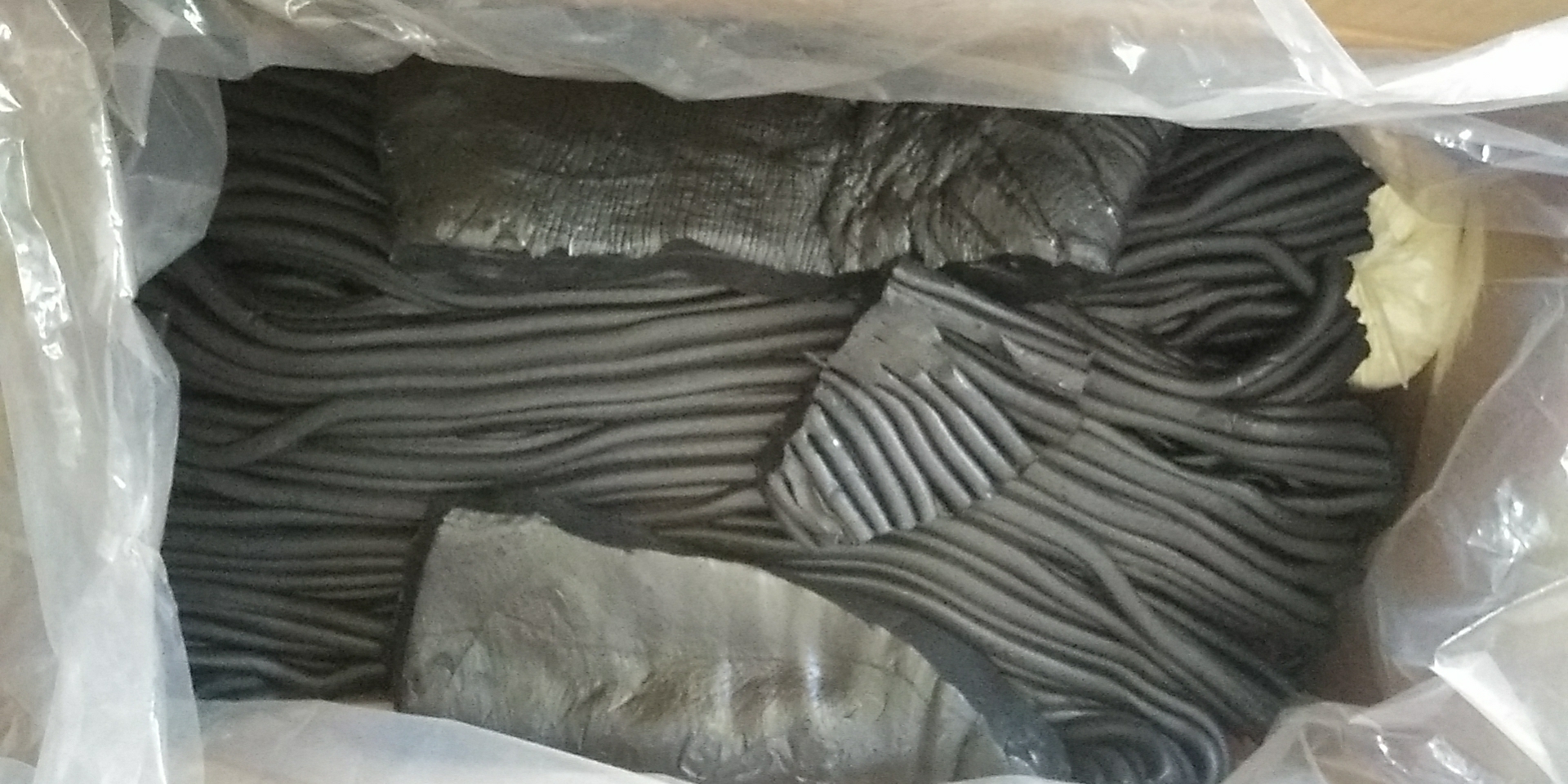
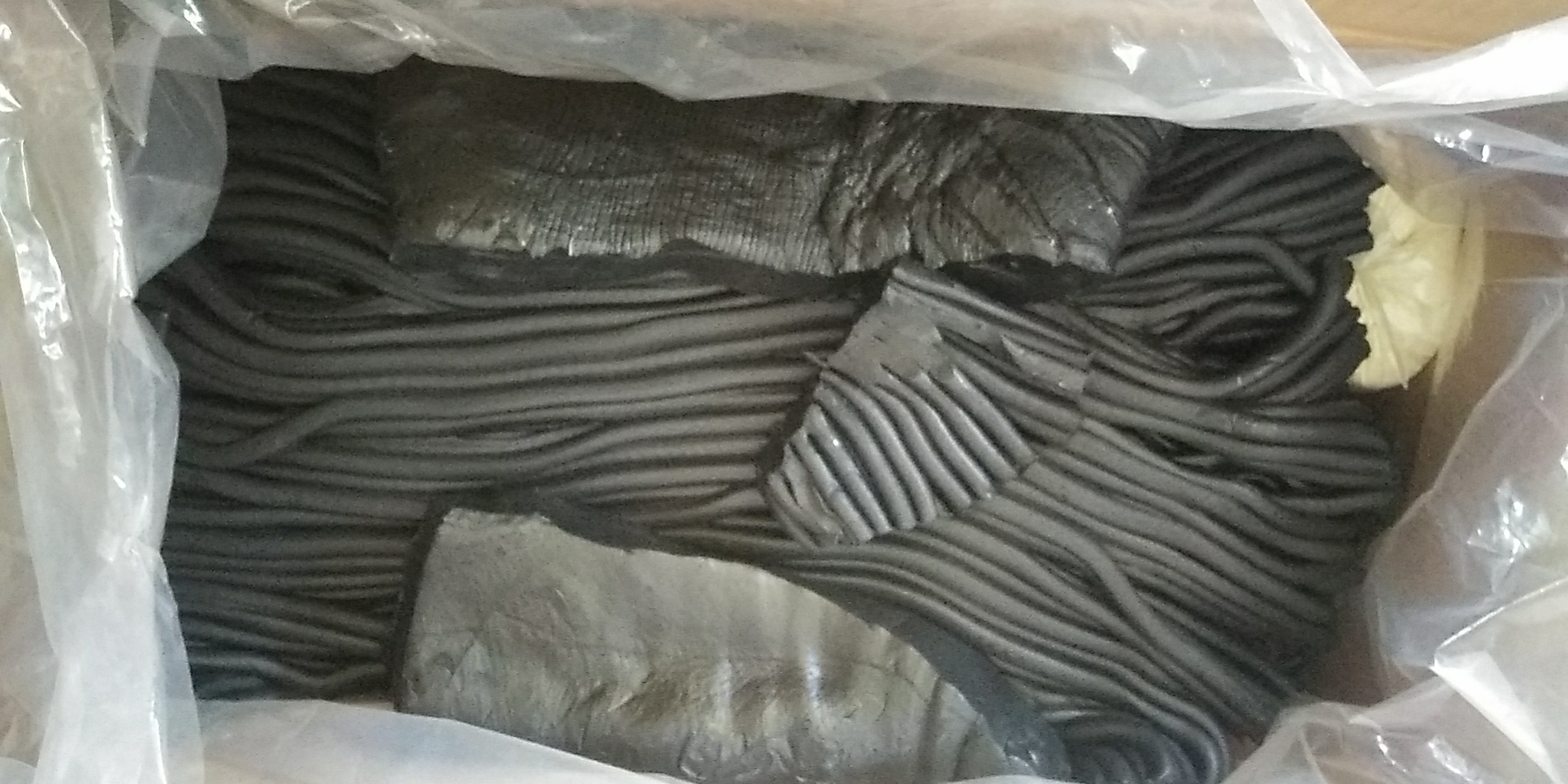
Rubber compounding is the foundational science and technology of transforming raw elastomers into usable materials with precisely engineered properties. It involves selecting and blending rubber polymers—both natural and synthetic—with a carefully balanced array of additives to achieve specific performance characteristics such as elasticity, hardness, abrasion resistance, heat resistance, and chemical stability. This article provides an overview of the classification of rubber compounding ingredients, the major applications of rubber compounds, and the essential equipment used in the mixing process.
Classification of Compounding Ingredients
The ingredients in a rubber compound can be systematically classified into several functional categories:
1. Elastomers (Base Polymers): The primary component, typically measured as 100 parts per hundred rubber (phr). This includes natural rubber (NR)—derived from Hevea tree latex, offering superior tensile strength and tear resistance—and a wide range of synthetic rubbers such as styrene-butadiene rubber (SBR), polybutadiene (BR), ethylene-propylene-diene monomer (EPDM), nitrile rubber (NBR), and specialty elastomers like silicone and fluoroelastomers.
2. Crosslinking (Curing) System: This includes vulcanizing agents such as sulfur (0.5–35 phr), accelerators (0.5–5 phr), and activators like zinc oxide (1.0–5 phr). This system creates the chemical crosslinks that transform the thermoplastic raw rubber into a thermoset material with durable mechanical properties.
3. Fillers: Divided into reinforcing fillers (e.g., carbon black and silica) that enhance mechanical strength, abrasion resistance, and tear resistance, and non-reinforcing or extending fillers (e.g., clay, calcium carbonate, mica) used for cost reduction and dimensional control. Filler loadings can range from 25 to 200 phr.
4. Plasticizers and Softeners: Added to improve processability, reduce viscosity, and enhance low-temperature flexibility.
5. Antidegradants: Antioxidants and antiozonants (0.5–2 phr) that protect the compound from oxidative and ozone degradation.
6. Processing Aids: Including peptizers, tackifiers, and other agents that facilitate mixing and forming operations.
Mixing Processes and Equipment
Rubber compounding requires specialized equipment to achieve uniform incorporation and dispersion of all ingredients within the elastomeric matrix. The most widely used methods in the rubber industry are batch mixing processes.
Internal Mixers (Banbury Mixers): These are the workhorses of modern rubber compounding. An internal mixer consists of two rotating spiral-shaped rotors encased in a sealed mixing chamber. Two types of rotors are commonly used: tangential rotors, which first disperse then distribute materials, and intermeshing rotors, which operate in the opposite sequence. Internal mixers operate under controlled temperature and pressure, providing high efficiency, uniform dispersion, and reduced environmental pollution. They are essential for tire manufacturing and large-scale industrial rubber production.
Two-Roll Mills (Open Mills): These consist of two horizontally mounted, counter-rotating rollers. The rubber compound is passed repeatedly through the nip between the rolls, where high shear forces promote mixing and dispersion. Two-roll mills are used for plasticating natural rubber, mixing compounds, warming up stock, and sheeting operations. They remain valuable for small-batch production, color compounds, and applications requiring careful temperature control.
Mixing Cycles: Several mixing strategies have been developed, including conventional mixing (rubber added first, followed by powders, plasticizers, oils, and curing agents), upside-down mixing (fillers and oils mixed before polymer addition), single-stage mixing, and two-stage mixing (which lowers temperature impact and improves dispersion). The choice of cycle depends on the compound formulation and desired properties.
Applications
Rubber compounds are indispensable across virtually all industrial and consumer sectors.
Automotive and Transportation: This remains the largest consuming sector. Rubber compounds are used in tires, rubber mixing mill process,hoses, seals, gaskets, belts, engine mounts, weatherstripping, and vibration-dampening components. The rise of electric vehicles is driving demand for compounds with enhanced fire resistance, electrical insulation, and thermal management capabilities.
Industrial Applications: Compounds are critical for conveyor belts, industrial hoses, molded components, rollers, and wire and cable insulation. These applications demand high abrasion resistance, chemical stability, and durability.
Consumer and Specialty Goods: Rubber compounds are used in footwear, roofing and geomembranes, seals for appliances, gaskets, and medical and food-contact products.
Conclusion
Rubber compounding is a sophisticated discipline that combines materials science, open mill rubber mixing factory,chemical engineering, and processing technology. Through the careful selection and blending of elastomers with classified additive systems—and the use of specialized equipment such as internal mixers and two-roll mills—compounders create tailored materials that enable countless products essential to modern life,material mixing mill, from tires and conveyor belts to seals and medical devices.
Post time: Jun-23-2026