
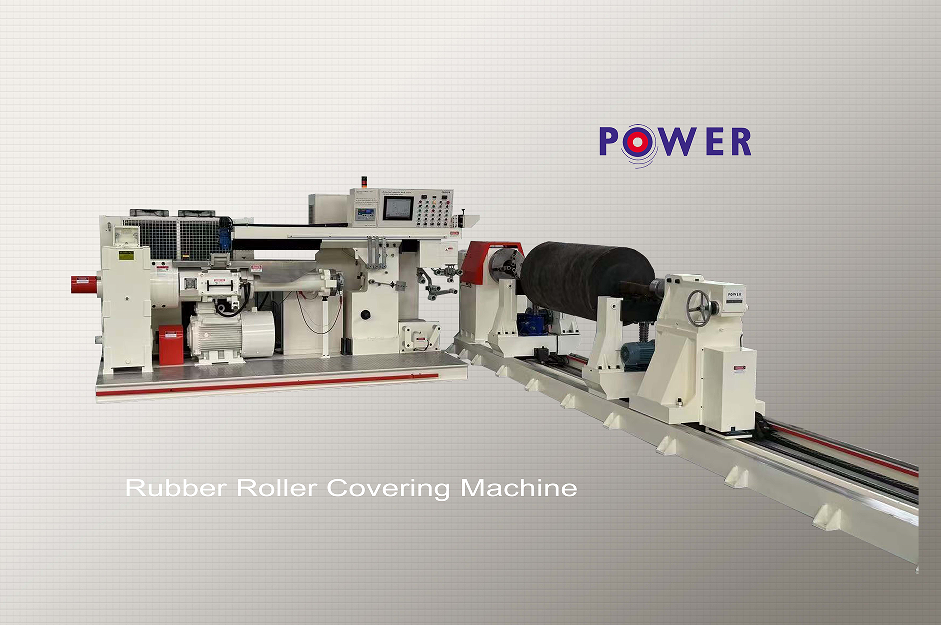
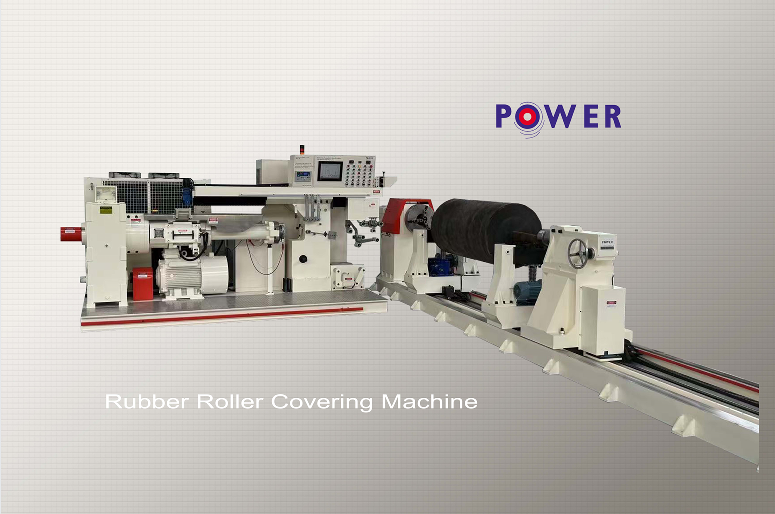
Rubber roller covering machines are critical in the production of industrial rollers used in printing, laminating, textiles, and paper processing. These machines apply rubber or polyurethane compounds onto metal cores with precision. Proper maintenance not only extends equipment life but also ensures consistent product quality and reduces costly downtime. This guide outlines essential daily, weekly, monthly, carbon fiber roller rubber roller,and annual maintenance procedures.
1. Daily Maintenance (Every Shift)
Routine daily checks take only a few minutes but prevent most unexpected failures.
· Clean the Machine Thoroughly – Rubber dust, uncured compound residue, and release agents accumulate on guides, rubber roll manufacturers,rollers, and the wrapping head. Use a soft brush and non-flammable solvent recommended by the machine manufacturer. Never use sharp metal tools that could scratch precision surfaces.
· Inspect the Wrapping Head and Feed System – Check for worn or stuck feed rollers, uneven gaps, or foreign material. Ensure the rubber strip feeds smoothly without slipping or skewing.
· Check Hydraulic and Pneumatic Systems – Look for oil leaks from hoses, fittings, or cylinders. Listen for air leaks around pneumatic valves and actuators. Monitor pressure gauges – fluctuations may indicate worn seals or clogged filters.
· Examine the Drive Rollers and Mandrel Support – Wipe off any rubber residue on drive rollers. Verify that tailstock and headstock centers align properly. A misaligned mandrel causes uneven wrapping and bearing damage.
· Test Safety Devices – Operate emergency stops, light curtains, and interlock switches to confirm they function instantly. Never bypass these systems.
· Lubricate According to Schedule – Apply recommended grease to linear guides, ball screws, and roller bearings. Over-lubrication attracts dirt – follow manufacturer quantity guidelines.
2. Weekly Maintenance
Spend additional time on tasks that require the machine to be powered down and locked out.
· Inspect All Belts and Chains – Check tension and wear on timing belts and drive chains. A loose belt can cause inconsistent wrapping pitch. Replace any cracked or glazed belts.
· Clean and Inspect Electrical Cabinets – Use compressed air (low pressure) to remove dust from control panels, variable frequency drives, and contactors. Dust buildup causes overheating. Tighten loose terminal screws.
· Check Heating Elements (if equipped) – Many rubber wrapping machines have pre-heaters for the rubber strip. Measure surface temperature with a contact pyrometer. Uneven heating causes poor adhesion. Clean heater shrouds of rubber vapors and debris.
· Verify Wrapping Pressure Calibration – Use a pressure gauge at the nip roller cylinder. Drift beyond ±5% of setpoint indicates a faulty regulator or leak.
· Inspect Mandrel Chuck and Tailstock Quill – Clean and inspect for scoring or wear. rubber covered roller.Damaged chucks allow mandrel wobble, producing eccentric rollers.
3. Monthly Maintenance
Monthly tasks require more disassembly but are vital for precision.
· Replace Hydraulic Oil Filters – Contaminated oil accounts for 70% of hydraulic failures. Change return-line and pressure-line filters even if indicator lights are not yet red. Take an oil sample for lab analysis annually.
· Check Wrap Pitch Accuracy – Run a test wrap on a scrap mandrel. Measure the distance between adjacent rubber strip edges. Deviation beyond tolerance means the computer controller or encoder needs recalibration.
· Lubricate the Main Leadscrew – The leadscrew that moves the wrapping carriage must be cleaned with solvent and re-greased monthly. Old grease mixed with rubber dust becomes abrasive.
· Inspect All Hoses and Tubes – Look for cracking, abrasion, or bulging on hydraulic hoses. Replace any showing fabric reinforcement. Check pneumatic tubing for brittleness.
· Clean and Calibrate Sensors – Photoelectric and proximity sensors used for strip end detection and position feedback can accumulate rubber film. Clean lenses with isopropyl alcohol. Verify switching distance with a feeler gauge.
4. Quarterly/Annual Maintenance
These major services should be performed by a trained technician or with manufacturer support.
· Replace Worn Bearings – Listen for grinding or rumbling noises from roller shafts. Premature bearing failure often results from misalignment or insufficient lubrication.
· Check Spindle Runout – Mount a dial indicator on the headstock spindle and mandrel. Runout exceeding 0.05mm (0.002”) causes uneven rubber thickness. Adjust or replace spindle bearings.
· Re-calibrate Torque and Tension Controllers – The machine’s ability to maintain constant tension on the rubber strip directly affects roller hardness. Use a certified tension meter.
· Inspect Rubber Feed Gearbox – Drain gear oil, flush, and refill with correct viscosity. Inspect gears for pitting or wear.
· Update Software Backups – Export parameters such as wrapping pitch, pressure curves, and acceleration profiles. A control failure without a backup can take days to recreate settings.
5. Common Mistakes to Avoid
· Using wrong solvents – Acetone or aggressive thinners attack rubber residues but also damage polyurethane seals and painted surfaces. Always use manufacturer-approved cleaners.
· Ignoring small leaks – A tiny hydraulic leak loses little oil but draws dust that turns into lapping paste, ruining rod seals.
· Over-tightening belts – Excessive tension overloads bearings and causes premature motor failure.
· Skipping warm-up – Hydraulic oil needs to reach operating temperature before high-speed wrapping. Cold oil starves pumps.
6. Troubleshooting Quick Guide
Symptom Likely Cause Recommended Action
Uneven wrap pitch Worn encoder coupling or loose belt Inspect encoder mounting; tension drive belt
Rubber strip tears Worn feed roller or excessive tension Replace feed roller; re-calibrate tension controller
Mandrel vibration Bent mandrel or worn tailstock center Dial-indicator check mandrel; replace center
Hydraulic overheating Clogged cooler or low oil level Clean cooler fins; top up oil
7. Spare Parts Inventory
Keep these critical spares on hand: (1) Feed roller assembly; (2) Heater band; (3) Hydraulic pump shaft seal kit; (4) Proximity sensors; (5) Drive belts; (6) Air filter elements.
8. Training and Documentation
No maintenance program succeeds without operator training. Every shift should complete a simple checklist. Keep a logbook of all repairs,roller shell from china manufacturer, lubricants used, and calibration dates. Review machine manuals annually – manufacturers release technical bulletins with improved procedures.
Conclusion
A rubber roller covering machine operating in a typical production environment requires about 45 minutes of daily cleaning and inspection, plus 2–3 hours of weekly preventive maintenance. This investment yields higher uptime, consistent rubber roller geometry, and avoidance of catastrophic failures such as spindle bearing seizure or hydraulic pump burnout. Remember: maintenance is not an expense – it is a profit center disguised as a procedure.
Post time: May-14-2026